
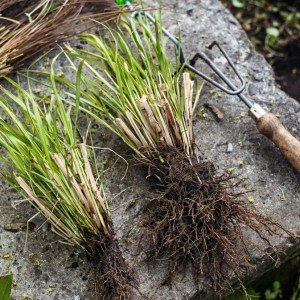
Dividing plants is a smart way to breathe new life into your garden while also expanding it. If your plants look tired or overcrowded, division can help. It’s an easy solution for common gardening issues. But remember, not all plants can be divided in the fall. In general, perennials that bloom in the fall should be divided in spring. This timing helps them recover before winter.
For instance, perennials like aster, some ornamental grasses, and bearded iris should be divided in spring. Fall division can stress these plants, leaving them vulnerable to die-offs. By spring, they have time to grow strong roots before winter’s chill.
Key Perennials for Division
Aster
Asters are beautiful fall bloomers. They offer star-shaped flowers in shades of purple. If your aster looks leggy or sparse, it’s time to divide. Spring is when this should happen, right as they wake from dormancy.
Japanese Sedge
This evergreen grass thrives in zones 5-9. It’s best to divide Japanese sedge in the spring to avoid damaging it. Dividing during fall could lead to winter survival issues due to its evergreen nature.
Chrysanthemums
These colorful fall favorites love the spring. Mums should be at least two years old before dividing. Doing so in fall can lead to faded blooms or dead plants.
Bee Balm
Known for attracting pollinators, bee balm loves the spring for division. It grows well in zones 4-9 and needs time to establish roots before winter.
Larkspur
Although you can divide larkspur in fall, it’s gentler to wait for spring. Keeping it well-watered the day before division can ease the process.
A Closer Look at Plant Culture
The timing of division matters more than you might think. A survey from the American Society of Landscape Architects shows that gardeners who divide in spring report better health and growth in their plants. This is particularly important for perennials like bearded iris and eulalia grass, which thrive when divided in warmer months.
Eulalia Grass
Also known as Chinese silver grass, it does best in spring, given its rhizome roots. By waiting until spring, you help guarantee a healthier plant.
Bearded Iris
Unlike many plants that thrive in spring or fall, the best time to divide bearded iris is in summer. Conditions are generally drier, reducing the risk of fungal diseases.
Balloon Flower
It’s usually advised to steer clear of dividing balloon flowers, but if you have a robust specimen, spring is your best bet. These plants are delicate due to their tap roots.
Jacob’s Ladder
For Jacob’s ladder, division every three to four years is key. This perennial thrives when divided in spring, allowing healthy root development before winter.
Maidenhair Fern
These elegant ferns thrive best in hardiness zones 3 to 11. Spring division is ideal, preparing them well for the upcoming cold.
Toad Lily
Toad lilies are not only hardy but also respond positively to division in spring. They bloom beautifully in late summer and early fall, making the timing of division crucial.
Gardening is both an art and a science. Understanding your plants and their needs can help you create a vibrant garden. For more expert insights on gardening, including when and how to divide different perennials, check out resources from the American Society of Landscape Architects.
Source link
hardiness zones, ornamental grass, bearded iris, Japanese sedge, ornamental grasses
