
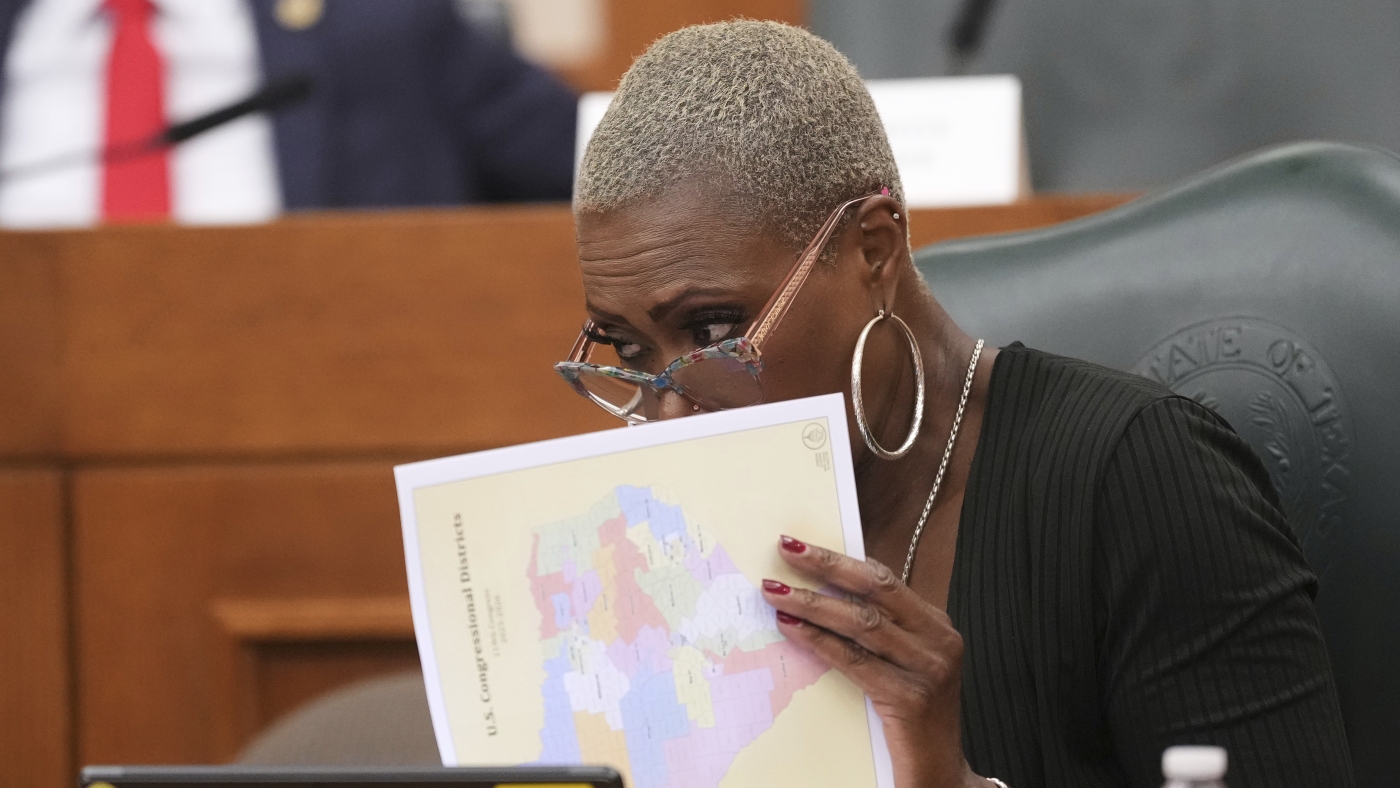
Texas is buzzing about a new redistricting map proposed by the Republican Party in the state House of Representatives. Their goal? To possibly add five more Republican seats in Congress, which aligns with President Trump’s wishes. This map could significantly impact the political landscape ahead of the midterms.
Governor Greg Abbott has pushed for this redistricting as part of a special session, citing concerns from Trump’s Department of Justice about certain districts potentially being unconstitutional. However, Republicans appear to have a broader agenda to reshape districts to serve their partisan interests.
Recent data from analyst Dave Wasserman at the Cook Political Report indicates that this new proposal could tilt the balance even further, potentially creating 30 districts favoring Republicans and only 8 for Democrats. Right now, Republicans hold 25 seats in Texas.
The stakes are high. New district lines help determine which party takes charge in the U.S. House, especially as we get closer to the elections. It’s not just a Texas issue either; Democrats are considering similar moves in states like California and New York. But they may face tougher legal challenges there, complicating their plans.
Public reaction has been mixed. Social media is flooded with discussions about the implications of gerrymandering, with some expressing frustration and others supporting the changes.
It’s a dynamic situation. The proposed map could still change during the special session, and lawmakers may unveil additional options. As we watch these developments unfold, it’s clear that the fight over district lines is just heating up.
For further insights on redistricting and its implications, check out this report from the National League of Cities.
