
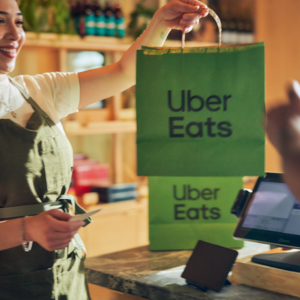
Uber Eats is rolling out some exciting new features aimed at enhancing the experience for both restaurants and users. One of the most interesting additions is AI-enhanced food images. This technology aims to fill in photos of dishes, making them look more appealing. The idea is that by transforming close-up images into wider shots, diners will have a better understanding of the food they’re ordering.
However, the effectiveness of this tool is still under scrutiny. For instance, can the AI accurately create parts of an image that weren’t captured? We’ll have to see how well these enhancements hold up in real-life settings.
The menu descriptions are also getting a makeover with AI. This should help ensure that what you read about a dish matches what you receive. It’s about building trust so customers feel confident in their choices. Additionally, Uber Eats plans to summarize restaurant reviews. This could help users pinpoint a restaurant’s strengths and areas for improvement, all while helping restaurants receive constructive feedback.
In another move to engage customers, Uber is inviting users to send in photos of delivery items that lack images on the app. This initiative applies to users in the U.S., Canada, Mexico, and the U.K. For each photo submitted, customers can earn $3 in Uber Cash. This kind of crowdsourced content could offer a real glimpse into menu items, enriching the overall experience.
Another noteworthy feature is the “live order chat.” This allows restaurant owners to talk to customers right after an order is placed. Experts in digital marketing believe that this could enhance customer service and drive repeat business.
Recent studies indicate that customer engagement is a key factor in retaining users on food delivery platforms. A survey by Statista found that 64% of consumers are more likely to order from a restaurant if they can easily communicate with it. This chat feature may just be a win-win for both sides.
While these innovations sound promising, it’s important to keep a pulse on user reactions. On social media, many users express curiosity about the potential for better food visuals and menu transparency. Others, however, remain skeptic about the reliability of AI in representing food accurately.
In conclusion, Uber Eats is taking notable steps to improve the ordering experience. By utilizing AI for images and menu descriptions, along with user-generated content and real-time communication, they’re aiming to create a more transparent and engaging platform. Whether these features deliver on their promises will be interesting to watch as they roll out.
Source link
Uber Eats
