
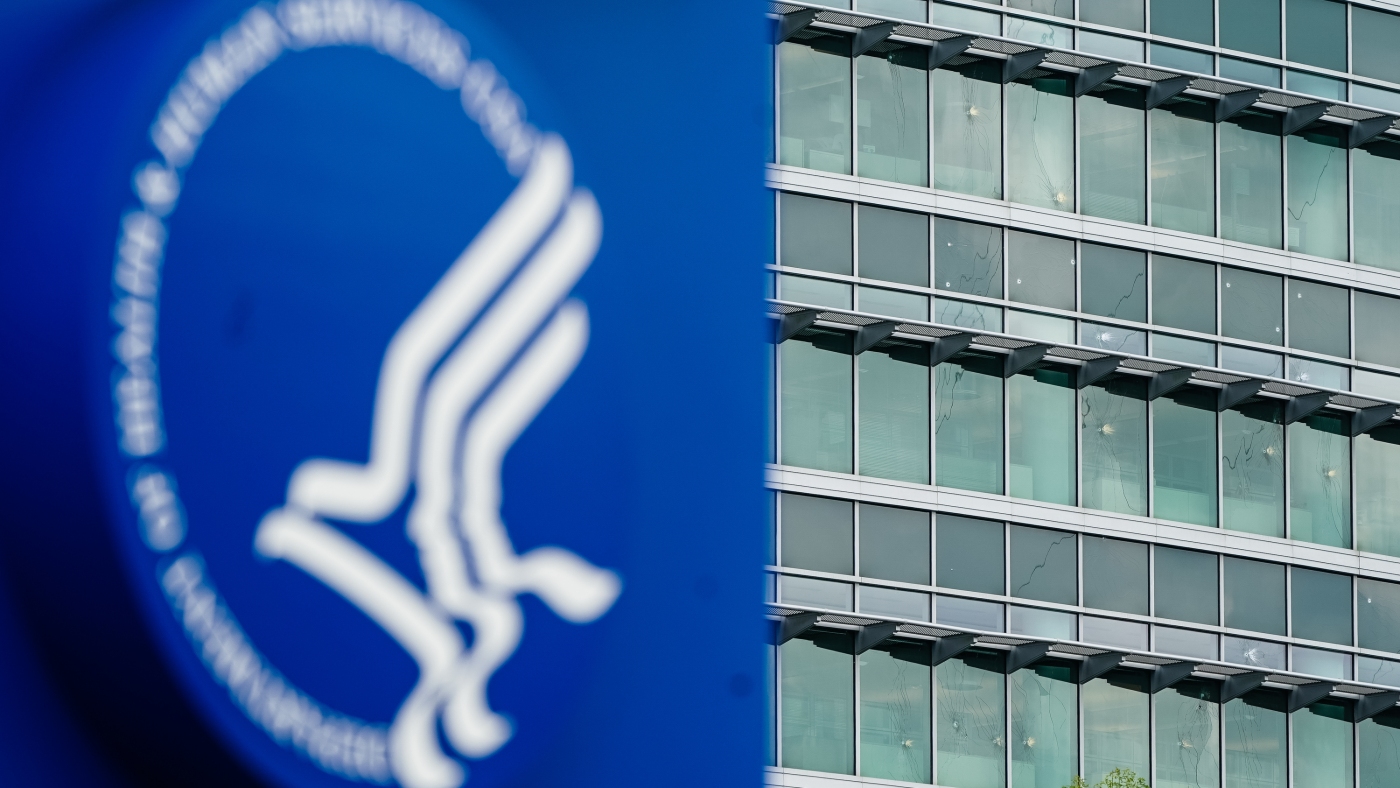
In the wake of the tragic shooting at the Centers for Disease Control and Prevention (CDC) in Atlanta on August 8, there are urgent calls for support from health officials. This incident left one police officer dead and raised serious concerns about safety among CDC employees.
Hundreds of current and former officials from the Department of Health and Human Services (HHS) signed a letter directed at Secretary Robert F. Kennedy Jr. They blame him for undermining the CDC’s credibility. They argue that his comments about COVID vaccines and public health practices have contributed to hostility and violence against health workers.
The shooting occurred when a gunman fired over 500 rounds into the CDC’s headquarters. Law enforcement believes the shooter was angry about vaccinations and thought they had harmed him. Interviews with family members revealed his acrimony toward public health policies and misinformation surrounding COVID-19.
Dr. Fiona Havers, a former CDC official, emphasized the gravity of the situation, stating, “This is a major event.” She believes public health workers deserve better support, especially now. Dr. Elizabeth Soda, an infectious diseases physician who narrowly escaped the shooting, noted the stark reality of seeing her workplace in such turmoil, stating, “I never dreamed I’d see bullet holes.”
Experts highlight that misinformation about vaccines and the politicization of health issues have led to increased aggression towards public health workers. Dr. Havers pointed out that inflammatory rhetoric from the HHS Secretary has legitimized this violence. Recent studies back up these concerns; a survey by the Kaiser Family Foundation found that 60% of healthcare workers have faced threats due to vaccine misinformation.
Following the incident, Secretary Kennedy visited the CDC but has been criticized for his lack of acknowledgment of the misinformation that may have incited the shooting. He stated, “No one should face violence while working to protect the health of others,” yet many feel his response fell short of addressing the root causes of the attack.
The group of signatories is urged Kennedy to stop spreading false information and to affirm the CDC’s role in protecting public health. They expect a response by September 2.
This tragic event serves as a stark reminder of the challenges public health professionals face today. With rising tensions related to misinformation, it’s crucial to engage in open dialogue and support scientists dedicated to public health.
Source link
