
The Jacksonville City Council Finance Committee has decided to reinstate funds for two key public health initiatives aimed at helping the uninsured. This move came after public outcry from healthcare providers, local doctors, nonprofit clinics, and city lawmakers.
At a final budget hearing, the committee voted to restore $1.5 million for Healthlink Jax, a city-funded telehealth program, and $270,000 for six safety net clinics associated with the JaxCareConnect program. This decision follows a public meeting where leaders from various health organizations advocated for maintaining funding levels.
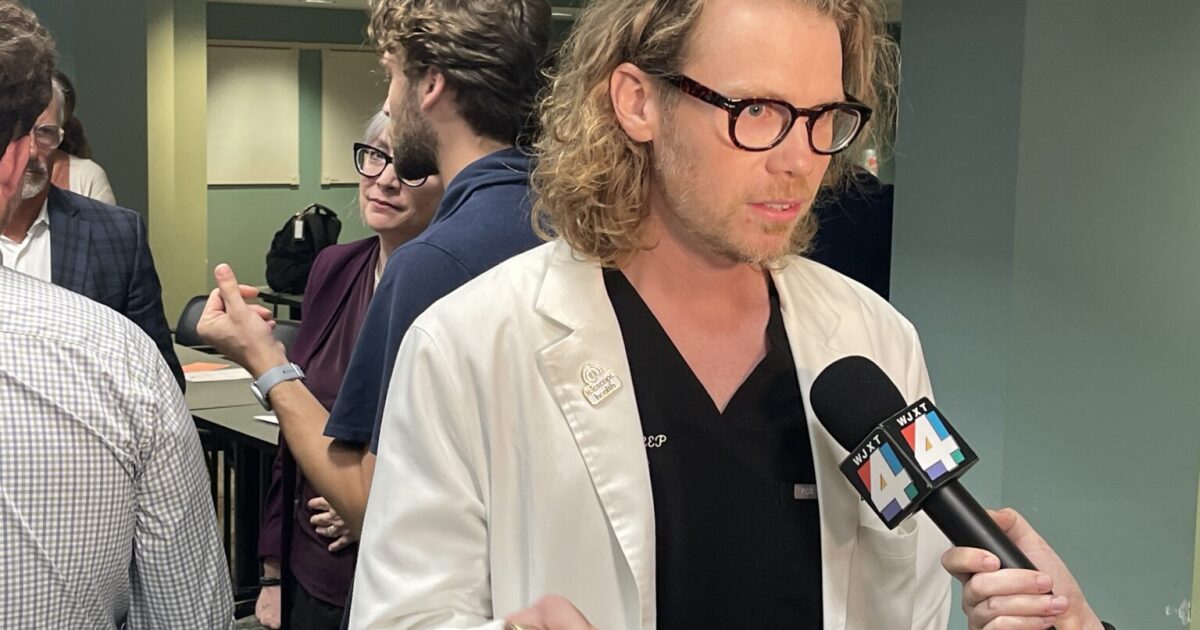
Healthlink Jax is making waves by diverting patients from emergency rooms. Dr. Matthew Thompson, CEO of Telescope Health, the program’s partner, highlighted that this funding is crucial to keeping it operational. He noted that the initiative not only saves costs for UF Health, the primary provider for uninsured individuals, but also effectively reduces emergency room visits.
The city plans to allocate about $56 million for indigent care this year, a number that has been steadily rising. Dr. Thompson mentioned that the actual cost for UF Health is approximately $64 million, stressing the need to keep expenses down through programs like Healthlink Jax.
Before reversing its initial cuts, the finance committee had aimed to reduce about $3.77 million in public health spending to facilitate a property tax cut. However, local leaders believe reducing health spending could lead to higher indirect costs down the line.
City Council member Michael Boylan emphasized the interconnectedness of Healthlink Jax and JaxCareConnect. He pointed out that Healthlink’s efficiency is causing clinics to reach capacity as they refer patients who are unable to be accommodated. This situation raises concerns about the future availability of care for those in need.
The JaxCareConnect program helps uninsured residents access primary care, addressing issues like transportation and health literacy. Angela Strain, the program’s executive director, revealed they experienced a significant 120% year-over-year increase in referrals, partly due to new legislative requirements.
Despite the funding restorations, some proposals, like a dental care initiative and additional funds for addressing infant mortality, did not gain support.
Healthcare experts praise the efficiency of both programs, with JaxCareConnect reportedly saving taxpayers around $157.5 million by reducing unnecessary ER visits over its lifetime. The program has generated thousands of referrals throughout Duval County, benefiting residents from all areas.
Public sentiment is also reflective, with individuals like Jenica Ervin sharing personal stories of how these health services have prevented overwhelming medical debt and aided their community.
Economist perspectives also suggest a link between community health and economic vitality. Matt Carlucci stated that a healthy population improves the overall quality of life in Jacksonville, enhancing the city’s attractiveness for business growth.
The debate continues as community leaders and medical professionals push for stable funding in public health initiatives, highlighting their long-term benefits for both individuals and the healthcare system as a whole. For more insights on public health funding impacts, visit Jacksonville Today.
