
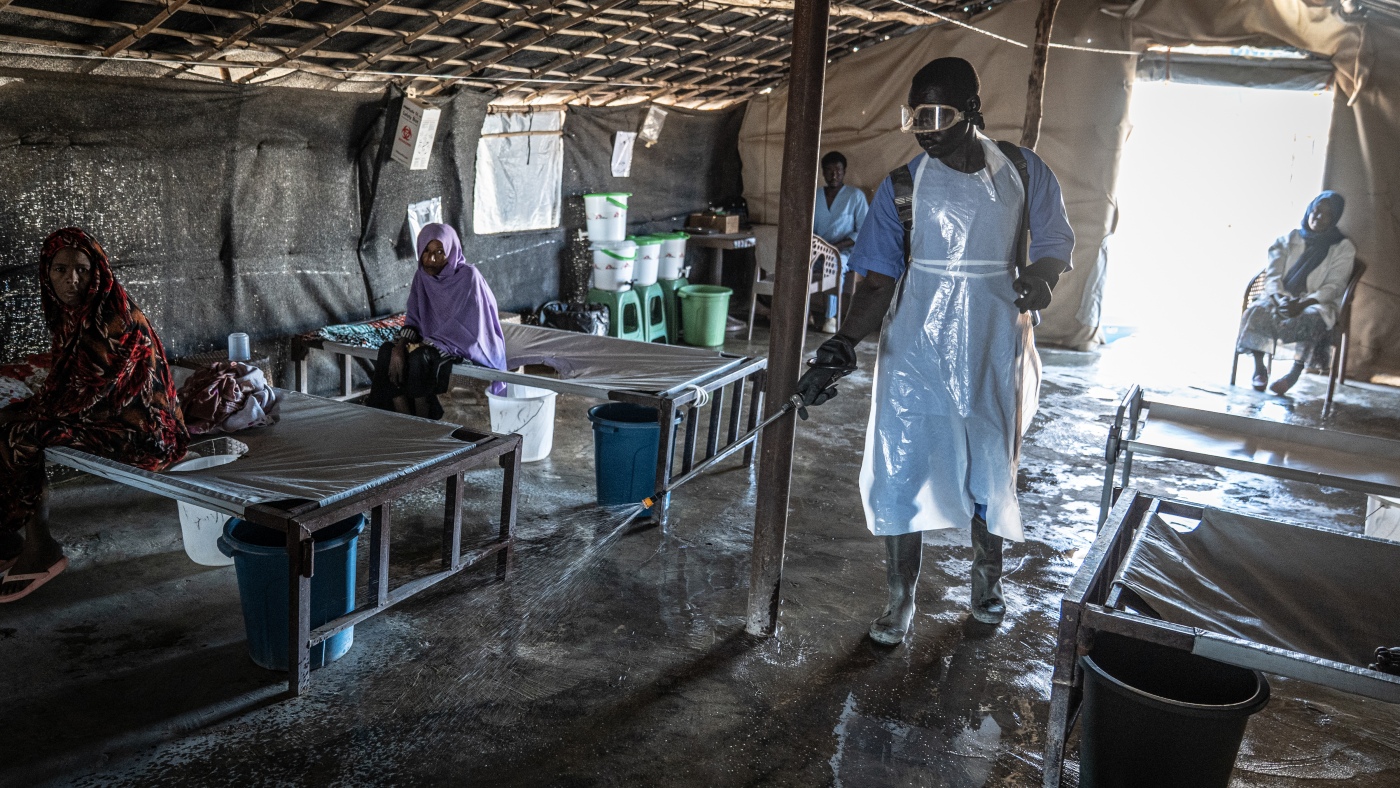
Cholera: An Ongoing Crisis
Cholera is making a troubling comeback in Africa. In just three years, the number of cases has doubled. This year alone, over 230,000 cases and nearly 5,000 deaths have been reported across 23 countries, compared to just 15 countries in 2022. Yap Boum from the Africa CDC stresses that immediate action is necessary.
Cholera spreads quickly through contaminated water and food. It can be deadly if not treated promptly, often causing death within hours.
Recently, African leaders gathered in Lusaka, Zambia, to launch an emergency response plan to tackle this infection. The new strategy, a collaboration between the Africa CDC and the World Health Organization, aims to combat cholera in light of the deteriorating conditions worsened by conflict and poverty.
Currently, Africa holds the brunt of the cholera crisis, representing 82% of global cases and 94% of deaths related to the disease. For context, the World Health Organization estimates there are between 1.3 million and 4 million cases worldwide annually. Politically unstable regions often face the worst outbreaks, as wars and natural disasters compromise water infrastructure. For instance, Yemen is currently experiencing the worst cholera outbreak in history, with over 2.5 million cases due to its ongoing civil war.
Insights from Experts
Daniele Lantagne, a professor at Tufts University, highlights that in war zones, the breakdown of sanitation systems turns water supplies into vehicles for disease. Access to clean water isn’t just a health issue; it’s a broader societal concern. Boum explains that the emergency plan includes appointing a presidential task force to ensure multi-ministry cooperation, emphasizing the urgency of addressing clean water access.
Dr. David Sack from Johns Hopkins notes that cholera has been around since ancient times. It originated in India and spread globally in the 19th century. Back then, the disease was shrouded in mystery, with various misconceptions about its cause. Not until John Snow’s groundbreaking work in the 1850s was the true link between contaminated water and cholera made clear.
The Rapid Threat of Cholera
Cholera is notorious for its speed. Patients can rapidly become dehydrated, sometimes within hours. If treated swiftly, the death rate drops below 1%, with treatment mainly involving rehydration solutions. However, the disease is more common in crises where water availability is compromised.
The good news is that cholera is treatable and preventable. Vaccination plays a crucial role in this. Recent data shows a significant increase in cholera vaccine usage, from 1.5 million doses between 1997 and 2012 to 35 million doses in 2023. However, vaccination efforts still face challenges, particularly in conflict zones.
Takeaway
Addressing cholera is not solely a health fix; it’s about ensuring clean water access, building resilient systems, and fostering peace. Without these, the shadow of cholera will continue to loom large.
