
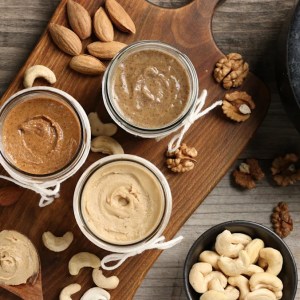
Despite the wide variety of nut butters available, many people find it tough to move away from peanut butter. It holds a special place in our hearts and is packed with protein and healthy fats. However, if you’re looking to increase your fiber intake, almond butter might be worth a try.
While both peanut and almond butter are similar in protein and calorie content, almond butter edges ahead in fiber. A typical serving of almond butter (about two tablespoons) contains around 3.3 grams of fiber—double what peanut butter offers. Fiber plays a crucial role in digestion and can help regulate blood sugar, making it a nutrient that deserves more attention.
Beyond fiber, almond butter boasts more vitamins and minerals than peanut butter, including vitamin E, copper, and magnesium. Its rich, nutty flavor adds depth to dishes, making it a versatile condiment. Smear it on toast, blend it into salad dressings, or use it in smoothies for an extra boost.
The culinary uses of almond butter are endless. It can elevate breakfast staples like oatmeal or pancakes, turning them into something special. Its creamy texture lends itself well to desserts, too. You can substitute it in cookie recipes or incorporate it into fudges and cakes for added depth.
Many almond butter brands focus on natural ingredients, offering unsweetened versions that are perfect for savory dishes. Whether used in stir-fries or as a base for sauces, almond butter’s flavor enhances many recipes.
A survey by the International Nut and Dried Fruit Council found that nut consumption increased by 25% in recent years, driven by health-conscious consumers. So, if you’re looking to expand your palate or introduce more nutrients into your diet, almond butter is a delicious choice.
If you want to explore more about the health benefits of different nut butters, check out the original article on Tasting Table.
Source link
peanut butter, almond butter, nut butter, cashew butter
