
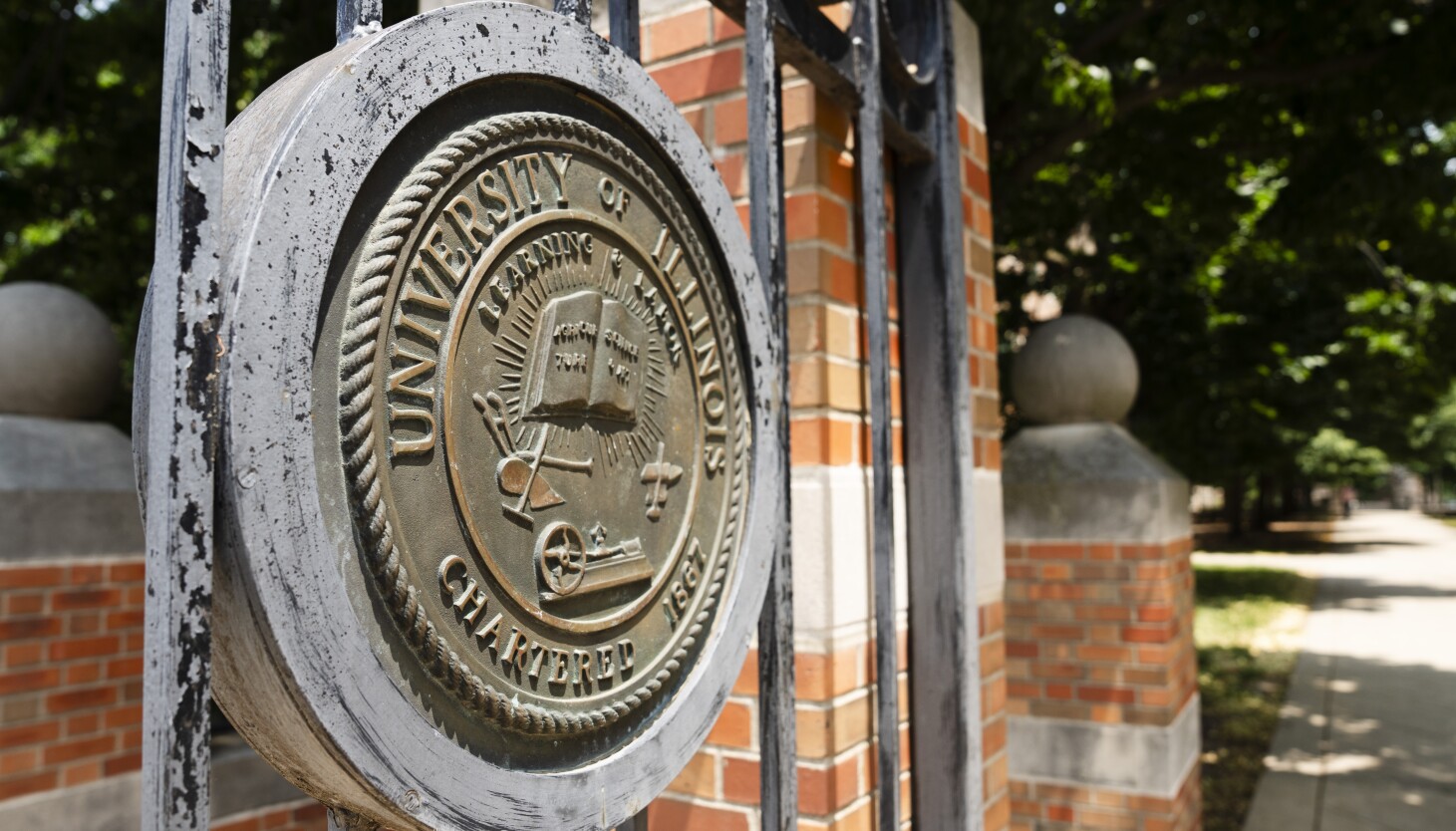
The University of Illinois system is hiring Risepoint, a for-profit company, to recruit students for their online programs. This arrangement has drawn criticism because it raises questions about the motivations behind recruitment. If admissions offices engaged in similar practices, they would face legal issues.
Critics, including U.S. senators and consumer advocates, argue that paying Risepoint for each student it enrolls may lead to aggressive recruiting tactics. Instead of focusing on the right educational fit for prospective students, the company could prioritize enrolling as many students as possible. Stephanie Hall, a researcher on for-profit colleges, emphasizes that this model encourages recruiters to exaggerate benefits, turning what should be academic guidance into sales pitches.
Contracts reveal that universities allow Risepoint to use their names, logos, and websites to attract students. This is concerning because students may think they are interacting with university staff, not salespeople. Hall points out that this lack of transparency doesn’t serve the students well.
In defense, university officials argue that Risepoint can reach different demographics than their traditional in-person programs. However, Hall and advocacy groups are pressing for investigations into these contracts. They highlight that such arrangements can lead to exploitative practices, especially towards marginalized communities.
A deeper look into online education’s demographics shows disparities. Research from The Century Foundation indicates that a higher percentage of Black and Latino students enroll in online programs compared to their white counterparts. However, students in online programs often face more challenges, such as lower completion rates and increased debt.
Historically, paying recruiters based on student enrollment was banned in 1992 to prevent abuses in financial aid. Yet, this rule was relaxed, giving rise to practices that some fear resemble predatory methods in the for-profit education sector.
Moving forward, states like Minnesota have begun regulating these practices by banning such payment structures and requiring transparency about third-party involvement in the recruitment process. Advocates hope Illinois will follow suit to protect students. Everyone deserves clarity about their educational journey, including who is responsible for their curriculum and job outcomes after graduation.
For further information, you can refer to reports from The Century Foundation and the Government Accountability Office for more on these issues.
