
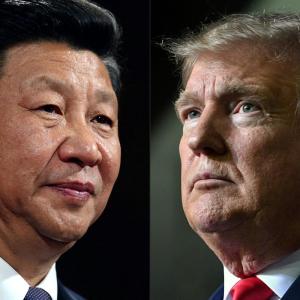
The trade tensions between the U.S. and China are heating up again, primarily due to the U.S. imposing tighter controls on rare earths exports. These materials are crucial for many modern technologies, including smartphones and electric vehicles.
President Trump initially suggested a hefty 100% tariff on certain imports from China, which raises eyebrows since China processes about 90% of the world’s rare earth materials. However, Trump hinted at even stronger actions if necessary, stating he hasn’t yet used America’s strong market position.
While he has since softened his stance, experts believe his tariffs may not be a long-term solution. Wall Street seems to perceive these threats as tactics to gain negotiation leverage. Meanwhile, plans for a meeting between Trump and Chinese President Xi Jinping are still on the agenda, showing some efforts to continue dialogue.
China’s restrictions on its rare earth exports have surprised many. Some analysts argue that this move could hinder countries’ abilities to access essential technologies. A report from Capital Economics indicates that while China’s policy seems strong, it might be narrower than it first appears. The authors suggest that China is trying to strengthen its position but risks backlash if things don’t go as planned.
The U.S. has several options for retaliation that could impact China’s economy. For instance, it could restrict exports of vital aircraft components. With about 90% of laptops in China running on Microsoft’s Windows, the U.S. could also pressure Microsoft to stop updates or sales in China, leading to significant security issues over time.
Experts point out that while there are domestic alternatives available in China, the transition could hurt the global competitiveness of Chinese tech brands. Furthermore, approximately 70% of chip design software used in advanced manufacturing in China comes from Western firms, making this a critical area.
In addition, Trump could impose sanctions on Chinese companies, restricting access to global finance and payment systems. As Mexico considers implementing tariffs on certain Chinese products, the landscape of international trade may shift further, isolating China from advanced economies.
The complex web of these trade tensions underlines a broader theme: the ongoing struggle for technological supremacy and market dominance between the U.S. and China. As both nations navigate these issues, the stakes continue to rise.
For more detailed insights, check out Fortune’s analysis of this situation here.
Source link
Donald Trump, China, Capital Economics, Beijing, The Trump, rare earth magnets, export controls, software restrictions, Evans-Pritchard
