
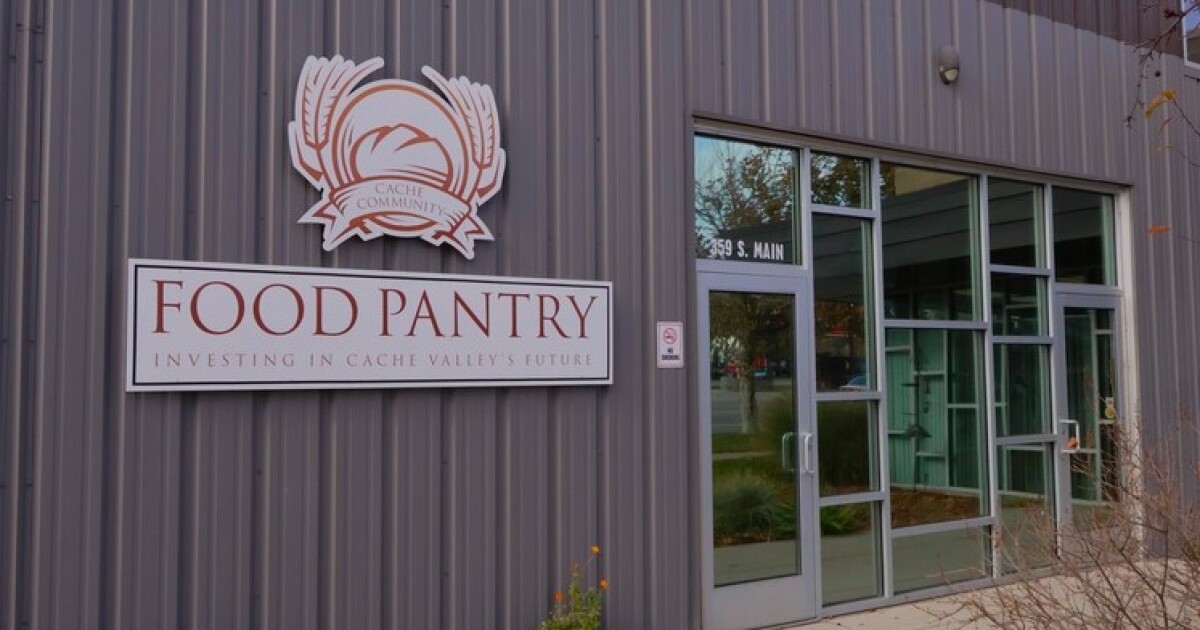
Nearly 170,000 people in Utah rely on federal food assistance each month. But with the ongoing government shutdown, these crucial benefits might soon vanish. Local food pantries, such as the Cache Community Food Pantry, are preparing for the impact.
Matt Whitaker, Director of the Cache Community Food Pantry, hasn’t seen a surge of new clients yet, but he knows it’s coming. “If the shutdown continues past November 1, food stamps won’t be available,” he explains. The pantry currently serves about 1,600 families each month, allowing each family two visits. They also support eight senior centers and various local nonprofits.
While Cache Valley’s pantry doesn’t depend heavily on federal aid, the broader effects of a shutdown will still stress local resources. Federal nutrition programs, like the Supplemental Nutrition Assistance Program (SNAP), are funded month-to-month. If the shutdown goes on for too long, the USDA won’t be able to send funds to states, leaving many Utahns without food assistance.
Whitaker is already seeing some families affected by the shutdown. He expected this to happen weeks into the closure. Luckily, as the holiday season approaches, local donations typically rise. Whitaker noted, “When things get tough, our community often comes together.” He recalls how they managed to collect more food during COVID-19 and even during the 2008 recession.
To prepare for rising needs, Whitaker is calling for donations of both food and money. If donations fall short, the pantry may need to cut back on what they distribute. “We might have to limit how much we can give away,” he says. The pantry always needs basic items like canned vegetables and peanut butter, but they also seek jam, canned fruit, cereal, and baking supplies. Hygiene products and warm clothing are also welcome.
Despite uncertainties, Whitaker remains optimistic. He emphasizes the importance of community support: “We couldn’t do this without our donors—individuals, businesses, grocery stores. Thank you all for your help.”
In recent surveys, 86% of food pantries reported increasing demand, with many expecting it to grow as economic conditions worsen. These trends highlight a growing need for food assistance as many face financial hardships. Solutions will require collaboration between local businesses and community members to ensure everyone has access to essential food resources.
Source link
