
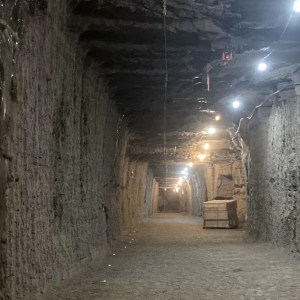
Scientists have made an alarming discovery in the Arctic. In Alaska, at the Permafrost Tunnel Research Facility, they found ancient microbes preserved for tens of thousands of years. This research site is about 350 feet long and 50 feet underground.
Researchers from the University of Colorado Boulder extracted permafrost and found these microbes “reawakened.” This could pose serious environmental risks, as reported by Discover Wildlife. Their findings were shared in a scientific journal called JGR Biogeosciences.
What’s Occurring?
Microbes have been trapped in Arctic permafrost since the last ice age. Due to rising global temperatures, this permafrost is melting faster than ever before. In just months, large sections are thawing.
To study these microbes, scientists took samples from the permafrost and kept them at warmer temperatures. Initially, the growth was slow, but after six months, colonies began to form. A slimy layer called biofilm appeared, helping these microbes thrive again.
Lead scientist Tristan Caro explained that these microbes aren’t dead—they can actively break down organic matter and release carbon dioxide.
Why Does It Matter?
The melting of permafrost is concerning because it releases microbes that could emit harmful gases, which contribute to global warming. Permafrost contains about 1.5 trillion metric tons of carbon that has been frozen for millennia. If released, this could significantly impact our atmosphere, affecting weather patterns, sea levels, and agriculture.
Additionally, there are fears that ancient viruses could be reawakened as well.
What Is Being Done?
The rapid melting of permafrost highlights the urgent need for research and funding. Understanding these ancient microbes is crucial. More studies can help us grasp the implications of thawing permafrost.
On a personal level, you can support this research through educated discussions and spreading awareness. Engaging with your community about these findings can promote understanding of this critical issue.
Understanding our planet’s changes is vital, and remaining informed is the first step to making a difference. For deeper insights on climate change, check out recent studies from organizations like the National Oceanic and Atmospheric Administration (NOAA) NOAA Climate Change Resources.
By staying aware, we can better prepare for the changes to come.
Source link
Arctic sea ice, Arctic permafrost, tens of thousands, global temperatures, organisms, University of Colorado Boulder
