
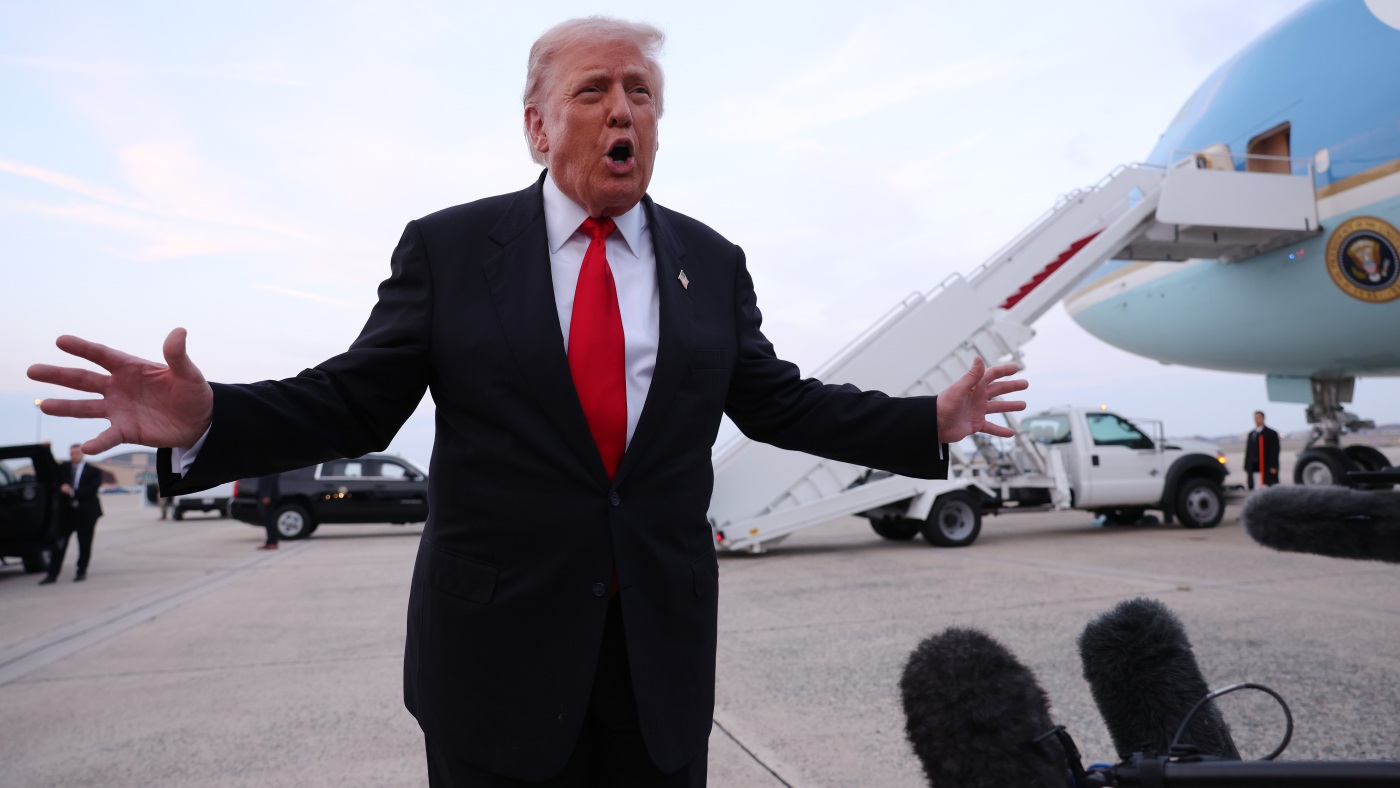
President Trump is unhappy with U.S. air traffic controllers who took time off during the government shutdown. They had been working without pay. In a recent post on Truth Social, he expressed his dissatisfaction. He demanded that all controllers return to work immediately and warned that anyone who didn’t would face pay cuts.
The situation has been tough for these controllers. Before the shutdown, the Federal Aviation Administration (FAA) was already facing a shortage of staff. This crisis got worse as many controllers missed paychecks. Some have turned to second jobs, while others have called in sick.
The National Air Traffic Controllers Association highlighted the stress of their jobs. They’ve been working without pay for over 40 days, often putting in six-day weeks of long hours. They describe their work as one of the most demanding in the country.
In contrast, Trump praised controllers who showed up during the shutdown and suggested giving them $10,000 bonuses. He added that if any controller wanted to quit, they would not get severance pay but would quickly be replaced.
Critics of Trump’s comments pointed out the difficulties faced by air traffic controllers, especially given the administration’s treatment of them. Transportation Secretary Sean Duffy also commended the dedication of those who worked through the shutdown and said he would seek a reward for them.
Last week, the FAA announced that it would reduce flights by up to 10% at many busy airports. This change led to major travel disruptions over the weekend, with over 4,500 flight cancellations and about 18,000 delays across the U.S., according to flight tracking service FlightAware.
Travelers shared their frustrations as well. Many, like Phill Hicks from Philadelphia, faced canceled flights and uncertainty. He expressed disbelief about the reliability of his new ticket but was determined to take the trip regardless.
The air traffic controller shortage isn’t just a recent issue; it’s a problem that’s been growing for years. In fact, it can take 2-4 years to train a new controller, making this shortage a difficult problem to solve quickly.
As these events unfold, it’s clear that the challenges faced by air traffic controllers and travelers are reflective of larger systemic issues within the aviation industry. For more information on the FAA’s operational changes and their impacts, visit the FAA’s official page here.
