
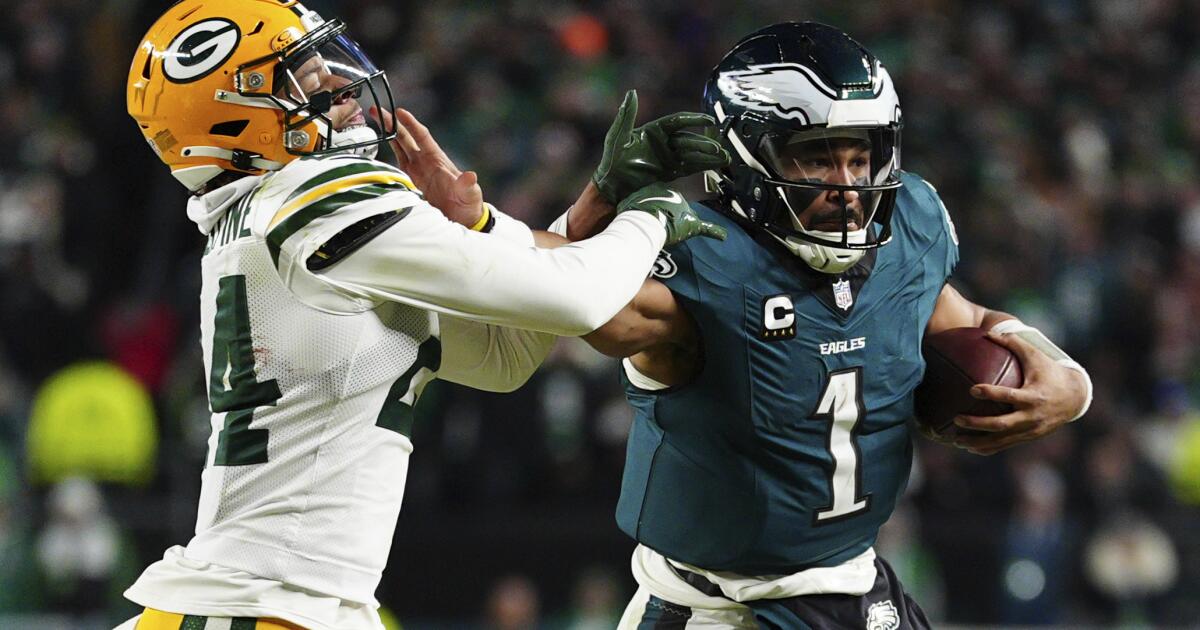
ESPN football is back on YouTube TV! After a tense negotiation with Disney, they reached a new deal, ending a blackout that lasted nearly two weeks. This agreement means that YouTube TV’s 10 million users can now access Disney channels and ABC station signals again.
The deal, which replaces the previous contract that ended on October 30, aims to benefit subscribers. YouTube expressed gratitude for their users’ patience during this disruption. Disney’s CFO had previously stated that the company was open to negotiations, showing a willingness to stand firm instead of backing down.
The new agreement highlights Disney’s commitment to providing quality entertainment. Disney chairman Jimmy Pitaro emphasized the need for flexibility in viewing options and acknowledged the value of their programming. Fans can expect to see their favorite shows and sports back on their screens shortly.
Disney’s full range of channels, including FX, National Geographic, and Freeform, will return. On top of that, users will also gain access to ESPN Unlimited without extra costs, plus bundles with Disney+ and Hulu.
This negotiation marked a significant moment in the ongoing tension between streaming services and traditional programming. Disney’s challenges stem from a need to maintain revenues amid a shift in viewing habits, where more people are cutting cords to traditional cable.
Interestingly, this dispute was more prolonged than last year’s 13-day standoff between Disney and DirecTV. The increasing costs are mainly due to high fees tied to broadcast rights for major sports leagues. ESPN famously tops the list as the most expensive cable channel, costing distributors about $10 per subscriber.
As traditional pay-TV numbers decline, distributors like YouTube TV face the challenge of managing costs while keeping subscribers satisfied. The price of YouTube TV has surged from $35 a month at its launch in 2017 to a current rate of $82.99. While users want diverse programming, they dislike rising bills.
Disney aims to transition towards more direct streaming options, focusing on services like Disney+ and Hulu. The company defends its pricing, claiming its high-quality content justifies the costs.
This situation isn’t unique to Disney and YouTube TV. Other major players, like Comcast and Fox, have voiced similar frustrations, underscoring a broader issue within the industry. It reveals the struggles of legacy programming models amid an evolving media landscape, where competition is fierce and viewer preferences are changing rapidly.
As viewers, it’s crucial to stay informed about these shifts, as they affect access to preferred channels and the costs of our favorite programming.
Source link
