
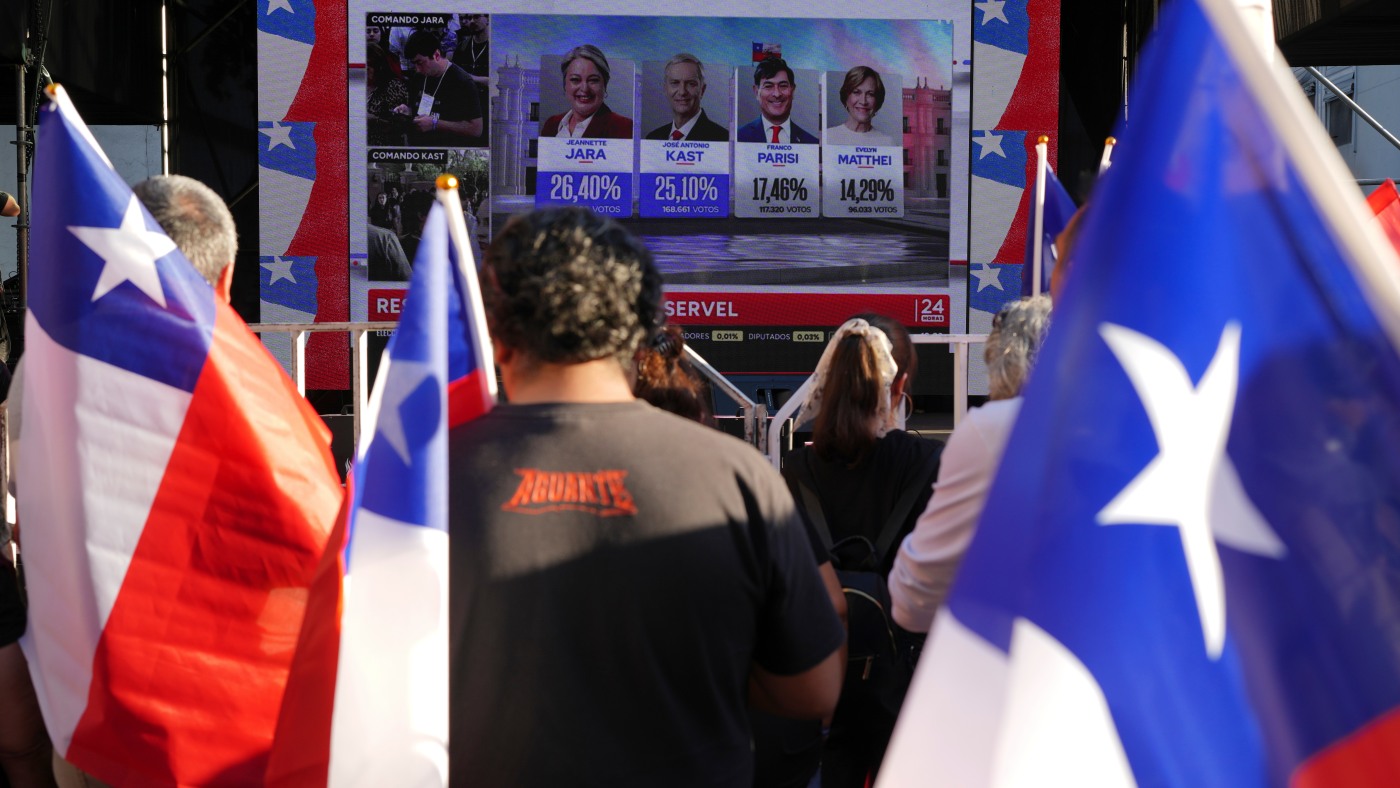
Santiago, Chile, is buzzing with anticipation as two very different presidential candidates gear up for a runoff next month. Jeannette Jara, a Communist Party member, and José Antonio Kast from the right-wing, face off on December 14. Their campaigns are marked by strong views on public safety, immigration, and crime.
Jara, 51, who previously served as labor minister, secured 27% of the initial votes. In her speech, she urged unity, reaching out to all voters, not just her supporters. She plans to introduce a monthly minimum income of $780 and offer financial help to workers and small businesses. “Difficult days are ahead, but I’m ready,” she said.
On the other hand, Kast, 59, is on his third run for the presidency. He aims to “change Chile from the roots” and sees the election as a choice between two societal models. His campaign heavily borrows from Donald Trump’s past strategies. He highlights plans to build border walls, enhance immigration control, and construct new high-security prisons, avoiding talk of more controversial social issues.
When early results were announced, Kast’s supporters celebrated loudly in an upscale Santiago district. Felipe Atenzo, a public employee, encapsulated the sentiment: “It’s an emergency regarding crime and immigration. Kast represents the values we need.” Kast even took safety precautions, speaking behind bulletproof glass, emphasizing the tense political climate.
Election statistics tell a compelling story. Far-right and right-wing candidates collectively garnered over 70% of the votes, indicating a significant shift in public sentiment, likely driven by dissatisfaction with President Boric’s current government. Political scientist Claudia Heiss from the Universidad de Chile noted a growing anti-establishment sentiment, fueling support for Kast and his far-right counterparts.
Interestingly, Johannes Kaiser, a libertarian YouTuber-turned-congressman, captured 14% of the vote. Franco Parisi, another right-wing figure, surprised many by gaining nearly 20%. Evelyn Matthei also contributed to the right’s success with12%. This division among right-wing voters may present Jara an opportunity to appeal to moderate voters as she heads into the runoff.
The upcoming election date, December 14, will determine Chile’s path forward, with the winner taking office on March 11, 2026. As the political landscape continues to evolve, Chileans wait eagerly to see how their future will shape up.
