
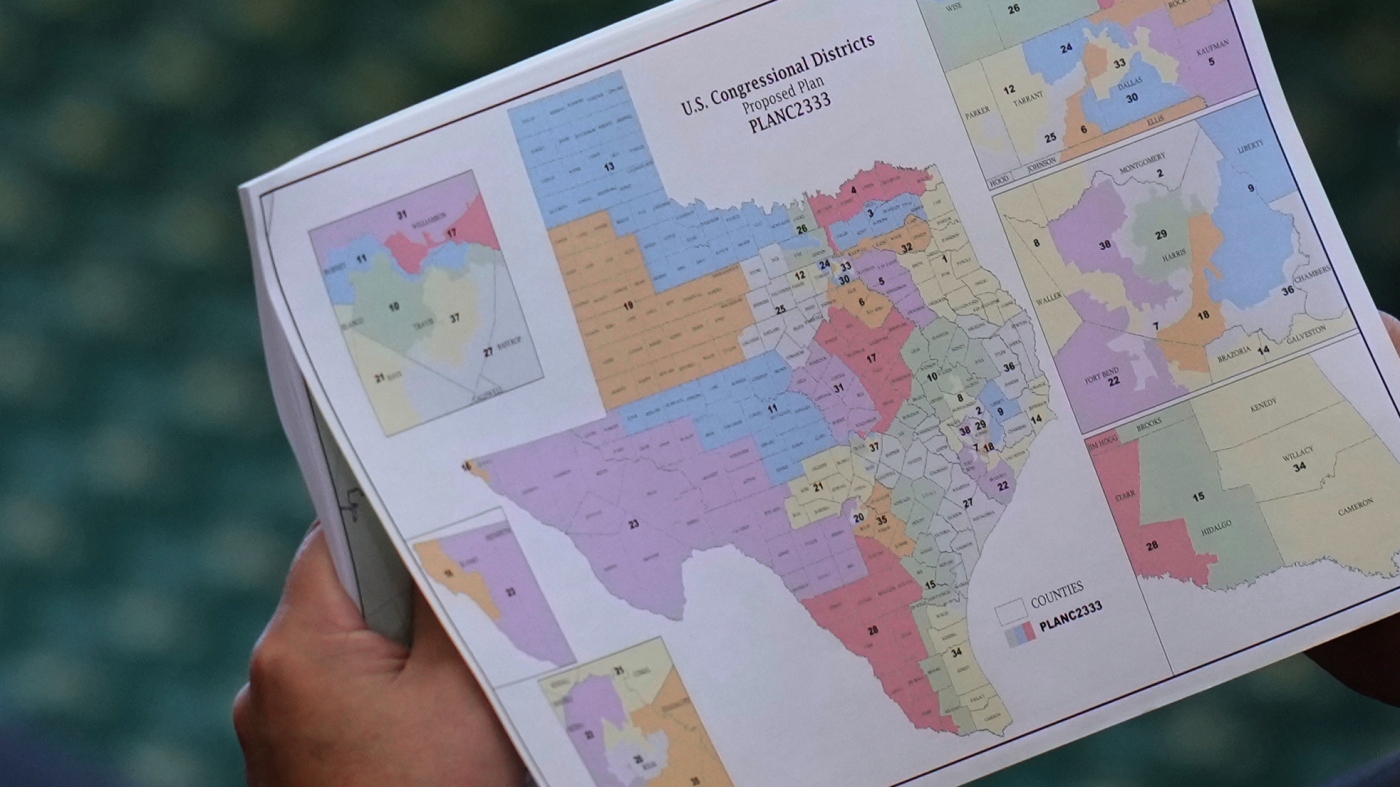
Texas Governor Greg Abbott is appealing a recent court ruling that found the state’s new redistricting map to be racially discriminatory. This ruling, which came from a three-judge panel, temporarily blocked the new map and directed Texas to revert to using the district maps from the previous two elections.
Abbott, a Republican, firmly stated that claims of discrimination are baseless and that the ruling undermines Texas’s legislative power. The motivation for the new map, drawn during the summer legislative session, was reportedly to secure more Republican seats in the upcoming elections.
Interestingly, the judges found substantial evidence that race played a significant role in how the map was crafted. According to political scientist Josh Blank from the University of Texas at Austin, this puts Texas lawmakers in a “difficult spot,” especially given past denials about racially motivated districting.
The court’s decision arrives at a crucial time for Republicans nationwide, who are racing to reshape electoral maps to maintain their thin majority in the House. Similar redistricting efforts are happening in states like Missouri and North Carolina.
The ruling has sparked responses from both sides. Democrats, including Rep. Lizzie Fletcher, hailed the decision, emphasizing that it protects the voting power of minority communities. On the other hand, Texas Attorney General Ken Paxton, who aims for a U.S. Senate seat, plans to challenge the ruling further, insisting the map was lawful.
To put this into perspective, research indicates that gerrymandering can significantly impact electoral outcomes. A study from the Brennan Center for Justice shows that between 2011 and 2020, about one in three congressional seats were drawn to favor one party over another, often diminishing the representation of minority groups.
This Texas case is not just about political strategy; it reflects broader national debates on race, representation, and the integrity of the democratic process. With the redistricting battle heating up, the implications for future elections could be profound.
For further reading on the topic of redistricting and its role in American politics, check out the Brennan Center’s comprehensive analysis here.
