
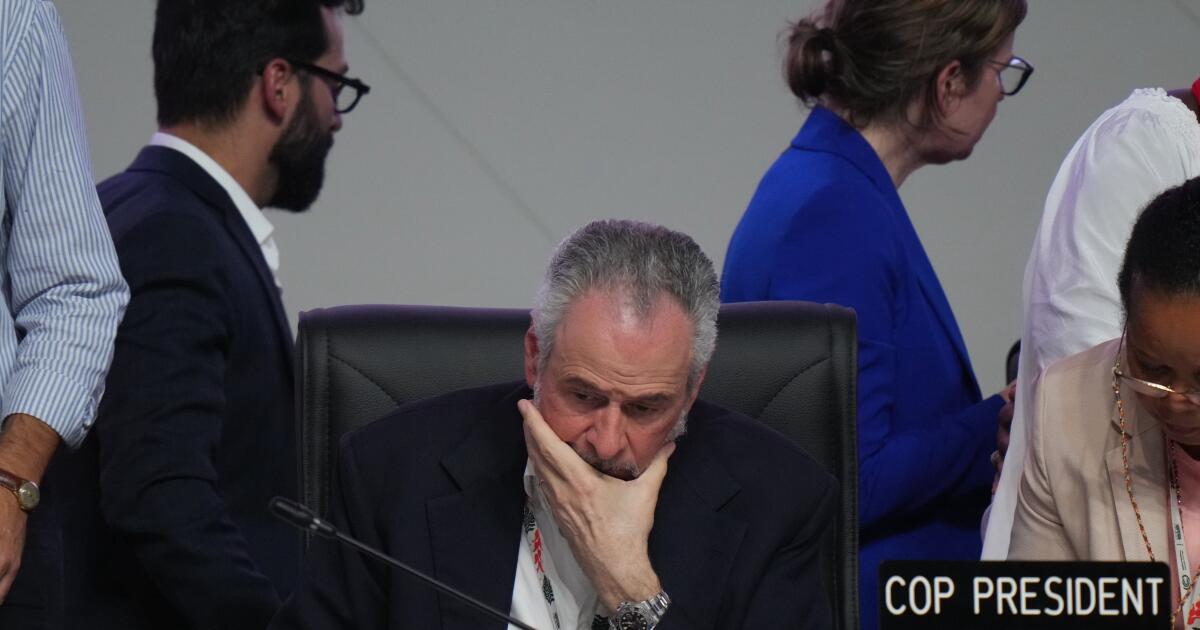
This year’s U.N. climate conference, COP30, took place in Belem, Brazil, right next to the Amazon rainforest. This region is vital for our climate and is home to many Indigenous peoples directly affected by climate change. Brazilian President Luiz Inácio Lula da Silva, known for his charisma, kicked things off with inspiring speeches. Over 80 nations rallied for a concrete plan to cut back on fossil fuels—our biggest climate culprits.
But the final agreement left many disappointed. Though some funding for developing nations was promised, the lack of clear action on fossil fuels felt like a missed opportunity. Critics noticed that the word “fossil fuels” didn’t even make it into the final draft. This omission is troubling, especially as climate impacts worsen with more extreme weather events.
Juan Carlos Monterrey Gomez, a negotiator from Panama, expressed frustration. “A climate decision that cannot even say ‘fossil fuels’ is complicity,” he said. Others, like Lidy Nacpil from the Asian Peoples’ Movement on Debt and Development, acknowledged some positive aspects but noted that much more is needed.
Looking back, expectations were high for COP30. From Lula’s re-election in 2022 to preparations for hosting the summit in the Amazon, anticipation built as discussions unfolded. However, this year’s conference aimed to be a turning point fell short in many aspects. Instead of building momentum for future negotiations, it raised doubts about the effectiveness of international climate talks.
Many officials voiced that the results lacked urgency. Maina Vakafua Talia from Tuvalu critiqued the decade-long failure since the Paris Agreement in 2015 to make significant progress. This year’s resolution was seen as a repeat of past shortcomings, with no commitment to move away from fossil fuels.
Looking ahead to COP31 in Turkey, many are hoping for renewed focus on strong climate actions. The discussions from this year’s conference showed that voices from small nations and Indigenous groups need more recognition in global dialogues about climate solutions. As we move forward, the need for swift and decisive action has never been clearer—especially as greenhouse gas emissions continue to rise globally.
For insights and more expert perspectives, you can explore recent research from the World Meteorological Organization, which highlights the urgent impacts of climate change we face today.
