
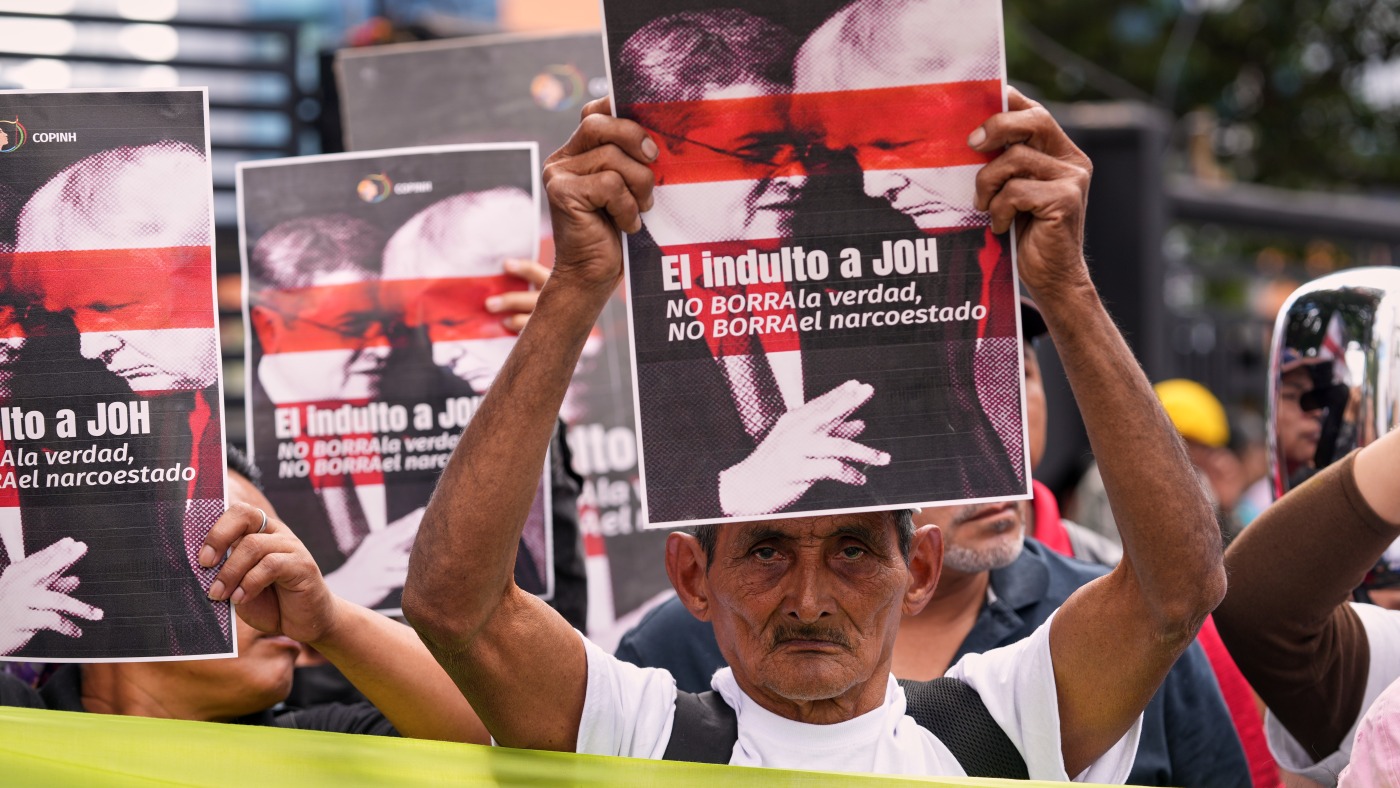
In Honduras, a big story is unfolding around former President Juan Orlando Hernández. Recently, he was pardoned by former U.S. President Donald Trump, leading to his release from a U.S. prison where he was serving 45 years for drug trafficking. This turn of events has sparked protests in Honduras, as many citizens feel betrayed.
Attorney General Johel Zelaya stated that he has directed local authorities and Interpol to act on a 2023 arrest order for Hernández. This order ties to allegations of fraud and money laundering, with specific accusations related to political party funding scandals. The political landscape in Honduras is tense, especially with the ongoing presidential elections.
Before his arrest, Hernández was considered a crucial ally in the U.S. war on drugs. His downfall came quickly after he left office in 2022, raising questions about his earlier support from Washington. Current President Xiomara Castro has actively sought to hold Hernández accountable for his actions.
A recent news report mentioned a surprising statistic: over 80% of Hondurans believe that corruption is rampant in their government. This sentiment underscores the urgency for a transparent political system.
Hernández’s legal team argues that the new charges against him are politically motivated. His lawyer claimed that these moves are simply attempts by the opposing political party to intimidate Hernández and regain power. Interestingly, social media platforms like TikTok have played a role in this saga, with Hernández even thanking Trump via video after his release, which stirred mixed reactions online.
The situation has only gotten more complex with the ongoing presidential elections. Candidates are closely tied to Hernández’s legacy. Nasry Asfura, who Trump endorsed, is vying for the presidency, while his opponent, Salvador Nasralla, positions himself as a candidate against corruption. The election results could significantly affect the future of Hernández and the broader political context in Honduras.
As this drama unfolds, it signals a critical moment in Honduran politics, where public sentiment is divided between nostalgia for Hernández’s previous terms and disgust over his criminal actions. The coming weeks will be crucial for both the people of Honduras and the future of its political landscape.
For more information on ongoing political issues in Honduras, you can read more from reliable sources like [NPR](https://www.npr.org) and [the BBC](https://www.bbc.com/news/world-latin-america-65011690).
