
The quest for women’s voting rights in America had some surprising flavors. Suffragists often hosted bake sales and created cookbooks to fund their efforts. It may seem odd that women baked cookies while fighting for serious rights, but it boosted their community ties and helped their cause.
We wanted to explore the suffrage bake sale experience, but recreating those old recipes proved challenging. For example, a recipe from the Woman’s Exponent, a suffragist newspaper from Salt Lake City, used measurements like pounds instead of cups. Many ingredients were also tricky to find today, and cooking times weren’t specified.
According to Juli McLoone, curator of the Janice Bluestein Longone Culinary Archive, most people cooked with cast iron stoves in the 1880s, making it hard to pinpoint exact cooking temperatures. Recipes would simply say to use “a quick oven.”
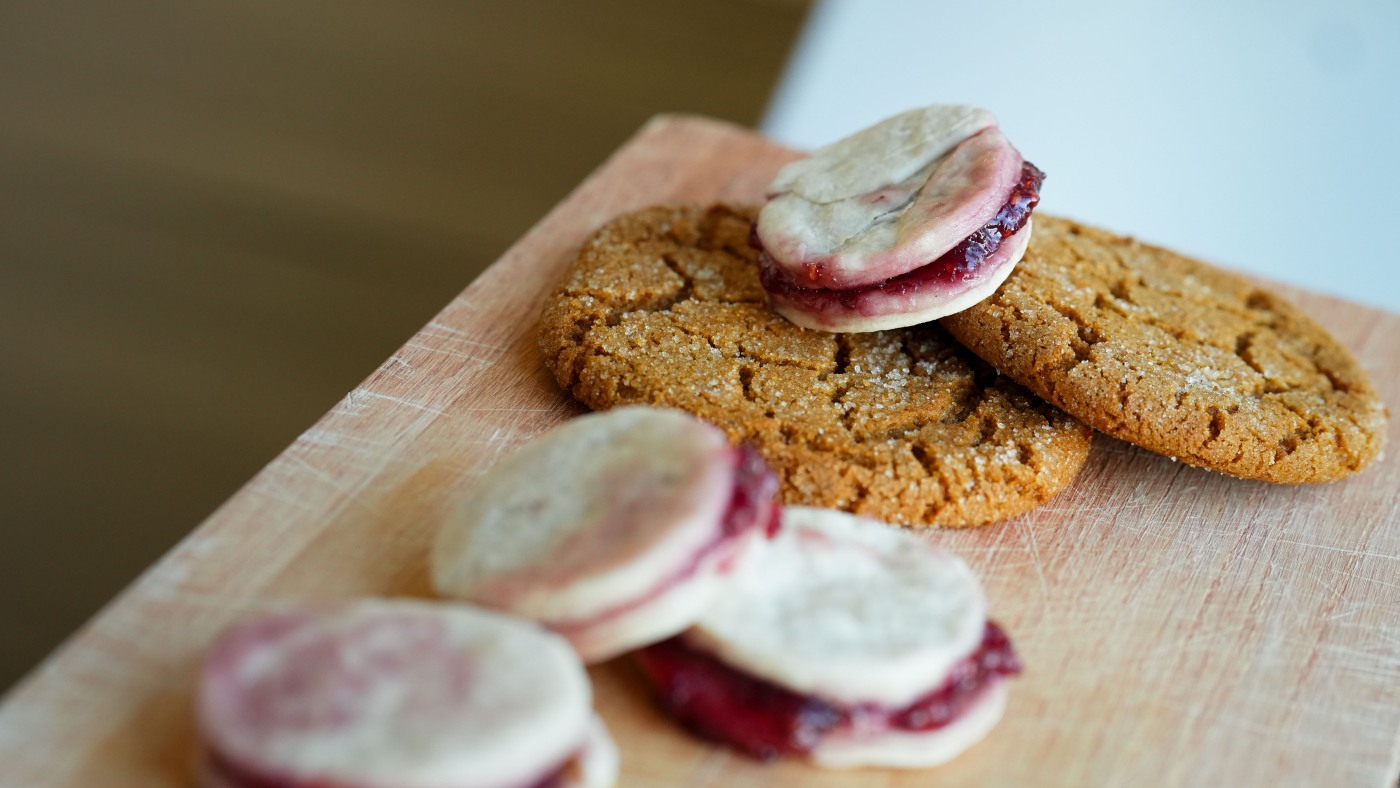
We endeavored to bake some kiss cakes from 1885. While they weren’t the brightly decorated cookies we see today, they had their own charm.
Cookies, cakes, and treats sold at bake sales across Salt Lake City and beyond helped fund suffragists as they campaigned for women’s rights.

This kiss cake recipe published by the Woman’s Exponent in 1885 reflects a time when women sought to assert their roles beyond the kitchen via their culinary skills.
McLoone notes that some suffragists used cooking as a clever way to highlight their contributions to family life. They believed efficient homemaking would give them time for civic duties. It wasn’t about abandoning the kitchen but reshaping its significance.
Despite some calls to move women entirely out of domestic roles, most suffragists didn’t intend to leave home life behind. Their cookbook recipes not only raised money but also raised awareness about their cause.
A 1915 cookbook from the Equal Franchise Federation of Western Pennsylvania featured a gingerbread recipe, famous since the tale of Hansel and Gretel. It included testimonials from governors of states where women had already gained the vote, showcasing a shift in societal views.
Women suffragists faced criticism, often being painted as unfeminine and neglectful mothers. Through bake sales and cookbooks, they aimed to change this narrative, showing that they could be skilled in both home and public spheres.
Today, the legacy of these suffragists reminds us that visible actions, like baking, can create strong bonds in communities and advance significant social change—one cookie at a time.
