
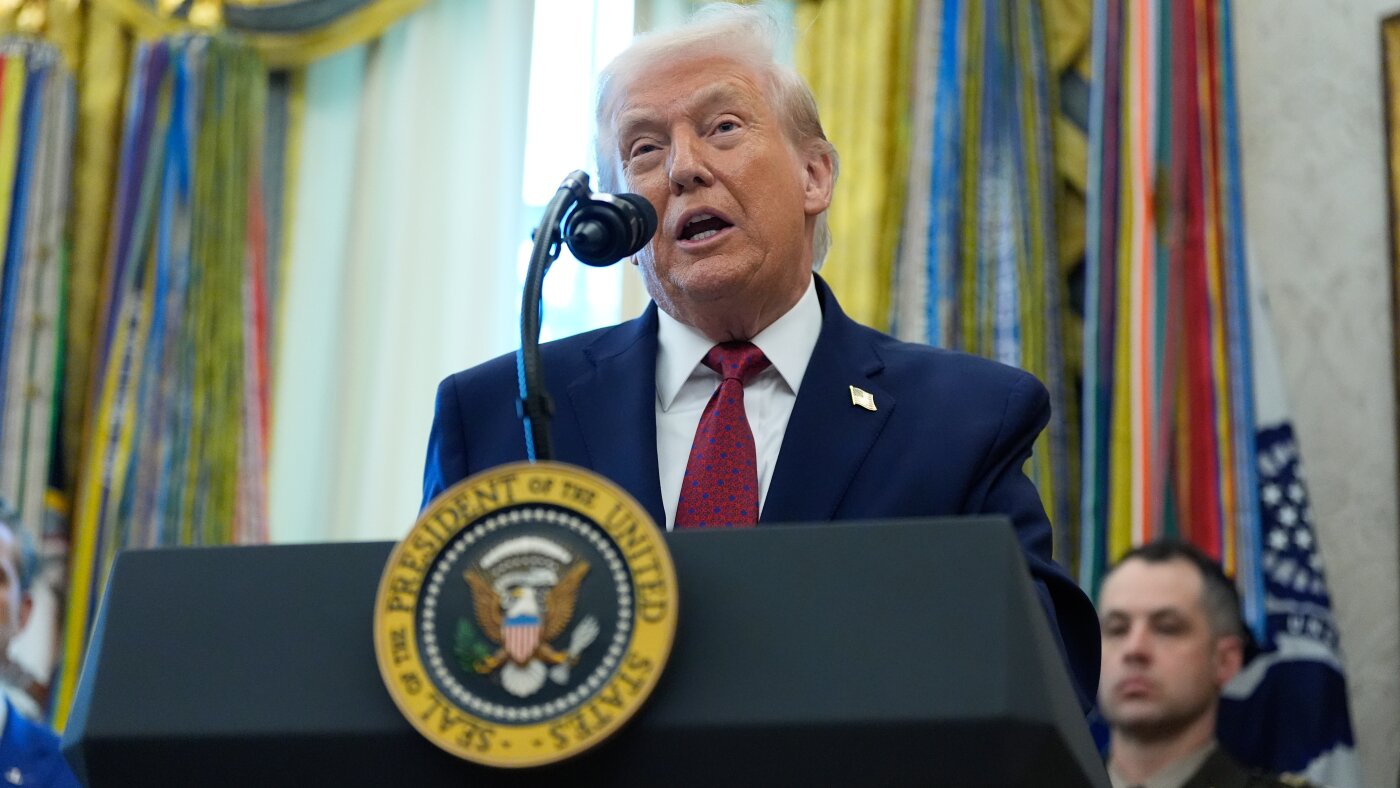
President Donald Trump has filed a lawsuit against the BBC, seeking $10 billion in damages. He accuses the British broadcaster of defamation and unfair practices. The lawsuit, which is 33 pages long, claims the BBC portrayed him in a “false, defamatory, and malicious” way, interfering with the upcoming 2024 presidential election.
One key point in the lawsuit is the BBC’s editing of Trump’s speech on January 6, 2021. It allegedly spliced together different segments of his speech to misrepresent what he said. Trump argues this edited version has harmful implications for his reputation.
The BBC has faced backlash before, especially after it aired the documentary “Trump: A Second Chance?” which used quotes from that speech. The editing choices made it seem like Trump called for violence, ignoring his statements to march peacefully. BBC chairman Samir Shah called the situation an “error of judgment,” resulting in resignations among top executives.
Despite apologizing to Trump for the edit, the BBC has firmly rejected the defamation claims. After being threatened with legal action, they stand by their content, asserting it does not constitute defamation.
Experts note this lawsuit could face challenges in U.S. courts. Since the documentary wasn’t broadcast in the U.S., it may complicate Trump’s case. Some legal analysts question the suit’s viability based on jurisdictional issues. However, Trump claims that U.S. viewers can access the BBC’s programming, including the documentary, through streaming services like BritBox.
The BBC is known for its impartiality and faces scrutiny from all political sides. Its funding comes from a license fee paid by viewers, which places additional pressure on the network to maintain its reputation.
This situation reflects a broader trend in media where figures seek legal recourse against perceived misrepresentations. In recent years, public figures have increasingly found themselves in legal battles over media portrayals, often highlighting tensions between free speech and accountability in journalism. A survey by the Pew Research Center revealed that a significant portion of the public feels media outlets often misrepresent facts, indicating a growing distrust in traditional media.
As this case unfolds, it will likely be watched closely, both for its implications on media practices and potential legal precedents regarding defamation.
