
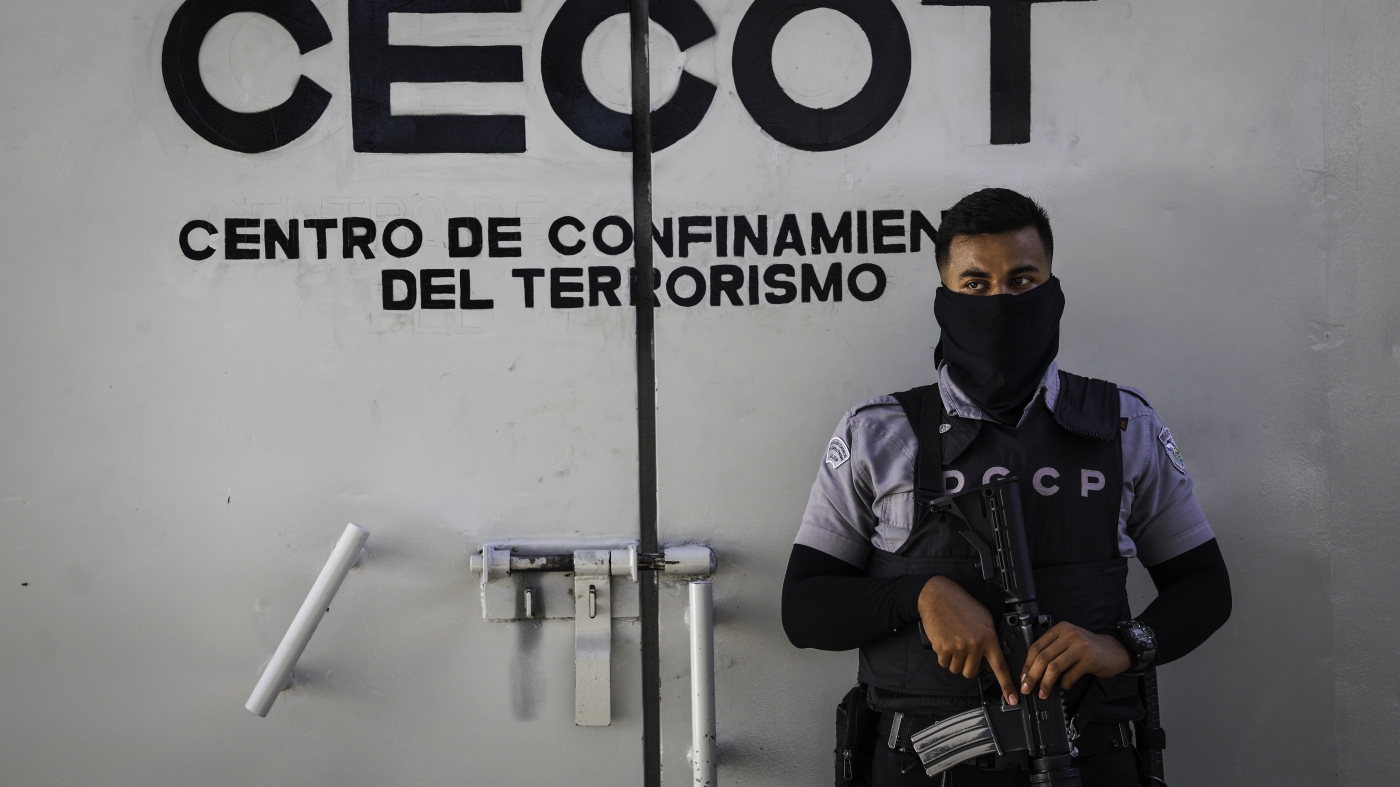
A federal judge recently ruled that the U.S. government failed to provide due process to Venezuelan men deported to a prison in El Salvador. This deportation occurred after President Trump invoked the Alien Enemies Act, targeting members of a Venezuelan gang allegedly operating in the U.S.
The American Civil Liberties Union (ACLU) and Democracy Forward pushed back, saying the deportations were unlawful and the men should have been allowed to contest their removal. Chief Judge James Boasberg agreed, stating they deserved a hearing—either in the U.S. or from abroad.
In his ruling, Boasberg noted that the government must help these men secure a chance to prove their innocence against the deportation’s accusations. He called the deportations a violation of their rights and required the government to respond by January 5, either by bringing them back or offering them hearings.
The Trump administration likely plans to appeal this decision. The invocation of the Alien Enemies Act caused significant controversy, with the government quickly sending multiple flights carrying alleged gang members back to El Salvador. As part of a prisoner exchange, some of these men have since returned to Venezuela.
In light of this case, experts highlight the importance of due process, especially regarding deportation policies. According to a 2022 report by Human Rights Watch, over 400 cases have shown denial of due process in immigration matters, raising concerns about accountability in the system.
Judge Boasberg emphasized that deporting individuals without a fair hearing disregards legal rights. He argued that every individual should have a “meaningful opportunity” to defend themselves against deportation claims. Without such protections, the risk exists of sending people to countries where they may face harm or injustices.
Social media reactions reflect a mix of outrage and concern about this situation. Many users express disbelief over the government’s actions, praising Boasberg’s ruling as a step toward justice in immigration policy.
This case is a pivotal moment that raises questions about the balance between national security and human rights. As the legal battle continues, its implications could set important precedents for immigration law in the U.S. In a rapidly changing political climate, advocates are calling for reforms to ensure that due process is upheld for all individuals facing deportation.
Source link
