
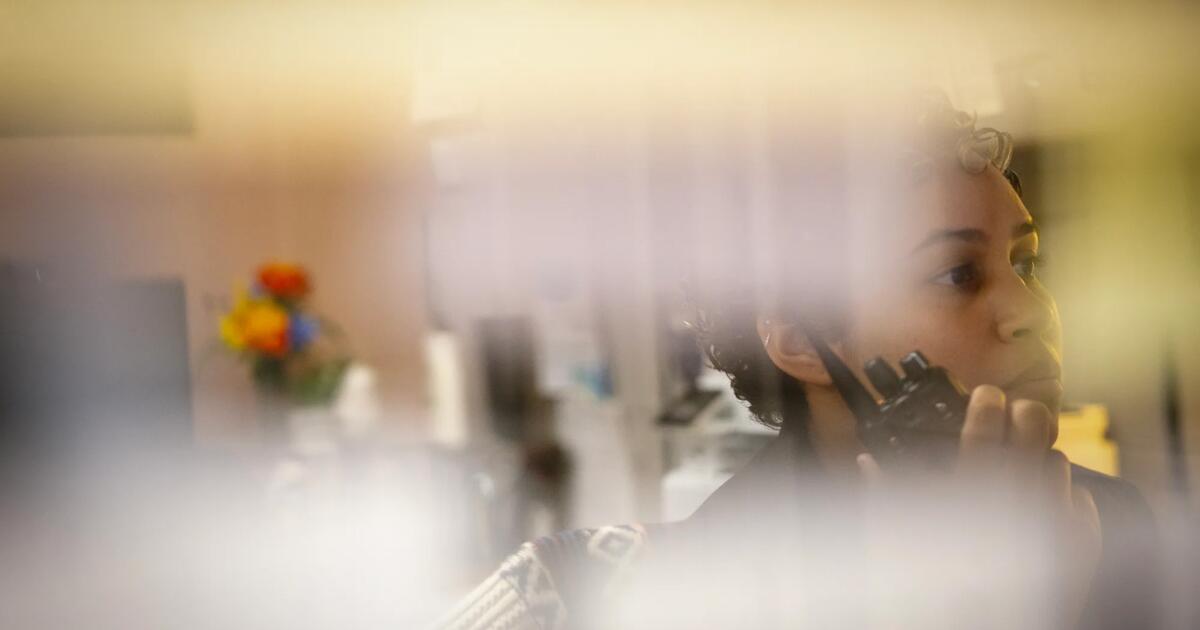
Briana Fair is a mental health clinician with the San Mateo Police Department. She recently received several voicemails from a distressed client. This client rarely reaches out unless she’s nearing a crisis. Fair understands this urgency. By staying close to her client, Fair helps ensure she gets the support she needs, preventing more serious emergencies.
Fair’s role is part of a growing trend in mental health care: the co-responder model, which pairs law enforcement with mental health professionals. This approach aims to reduce costly interventions and provide immediate help to those in crisis.
According to a recent study from Stanford’s John W. Gardner Center, this model has made a noticeable difference in San Mateo County. Researchers found that it led to a 17% drop in involuntary psychiatric holds, which can confine individuals to a hospital for up to 72 hours. This reduction saved the county between $300,000 to $800,000 a year.
San Mateo County Executive Officer Mike Callagy stressed the importance of finding alternatives to police responses for mental health crises. He noted, “Police are not best equipped to handle these situations.”
The rise of mental health-related calls has prompted significant shifts in how law enforcement approaches crises. In 2020, following the murder of George Floyd, calls for police reform increased. Many agencies are now reassessing their role in mental health emergencies. Fair’s co-responder model addresses this need, enabling officers to focus on other tasks while ensuring individuals in crisis receive proper care.
“Alternatives are not just efficiencies; they can save lives,” said psychologist and public safety expert Dr. Rita Lawrence. The idea is not to remove police entirely but to blend their presence with mental health professionals effectively.
On a typical day, Fair juggles various tasks, helping clients with everything from arranging in-home care to managing their immediate needs. During a recent visit, she even helped a client apply dry shampoo, showing a deep level of personal care in the process.
The San Mateo Police Department has committed to continuing this model even after the pilot program ended, demonstrating its value not just to the police but also to the community. Fair’s work illustrates the growing understanding that effective mental health responses require collaboration.
In 2020, a survey revealed that over 60% of respondents believed police don’t have the necessary training for mental health crises. This acknowledgment has fueled innovations like Fair’s approach across the country.
As Fair navigates her role, she emphasizes the importance of listening and understanding. When a call comes in about someone feeling unsafe, she prepares to address the situation with compassion, prioritizing safety and well-being.
In summary, the co-responder model provides a promising path forward for handling mental health emergencies. By combining expertise from both law enforcement and mental health professionals, communities can create a safer, healthier environment for individuals in crisis.
For more insights into mental health initiatives in California, you can check out resources from the California Department of Health Care Services.
Source link
