
PHOENIX — The brave men and women protecting our communities in Arizona and beyond face many challenges that often go unnoticed.
Recent studies highlight a troubling reality: law enforcement officers are at a higher risk for mental health issues, especially post-traumatic stress disorder (PTSD) and depression. A 2024 study from the National Library of Medicine found that public safety workers experience these conditions nearly twice as often as civilians, shedding light on the intense pressure they operate under. Read the study here.
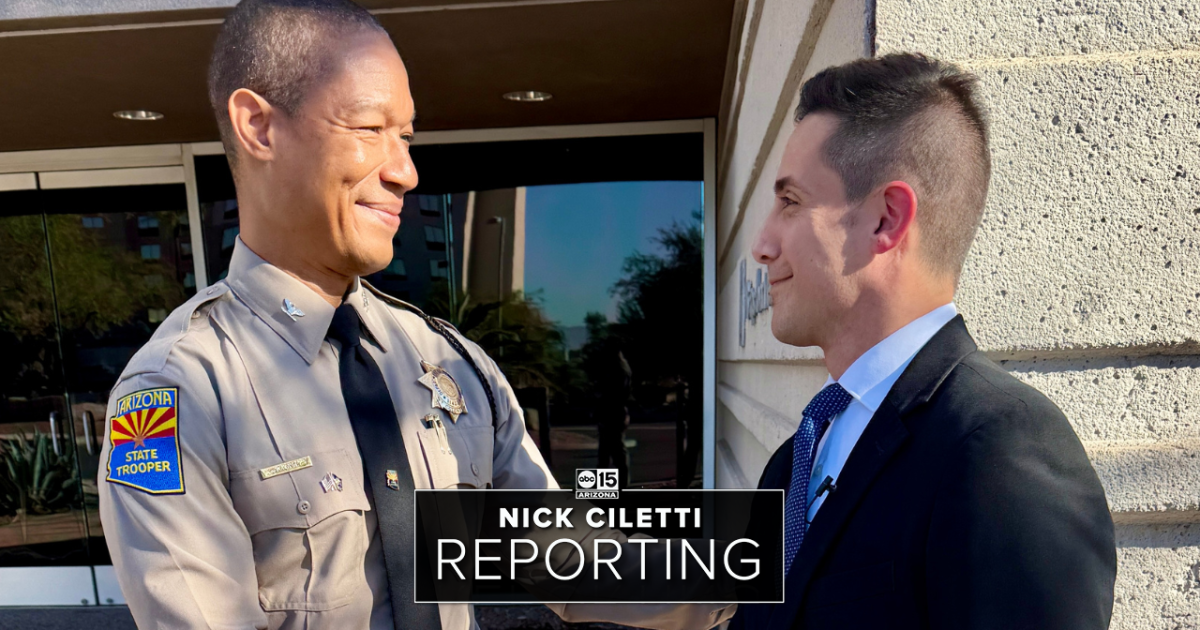
In response to these challenges, the Arizona Department of Public Safety (DPS) is taking action. “We’ve made significant strides in addressing mental health, morale, and burnout among our troopers,” said Colonel Jeffrey Glover, DPS Director. He emphasized the importance of supporting officers, particularly when they feel overwhelmed.
Colonel Glover noted that many police departments faced difficulties in 2020, following the public uproar after George Floyd’s death. “We lost a lot of credibility,” he said. “Instead of pulling away, we need to engage our communities and understand how they want to be policed.”
Burnout is a critical issue that the DPS is tackling. One innovative tool they’re using is an AI program called “Truleo.” This technology reviews body camera footage, analyzing officer interactions for their tone and engagement to help identify signs of stress or burnout. A representative from Truleo said it acts as a “digital workforce,” allowing officers to focus on their shifts while the system monitors interactions.
DPS has also introduced another program, “Vitanya.” This system helps officers assess their mental state before shifts. Officers place their hand on a device that sends electrical pulses through their body, providing feedback on their brain activity, which is then reviewed by a personal clinician via video.
Looking ahead, Colonel Glover announced an exciting initiative: starting in 2026, the DPS will offer a fully paid wellness break for troopers after 15 years of service. They can take another break after 25 years, allowing seasoned officers to recharge.
The push for mental health support in law enforcement is becoming more relevant as social media trends reveal growing public awareness and concern for the well-being of officers. More discussions are occurring around the topic, reinforcing the importance of addressing mental health in a profession often associated with high stress.
This proactive approach not only helps officers perform better but strengthens public trust, ultimately benefiting the community as a whole. The journey toward better mental health care for law enforcement is still ongoing, but these initiatives are steps in the right direction.
For more insights on mental health in law enforcement, you can explore resources from the National Alliance on Mental Illness here.
