
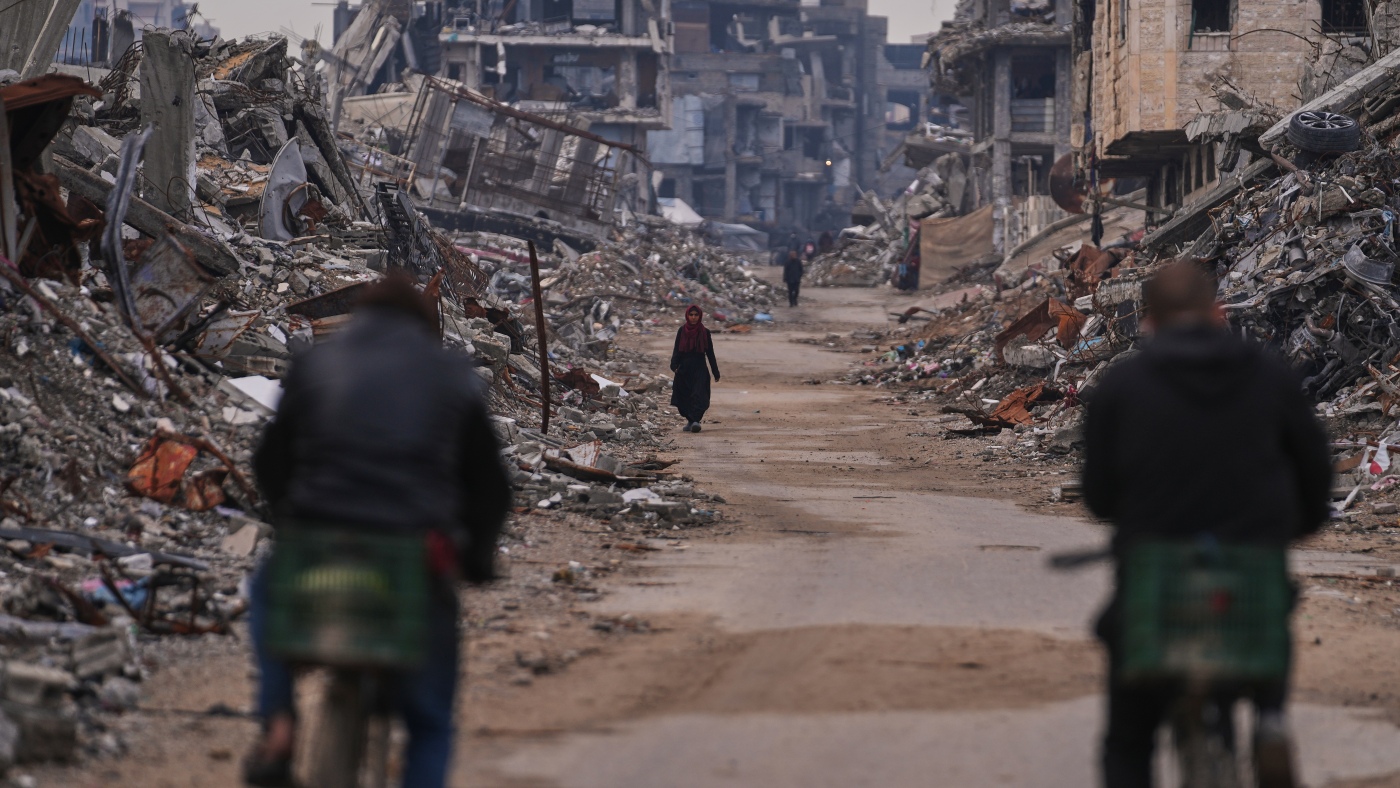
Israel has announced plans to suspend over two dozen humanitarian organizations, including Doctors Without Borders (MSF), starting January 1. This decision arises from new regulations that require international groups to share detailed information about their staff and operations. The Israeli government claims that some staff were involved with Hamas and that this has compromised security.
According to recent reports, around 15% of non-governmental organizations currently working in Gaza won’t have their permits renewed. This includes major groups like the Norwegian Refugee Council and Oxfam, which provide vital services such as food distribution, healthcare, and education.
Experts in humanitarian aid, like Shaina Low from the Norwegian Refugee Council, argue that these regulations are overly restrictive and put local staff at risk. In Gaza, hundreds of aid workers have lost their lives, making the issue of safety particularly sensitive. “The fear is real. We are concerned about targeting if we share names,” Low noted.
The Israeli Ministry of Diaspora Affairs insists that these measures are meant to prevent aid from being exploited by militant groups. They claim that organizations under scrutiny contribute less than 1% of the total aid going into Gaza. Despite this, many humanitarian agencies disagree with Israel’s assessment of the aid situation, arguing that more support is desperately needed for the 2 million residents in the region.
Recent trends on social media show growing public concern over the humanitarian situation in Gaza. Hashtags related to the topic have gained traction, asking for better transparency and more support for vulnerable populations.
Historically, Israel’s relationship with humanitarian organizations has often been fraught. The UN Relief and Works Agency (UNRWA) has faced similar allegations over the years, leading to significant tensions and funding cuts, notably from the U.S.
Moreover, independent analysts point out that while these regulations may aim to improve security, the lack of clarity on how collected data will be used raises alarms among organizations. There’s a pressing need for a balance between security and humanitarian access.
As the new regulations take effect, humanitarian groups fear for the future of their operations in Gaza. The message remains clear: local staff will bear the brunt of these changes, all while the urgent needs of the population continue to grow.
Source link
