
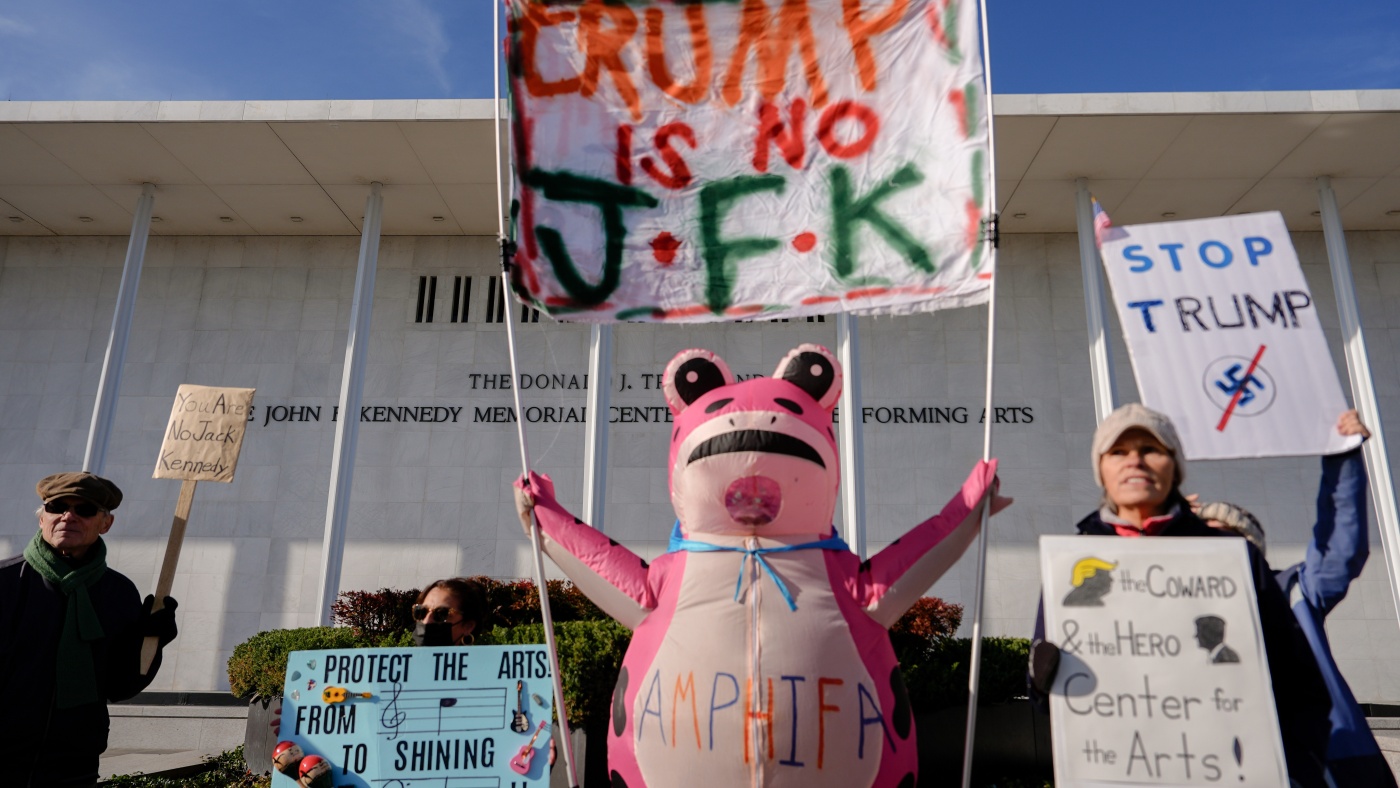
The Kennedy Center is facing a whirlwind of cancellations. Recently, several artists pulled out of performances after President Donald Trump’s name was added to the center, causing a stir in the arts community.
The jazz supergroup The Cookers announced they would no longer perform at “A Jazz New Year’s Eve.” They expressed regret for those who hoped to attend. Similarly, Doug Varone and Dancers shared on Instagram that they couldn’t perform in a venue now associated with Trump.
This isn’t the first time artists have taken a stand. Musician Chuck Redd canceled a Christmas Eve performance, and ticket sales for upcoming events are also declining. Interestingly, viewership for the Kennedy Center Honors, aired on December 23, dropped by about 35% compared to the previous year.
The Bruce Keisling-led Trump-appointed board’s decision to rename the center has sparked considerable backlash. In the past, prominent figures like Issa Rae and the producers of “Hamilton” canceled their engagements as well. Some artists feel the center no longer embodies the spirit of inclusion. For instance, saxophonist Billy Harper spoke out passionately against the new direction, stating he wouldn’t perform in a venue that represents “overt racism” and undermines African American culture.
Richard Grenell, a Trump ally and head of the Kennedy Center, remarked that many of the cancellations were from artists booked under past leadership. He claimed that many new artists were eager to perform without political statements—some are already lining up to fill the gaps left by cancellations.
Not everyone is against the new changes. Bluegrass banjoist Randy Barrett finds the situation troubling but believes art can unite divided communities. He plans to go ahead with his performance, emphasizing the importance of artistic expression, especially in today’s polarized environment.
Historically, the Kennedy Center was established as a memorial to President John F. Kennedy after his assassination in 1963. Any name changes would require congressional approval, according to the law that set up the venue. This context highlights the complexity of renaming a national landmark and the deep-rooted sentiments involved.
As the scenario unfolds, it reflects deeper tensions between art and politics in today’s society.
