
Shifting Drug Policies: Trump vs. Biden
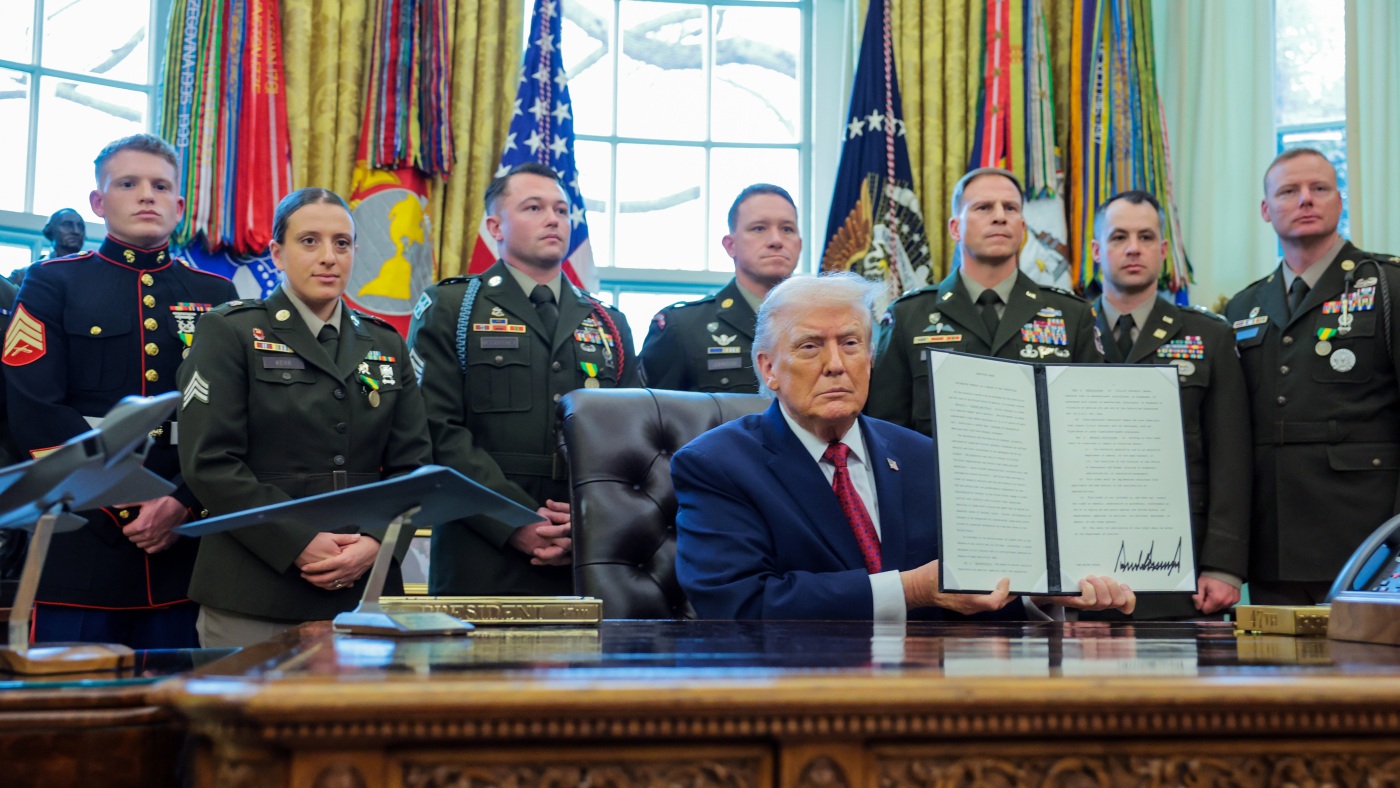
President Trump’s return to office has sparked major changes in U.S. drug policy, particularly concerning the deadly fentanyl crisis. His administration quickly abandoned initiatives aimed at expanding addiction treatment that were established during President Biden’s tenure. Many believe Biden-era policies saved numerous lives by enhancing access to addiction treatment.
Trump’s strategy involves a militarized approach. He declares a war on drug dealers and smugglers, calling fentanyl a “weapon of mass destruction.” His administration has conducted naval strikes against suspected drug trafficking boats, classified cartel operations as terrorism, and even deployed National Guard troops to U.S. cities.
However, critics argue that this tough stance risks undercutting valuable addiction treatment services. Trump has halted federal funding for many treatment programs, creating anxiety among caregivers who strive to assist those struggling with addiction.
Historically, overdose deaths rose sharply during Biden’s early presidency, linked to pressures from the COVID pandemic. Yet, recent statistics showing a near 27% drop in fatal overdoses in 2023 indicate progress thanks to Biden’s policies. By expanding treatment options across the country, including medications for opioid addiction, the administration aimed to implement a “harm reduction” strategy that provides support without immediate abstinence from drugs.
Richard Frank, a drug policy researcher, notes, “We’ve made gains. More people are being treated for substance use disorders now.” This progress stems partially from Medicaid expansion, which has funded critical treatment programs.
In stark contrast, Trump’s budget cuts threaten to strip nearly $1 trillion from Medicaid, which could reverse the gains seen in addiction care. Regina LaBelle, an expert in drug policy, succinctly warns, “The biggest risk is the cutbacks to Medicaid.”
Despite Trump’s aggressive rhetoric, evidence suggests that Biden’s initiatives have had a substantial impact on reducing fentanyl trafficking. Experts like Vanda Felbab-Brown highlight a significant cooperation effort between the U.S. and China aimed at curbing the flow of precursors used to make fentanyl.
On social media, the conversation is heated. Trump claims his policies have saved millions of lives, but experts find these assertions exaggerated. For instance, claims of saving over 250 million lives through aggressive anti-drug policies have been widely challenged.
The Trump administration’s push for military action faces skepticism as well. Critics argue that merely targeting low-level operatives does little to address the larger drug trafficking networks. The latest National Drug Threat Assessment underscores that Mexican drug gangs remain the primary culprits behind fentanyl entering the U.S.
This dynamic fosters confusion about America’s drug response. As Jeffrey Singer from the Cato Institute emphasizes, mixed signals from the White House create uncertainty, complicating efforts to tackle drug-related issues effectively.
In conclusion, the U.S. faces a complex landscape of drug policy characterized by shifting strategies. The balance of law enforcement and effective treatment continues to evolve, requiring careful examination of the impacts and effectiveness of each approach.
For more insight into drug policies and their implications, check the Centers for Disease Control and Prevention and the Drug Enforcement Administration.
