
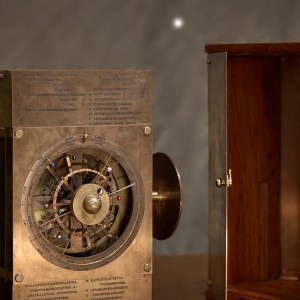
Several millennia ago, a Greek ship sank near the island of Antikythera in the Aegean Sea. It carried various treasures, including statues and coins, but one small object caught attention: a shoebox-sized piece of bronze.
In 1900, sponge divers discovered the shipwreck and found this object, later named the Antikythera Mechanism. Researchers were amazed to find out that it was actually an intricate astronomical calculator. It’s often referred to as one of the earliest known computers.
The Antikythera Mechanism was designed to track planetary movements, predict eclipses, and even included a dial for the Olympic games—over a thousand years before similar technology existed. This remarkable feat of engineering poses several questions: Who created it? Why hasn’t another similar device been found?
Experts suggest that this mechanism shows advanced knowledge of gears and astronomy that was ahead of its time. A study published by Nature highlights that the technology used in the Mechanism may indicate that ancient Greeks were more scientifically literate than previously thought.
Moreover, the mystery surrounding this device continues to intrigue both scientists and enthusiasts. Social media buzzes with discussions and theories about its origins, and the hashtag #AntikytheraMechanism regularly trends as people share their insights and questions about it.
In summary, the Antikythera Mechanism is not just an ancient artifact; it represents a bridge between past ingenuity and modern technology. Its story reminds us of the mysteries that still linger in history and how much we can learn from our ancestors.
Source link
Antikythera Mechanism, Andrew Daniels, World’s First Computer
