
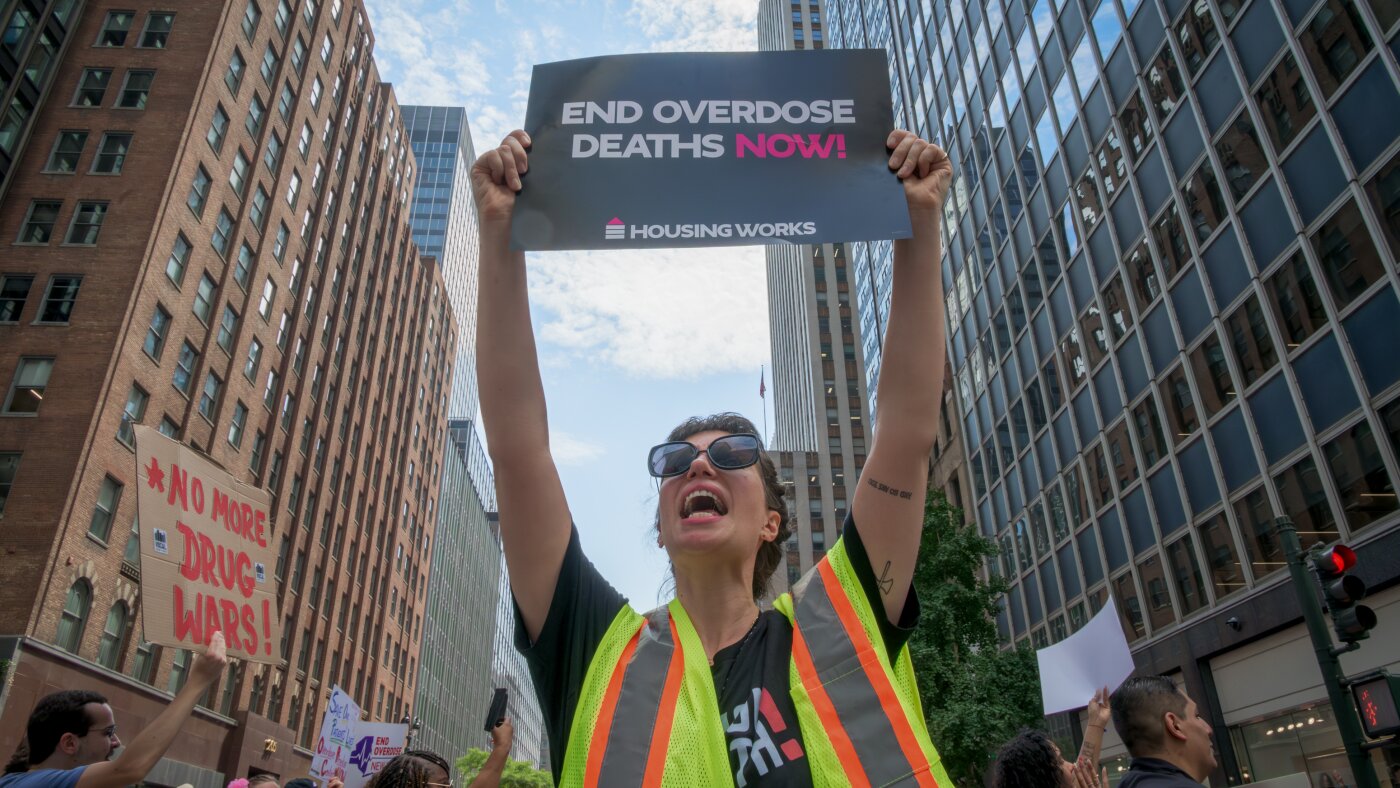
Recently, the U.S. mental health and drug addiction services faced a severe shock when the Trump administration sent out termination letters for federal grants. This sudden move affects many groups offering crucial support to those struggling with addiction and mental health issues.
Reports suggest that the total cuts could reach approximately $2 billion. Andrew Kessler, who leads the consultancy Slingshot Solutions, highlighted that many community programs might have to shut down almost immediately. “We’re seeing a serious loss of front-line capacity,” he said, indicating that the impact of these cuts will be felt nationwide.
Ryan Hampton, founder of Mobilize Recovery, shared the distress of losing around $500,000 in funding overnight. He expressed deep concerns that the cancellation of these grants would leave communities ill-equipped to tackle the ongoing crisis. “This cruelty will be measured in lives lost,” he stated, warning that recovery centers may close, dismantling the support systems that have been established.
According to a letter from the Substance Abuse and Mental Health Services Administration (SAMHSA), these cuts stem from a shift in the administration’s priorities. The grants were terminated effective immediately, sparking alarm among non-profits across various states, from Salt Lake City to Detroit. Many are now scrambling to assess the full impact of these cuts.
The National Association of County Behavioral Health and Developmental Disability Directors noted that over 2,000 grants are affected, raising serious questions about the safety net for those in need. Kessler indicated that providers are very worried about the future, predicting a scramble to maintain essential services.
Regina LaBelle, a Georgetown University professor and former acting head of the Office of National Drug Control Policy, emphasized the importance of these grants. “They fund life-saving services,” she remarked, noting that with the ongoing overdose epidemic, now is not the time to cut critical funding.
This situation mirrors past crises in public health funding, where abrupt changes in policy have led to significant setbacks for vulnerable communities. As we witness these developments, many are left wondering how this funding loss will reshape the landscape of mental health and addiction care in America.
In a world where every statistic counts, the stark reality is that more than 90,000 people died from drug overdoses in the U.S. in 2020 alone, a number that continues to grow. The need for effective funding and support has never been more urgent.
This evolving story highlights the ongoing challenges in mental health and addiction services. With funding cuts looming, the safety and well-being of countless individuals hang in the balance.
