
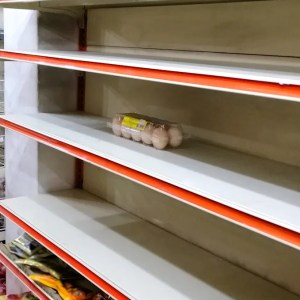
A small grocery store in Avondale is facing tough times. The Avondale Town Center Market, the only shop in the area, struggles to keep its shelves stocked. Owners Chanel Bryant and her family work hard to stay open, but it’s not easy competing with larger chain stores, especially as food insecurity rises across the country.
Big retailers can buy in bulk, getting better prices on products. This isn’t the case for smaller shops, which often pay more for the same items. Rising costs are fueled further by extreme weather, which has increased food prices nationwide. Bryant explained, “We do not have the same buying power our big box competitors have, so we try to keep our prices competitive.”
For Avondale residents, the store’s struggles hit home. Food deserts make it hard to find fresh groceries nearby, leading many to travel long distances or rely on pricey convenience stores. This can create health problems and place extra stress on tight family budgets.
At the same time, large grocery chains generate a staggering amount of food waste—between 30% to 40% of the food supply in the U.S. annually, according to the Food & Drug Administration. Some companies, like Martie, are trying to step in by reselling surplus and soon-to-expire products. Others have introduced discount bins to help reduce waste.
However, small stores like Avondale’s often better understand their customers’ needs and stock products accordingly, making their potential closure a significant loss for the community.
Community leaders hope that by raising awareness, they can turn things around. “The community needs to continue to support them,” said Sandra Jones Mitchell, president of the Avondale Community Council. “We begged for that store, we prayed for that store. Now it needs our help.”
For more information on food safety and initiatives to reduce waste, visit the FDA’s page on food loss and waste.
Source link
Avondale Town Center Market, grocery store, food insecurity, empty shelves, Chanel Bryant, food prices, WPCO
