
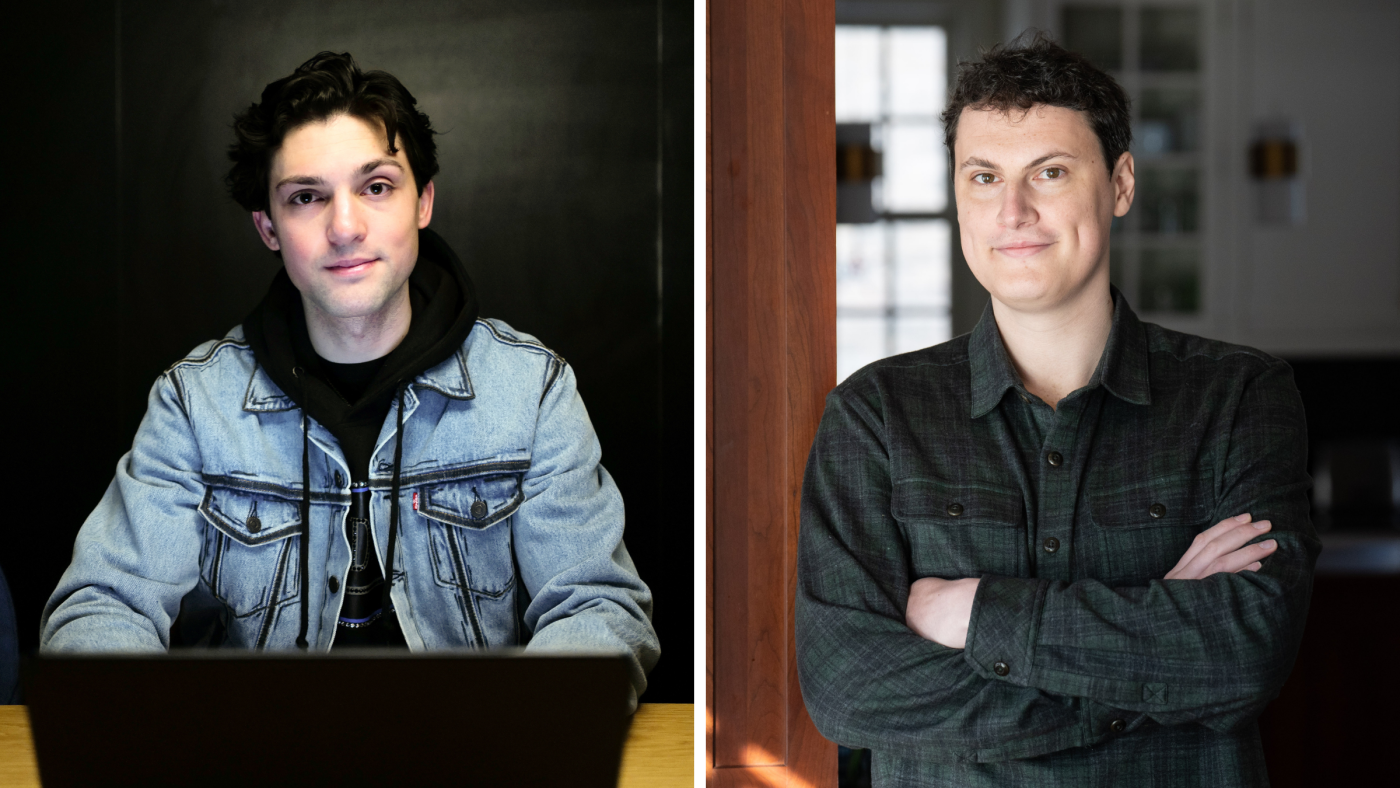
Logan Sudeith is just 25, but he spends around 100 hours a week betting on prediction markets like Kalshi and Polymarket. His earnings are impressive: he made $100,000 last month. Sudeith left his $75,000-a-year job to trade full time, often while lounging in bed.
He bets on everything, from Time Magazine’s Person of the Year to how often a sports announcer will say “air ball.” His biggest wins include making over $40,000 on the mayoral election in New York City. “I’m not a fan of Trump,” he admits, but he pays close attention to him, as politics can drive his profits.
The rise of these prediction markets has drawn in thousands of traders, driven by a desire to challenge traditional authorities like the media and pollsters. Many believe that predictions emerge from collective opinions expressed through money.
Traders expect to know the outcomes of elections before the news breaks, often claiming a market provides clearer insight than traditional reporting.
However, concerns are rising. Critics, like Better Markets CEO Dennis Kelleher, warn that these platforms resemble gambling sites. Recent lawsuits allege that prediction markets may exploit traders and could lead to addiction, particularly among younger users. Melinda Roth, a law professor, believes addiction could become a public health crisis, similar to issues seen with online sports betting.
Traders often engage in lively discussions on platforms like Discord and Reddit, where they share losses and victories. Enthusiasts boast intricately crafted jargon, merging finance with gaming slang. Terms like “mogged” and “fudded” are commonplace, creating an insular culture.
Sudeith and other traders acknowledge the risks of information asymmetry, where some might have insider knowledge. A recent case involving a trader who made a hefty profit betting against Venezuela’s President Nicolás Maduro raised questions about insider trading in prediction markets.
Legislation around prediction markets is shifting. Under the Trump administration, regulations eased, allowing platforms like Kalshi to flourish. In contrast, the Biden administration attempted to impose stricter controls. The legal landscape remains unclear, as most prediction market trading pertains to elections—a controversial topic that some regulators aim to ban.
State officials are pushing back, with lawsuits claiming prediction markets operate like illegal gambling.
As this betting trend grows, industry insiders worry about its social impact. The combination of fast transactions and broad betting opportunities can lead to risky behavior. While users are warned, many seem drawn to the thrill of the gamble.
For many traders, this hustle is an intense sport. Evan Semet, another trader who left a finance job to dive into this world, uses models to make informed bets while keeping up with live trading discussions. However, like Sudeith, he admits the environment is fast-paced and addictive.
As online prediction markets evolve, the line between gambling and investment becomes increasingly blurred. Users find themselves at a crossroads, balancing potential profits against the risks of addiction and instability in predictions.
For more detailed insights into the world of prediction markets, you might find this article by CNBC helpful here.
