
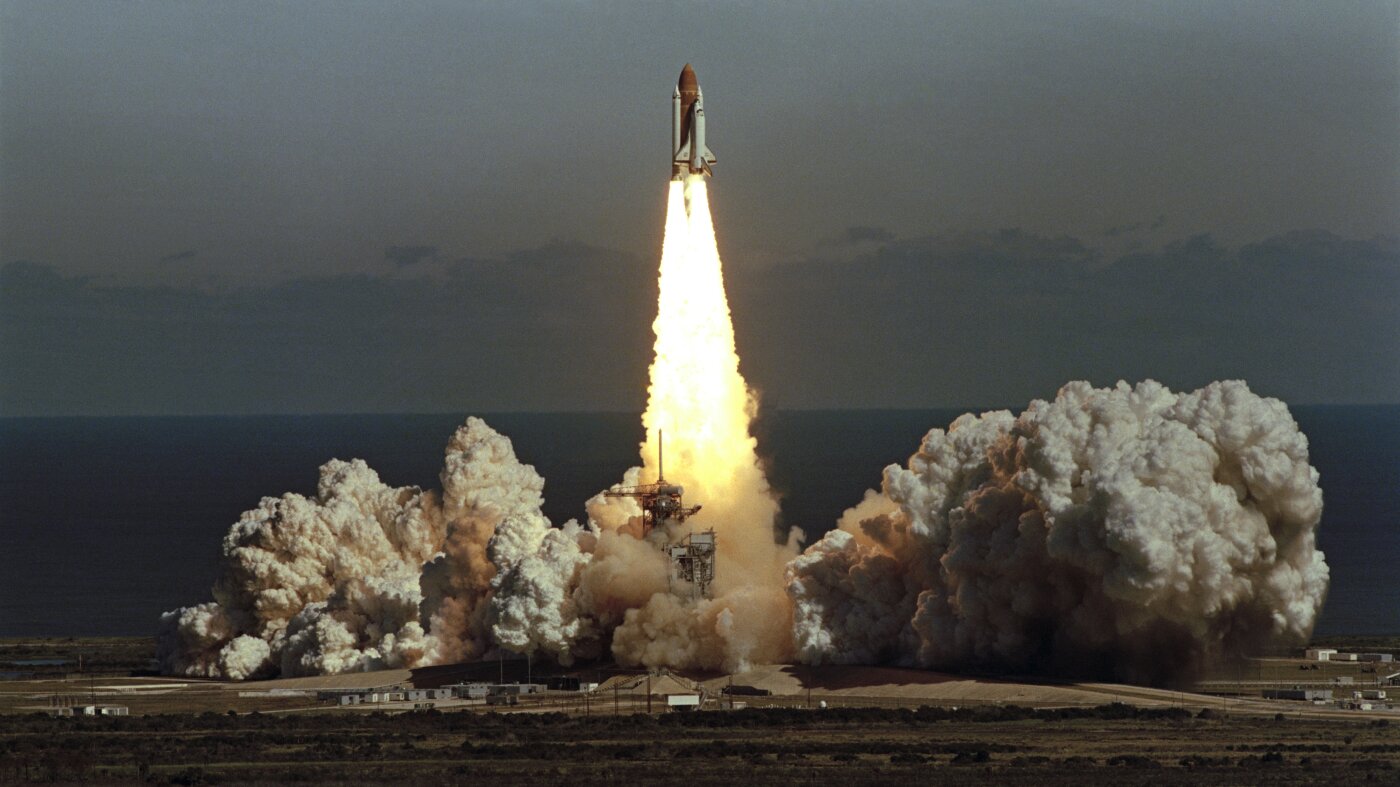
On January 28, 1986, the Challenger space shuttle tragically exploded just after liftoff from Kennedy Space Center. This disaster not only shocked the nation but also raised crucial questions about safety protocols and decision-making in aerospace engineering.
Bob Ebeling, a Morton Thiokol engineer, felt an intense sense of dread that morning. He knew the frigid temperatures posed a serious risk. His daughter recalls him saying, “The Challenger’s going to blow up. Everyone’s going to die.” Ebeling and other engineers had warned about the dangers of launching in cold weather; they understood the O-rings in the shuttle’s booster rockets would likely fail.
Despite their warnings, Thiokol management initially recommended a launch delay. However, when pressed by NASA officials who were eager to proceed after multiple launch delays, they reversed their decision. Ebeling felt helpless. He later stated, “I should have done more.”
The Challenger disaster stemmed from a design flaw in the shuttle’s booster rockets. The O-rings that sealed their joints were vulnerable to cold temperatures. Despite past warnings, NASA continued launching shuttles, a phenomenon known as the “normalization of deviance,” where risks became acceptable simply because no disaster had occurred yet.
Five days before the launch, the crew included Christa McAuliffe, a teacher excited to share her experience in space. Her participation was meant to rekindle interest in the shuttle program. However, that day became a national tragedy.
The launch countdown proceeded despite objections, culminating in a catastrophic failure mere seconds after liftoff. This led to a slew of investigations. A presidential commission revealed that key figures at NASA were unaware of Thiokol engineers’ concerns, leading to system failures in communication.
Historically, this disaster was among the worst in U.S. space history. In its wake, NASA reassessed how launch decisions were made, aiming to ensure that engineer concerns would never again be overlooked.
In recent discussions, Michael Ciannilli, a former NASA official, emphasized the importance of ethical decision-making in aerospace. He noted, “We honor dissenting opinion,” highlighting the need for engineers to voice concerns in high-pressure environments.
The lessons from the Challenger disaster continue to resonate. Engineers like Brian Russell work to foster an environment where safety takes precedence over pressure to launch. Reflecting on Ebeling’s regrets, the sentiment remains: safety must always come first.
This tragedy isn’t just a part of history but a constant reminder to the aerospace community of the crucial balance between ambition and safety.
Source link
