
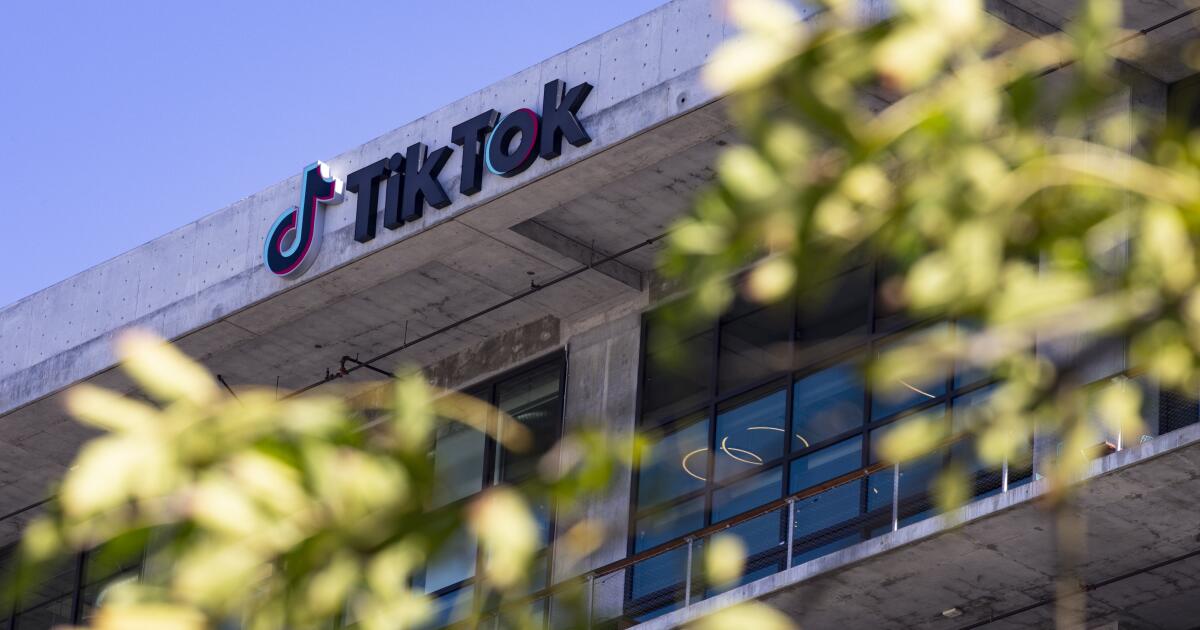
TikTok recently settled a major product liability case just before a trial that could change how social media companies interact with young users. This settlement comes after another agreement between Snap and a woman who claims she became addicted to social media in elementary school.
Sacha Haworth, from the Tech Oversight Project, remarked that there’s much more to uncover in this issue. “This is just the start. Many parents and schools are taking Big Tech to court over the harm their products cause,” she said.
While TikTok is stepping back, Meta (Instagram’s parent company) and YouTube are still facing claims that their platforms intentionally hook kids, ignoring dangers like bullying and negative mental health effects. Currently, around 2,500 similar cases are moving through courts, making the outcome of this trial crucial for shaping future regulations.
Social media companies have some legal protection. The 1st Amendment and Section 230 limit their liability for user-generated content. However, attorneys representing the Chico plaintiff claim these platforms are designed to keep children engaged, regardless of the risks they pose.
Jurors will soon decide if the risks of social media are inherent. It’s a notable time as many parents and experts increasingly see social media as detrimental. The rising discontent has led to a change in how schools handle device usage. In California, for example, phones are banned in public schools, and many private institutions have strict social media rules.
Recent studies reveal alarming trends. According to the Pew Research Center, nearly half of teens feel that social media negatively impacts their lives, affecting their sleep and grades. A concerning body of research links social media usage to rising suicide rates, particularly among teenage girls.
K.G.M., the initial plaintiff, started using YouTube at age 6 and engaged with Instagram at 9. By 13, she was overwhelmed by her online presence, facing bullying and inappropriate messages. “I believe that social media has changed the way her brain works,” her mother noted in court filings, describing K.G.M.’s intense attachment to her phone.
The responses from her family highlight the deep impact of social media addiction. K.G.M.’s experiences echo those of many young users today. With research showing that about 85% of children under 12 watch YouTube and nearly half do so daily, these patterns are concerning.
Comparisons have been made between the fight against social media misconduct and the battles against Big Tobacco and the opioid crisis. However, proving social media addiction is challenging because it’s not a formally recognized diagnosis. Heather Bergman, a lawyer representing affected families, stresses the companies’ conscious decisions to prioritize profit over child safety.
In a world where social media is ingrained in daily life, the outcomes of these cases could set significant precedents for how tech giants are held accountable. As the trial unfolds, it reflects a crucial moment in our collective understanding of technology and its impact on the younger generation.
For more insights on social media’s impact on youth, check out the Pew Research Center for updated studies and findings.
