
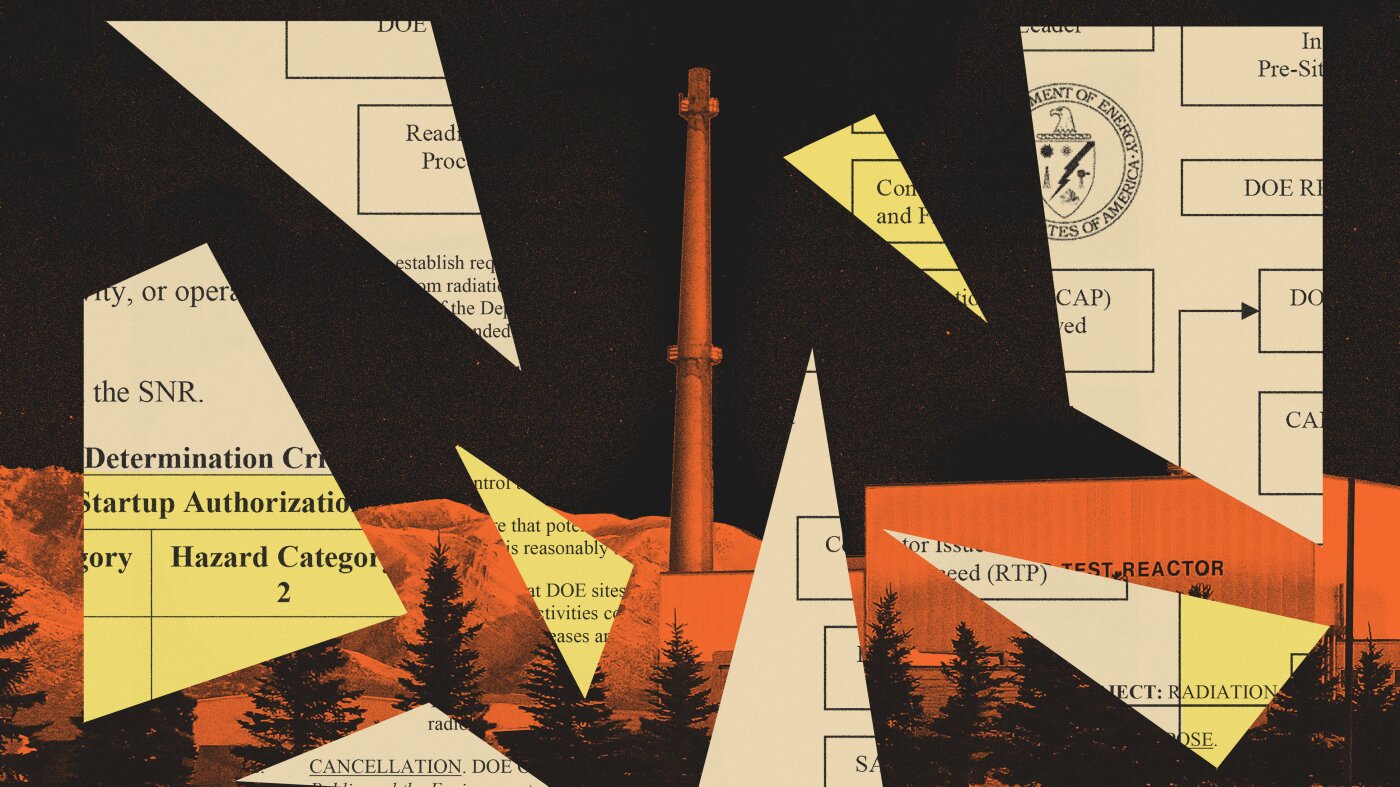
Recently, major changes were made to nuclear safety rules. The changes, part of a push to develop new nuclear reactors, weren’t shared publicly until now. These decisions were made by the Trump administration at the Department of Energy (DOE) to speed things up.
The push involves building at least three experimental nuclear reactors by July 4. However, the new rules remove a lot of safety, environmental, and security measures. Over 750 pages of strict requirements were cut down significantly. For example, rules that protected groundwater and limited worker radiation exposure were relaxed.
Today, Small Modular Reactors (SMRs) are gaining support from big investors, including tech companies like Amazon and Google. They believe these reactors could offer reliable power for future technologies, particularly artificial intelligence.
However, some experts are worried. Christopher Hanson, a former chair of the Nuclear Regulatory Commission, expressed concerns about the lack of public insight into these changes. He stressed that trust is crucial for the future of nuclear energy. Edwin Lyman from the Union of Concerned Scientists warned these cuts might lead to safety issues, drawing parallels to past nuclear accidents.
The DOE maintains that safety remains a top priority. But critics argue that changes were made too swiftly and in secret. For instance, the standard “As Low As Reasonably Achievable” (ALARA) for radiation exposure was taken away. This means workers might be exposed to higher levels of radiation, which experts say could lead to potential risks.
Additionally, civil protections were weakened. Language shifted from “must” to “should,” indicating a major loosening of regulations. Experts believe this could pave the way for more environmental hazards.
These safety changes are not just administrative; they could have real-world effects. Some critics argue that by cutting these rules, the government is making companies less accountable. For example, discharging radioactive waste into sewers, which was once prohibited, is now merely discouraged.
In conclusion, while the DOE aims to modernize nuclear power, many experts believe these changes threaten public safety and environmental integrity. As the industry evolves, greater transparency and public engagement will be essential to build trust and ensure responsible development. After all, the stakes are incredibly high when it comes to nuclear energy.
