
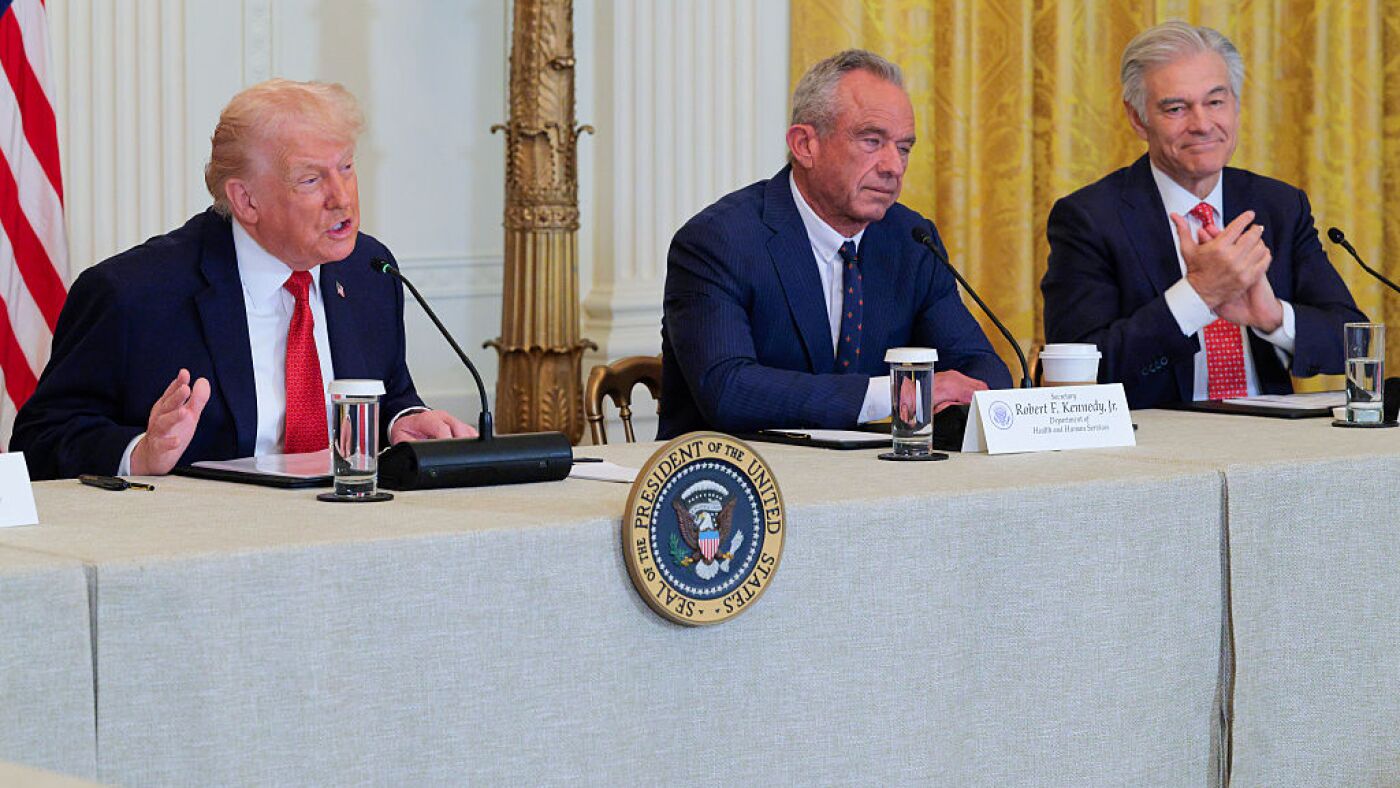
A new initiative is transforming healthcare in rural America. The Trump administration recently announced a $50 billion program aimed at revitalizing rural health services over the next five years. This investment is part of the Rural Health Transformation Program, designed to address the healthcare disparities faced by rural communities.
Dr. Mehmet Oz, head of the Centers for Medicare and Medicaid Services, emphasized the urgency of this initiative. He noted that a person’s zip code often predicts life expectancy, highlighting significant health inequalities. Studies confirm that people in rural areas tend to live shorter lives than those in urban settings, and this gap has widened over the past three decades.
Congress put this funding into place after recognizing a crisis in rural healthcare; nearly 200 rural hospitals have closed since 2005, with hundreds more at risk. States received just under two months to propose their action plans for utilizing these funds. Each state is guaranteed at least $100 million annually, with additional money allocated based on specific needs and proposals.
The reaction from political leaders is largely positive, but some health experts argue that this temporary funding is not enough. For instance, Kevin Bennett, director at the Center for Rural and Primary Healthcare at the University of South Carolina, pointed out that these funds are a step forward, yet they fall short of what’s truly needed for lasting change.
Interestingly, the funding designed to support rural health comes amidst significant cuts to federal Medicaid spending, which could affect rural areas disproportionately. The Kentucky Health Foundation predicts that $137 billion in cuts will impact rural healthcare over the next decade, dwarfing the new rural health fund.
States have various plans for utilizing the funds, focusing on innovations like telehealth, workforce development, and new medical education initiatives. For example, Delaware plans to establish a new medical school, while Alaska will invest in housing for healthcare workers. Many states aim to create more residency opportunities for new doctors.
Moreover, as states start implementing their plans, they are required to adopt specific health policies, with potential financial incentives tied to their compliance. For instance, they could face reduced funding in the future if they do not adhere to guidelines set by the federal government.
In summary, while the Rural Health Transformation Program marks an important effort to address rural health disparities, many experts believe that more comprehensive measures are necessary for real change. The success of this program will hinge not only on how well states execute their plans but also on addressing the long-term challenges that plague rural healthcare systems.
For more detailed information about rural health investments, check the official CMS announcement.
