
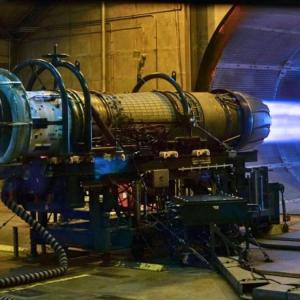
Russia is quietly developing a new plasma propulsion system that might change space travel, specifically to Mars. This technology, if successful, could reduce the journey time from several months to just one or two months. The Troitsk Institute, part of Russia’s state nuclear corporation Rosatom, is behind this engine. They plan to have a version ready for space by around 2030.
### A Fresh Approach to Propulsion
Unlike traditional chemical rockets that rely on burning fuel, this system uses electromagnetic fields to speed up charged hydrogen particles. This method falls into the category of electric or plasma propulsion, which is gaining traction globally as space agencies look for efficient ways to explore deeper into our solar system.
Chemical rockets perform well for short bursts of high thrust needed for takeoff but are less efficient for longer journeys. Plasma engines, on the other hand, produce less thrust but can operate for extended periods. This means they can gradually reach higher speeds while using significantly less fuel.
If Russia’s new system lives up to its promises, it could shape future Mars missions, impacting both scientific exploration and potential military applications.
### Current Testing and Claims
The prototype engine is undergoing tests in a 14-meter vacuum chamber that mimics space. According to reports, it operates at 300 kilowatts and has already shown a lifespan of 2,400 hours—enough for a full Mars mission. The engine is said to accelerate charged particles, reaching speeds of up to 100 kilometers per second. In contrast, traditional chemical rockets typically achieve speeds around 4.5 kilometers per second. This remarkable difference could translate into significant efficiency gains.
### Usage in Space
This plasma engine won’t launch spacecraft directly from Earth. A conventional rocket would first bring the spacecraft into low Earth orbit, where the plasma engine would kick in for the journey through space. It could also serve as a space tug to move satellites or cargo between different orbits.
### The Role of Nuclear Power
The engine uses hydrogen and relies on a nuclear reactor for a steady energy supply. Researcher Yegor Biryulin notes that hydrogen’s low atomic mass allows for faster acceleration and better fuel efficiency. Interestingly, the potential for in-space refueling is also being considered.
The propulsion system employs two high-voltage electrodes to direct the plasma flow, which creates a magnetic field that generates thrust. This avoids the need for extreme temperatures, helping to improve efficiency and decrease wear on the components.
### Challenges Ahead
While plasma propulsion has been used successfully in satellites, such as NASA’s Psyche mission, many questions remain. The Russian engine’s claimed speeds would be a significant enhancement, but the technology is still unproven in space. There’s a lack of peer-reviewed scientific data, and details about the nuclear reactor are under wraps. Such nuclear-powered spacecraft face complex safety and regulatory challenges, especially during launches.
Despite the excitement, the engine’s practical use is years away. Its projected readiness for real-world applications hinges on continued testing and overcoming engineering hurdles.
This development in propulsion might not only speed up missions to Mars but also pave the way for more advanced exploration of other celestial bodies, making our universe more accessible than ever.
For more insights on plasma propulsion and related technologies, check reputable sources like NASA or industry reports to stay updated on the latest advancements.
Source link
plasma propulsion, Photo Courtesy, chemical rockets, plasma engine, solar system, Mars mission
