
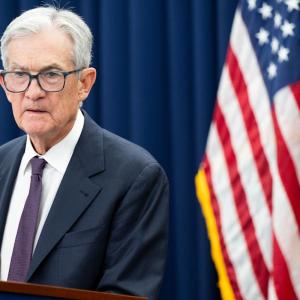
Federal Reserve Chair Jay Powell recently shared his thoughts on how artificial intelligence (AI) is shaping the U.S. economy. In an interview, he acknowledged the excitement and uncertainty surrounding AI. Many people are curious about its effects, but there’s no straightforward answer.
Powell pointed out that every technological change brings both job losses and new opportunities. He noted that looking back at history, whenever new technology emerged, it disrupted things but ultimately boosted productivity, which helps raise wages.
However, he also mentioned that some jobs are currently being lost due to AI. For example, recent data suggests a drop in hiring rates for recent college graduates could be linked to this technology. Yet, Powell emphasized that AI isn’t the sole reason for this trend.
Notably, many large companies are either slowing down their hiring processes or even laying off employees while citing AI as a factor. There’s a sense of anticipation about the significant changes AI could bring to the economy, the job market, and society as a whole.
Experts are trying to grasp these changes. According to a recent study by McKinsey, AI could potentially add $13 trillion to the global economy by 2030, indicating its massive impact. However, there’s a downside—an estimated 20 to 30 percent of jobs could be displaced.
Social media is buzzing with mixed feelings about AI’s impact. Some users express worry about job security, while others celebrate the efficiency and innovation it brings. This conversation highlights the broader societal implications of adopting AI technology.
As we move forward, it’s essential to keep observing and analyzing these trends. Understanding AI’s effects can help us navigate the changes it brings. For more insights on job markets and technology, you can check out resources from the Bureau of Labor Statistics.
In summary, while the excitement around AI is palpable, so are the concerns. Like past technological waves, this one is likely to bring challenges and opportunities alike.
Source link
Fed, Federal Open Market Committee, President Trump, Jennifer Schonberger, interest rates, Chris Waller, Scott Bessent
