
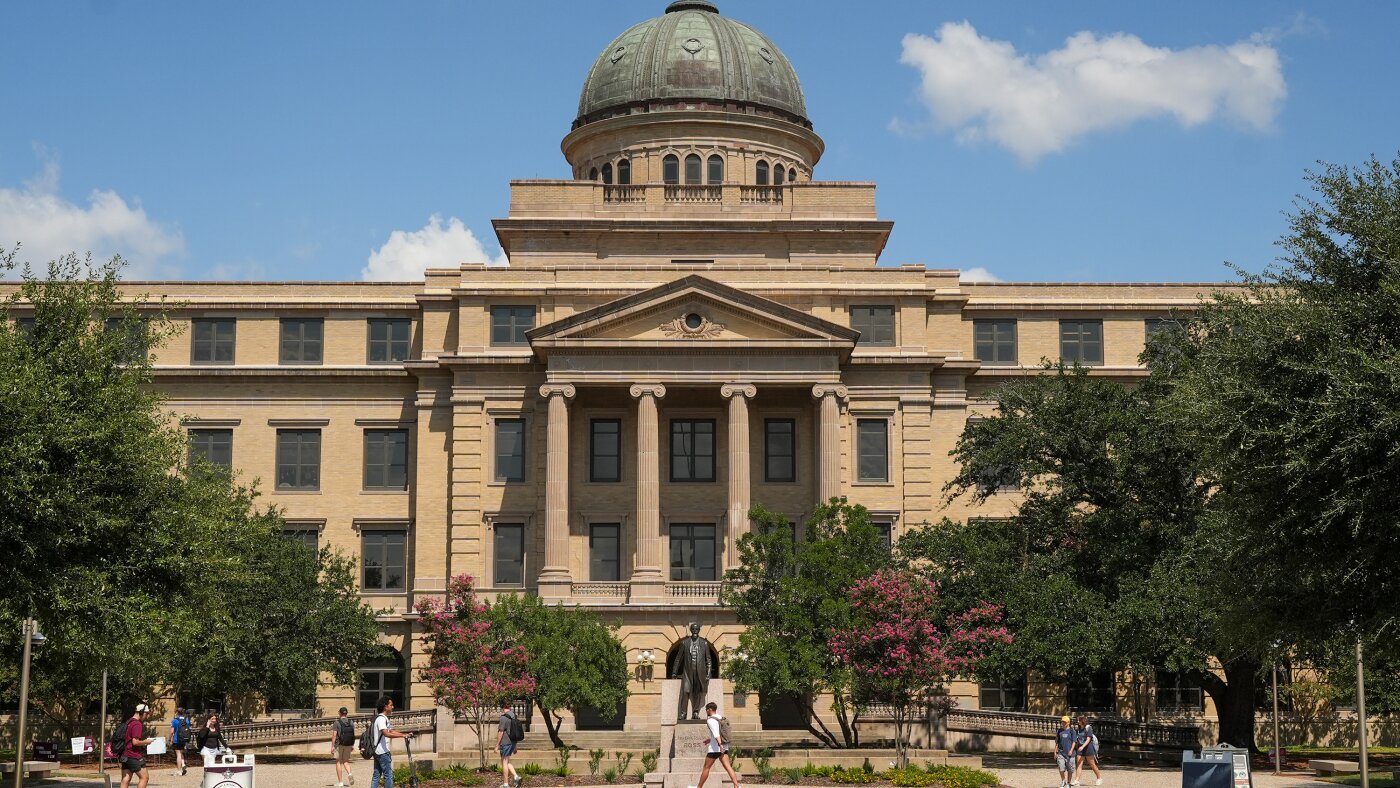
Texas A&M University recently decided to close its women’s and gender studies programs. This change is part of a larger effort to shift focus away from diversity, equity, and inclusion (DEI) in educational settings.
The university cited a new policy that restricts teaching on race or gender ideology and related topics unless approved by the campus president. They also mentioned low student enrollment in the program as a reason for the closure.
Interim President Tommy Williams stated the changes aim to “protect academic integrity and restore public trust.” He emphasized that this focus will continue as they move forward.
However, not everyone agrees with this decision. Ira Dworkin, an associate professor at Texas A&M, criticized it as political interference. He believes this move undermines important research and teaching in women’s studies. “It’s a travesty to let politics dictate what students can study,” he said.
On the other side, some supporters of the closure argue that universities should not promote programs that they view as biased. Inez Stepman from a conservative think tank proclaimed, “The era of woke activism training camps is over. If these programs want to exist, they should fund themselves.”
This trend isn’t unique to Texas A&M. Other universities, such as the University of Iowa and Wichita State University, have made similar cuts to women’s studies programs due to low interest. The National Women’s Studies Association recently expressed concern about this trend, stating they are “saddened and frightened about the current state of the field.”
In a survey by Inside Higher Ed earlier this year, nearly 60% of educators reported feeling pressure to avoid certain topics in their teaching. This reflects a growing concern over academic freedom in American universities.
As we look at these changes, it’s clear they touch on broader societal debates about education, political influence, and student choice. The outcome remains uncertain, but the discussion is sure to continue. For more insights on this topic, you can read the Texas A&M University policy details here.
