
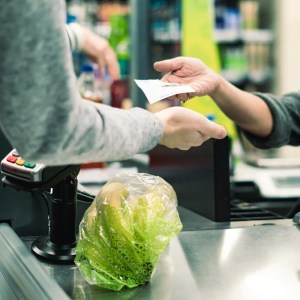
In Georgia, many people are finding it tough to pay for groceries as prices continue to rise. Food pantries are also feeling the strain. Erica Barker, a resident from the Atlanta area, shared that she spends between $800 and $1,200 a month on groceries for her family. Yet, even that is not enough. To cope, she visited a food bank for the first time.
The demand for food assistance has surged. The Area in Need Missionary House, a local nonprofit, is seeing nearly double the number of people needing help compared to last year. Executive Director Stephanie Jordan noted that a recent government shutdown affected the Supplemental Nutrition Assistance Program (SNAP), stretching their resources thin. “We’re spending more money than we ever have on food because that’s the need now,” she explained. A staggering 30% price increase per unit has even forced her organization to tap into housing support funds just to keep food available.
Food banks are crucial, not just for providing meals, but also for tackling food waste. In the U.S., nearly 40% of food, a lot of which is still edible, ends up in landfills. This contributes to air pollution and wastes valuable resources, as highlighted by Feeding America.
To combat rising food costs and excess inventory, companies like Martie are stepping up. They buy surplus shelf-stable items from well-known brands and resell them for significant discounts, sometimes up to 80% off. This helps families save money while also addressing food waste.
Many users on Reddit are sharing their positive experiences with Martie. One mentioned, “I’ve shopped with Martie for years and have seen their inventory increase.” Another noted they found healthy, diabetic-friendly products at low prices.
The struggle with rising food prices is not just an individual issue; it reflects broader economic challenges. According to a recent survey, almost 70% of Americans are concerned about food prices, with many adjusting their buying habits to cope.
In summary, as the cost of living continues to rise, both individuals and nonprofits must adapt. Whether through food banks or discount grocery services, finding ways to meet basic needs is becoming increasingly vital.
Source link
Stephanie Jordan, the Guardian, Supplemental Nutrition Assistance Program
