
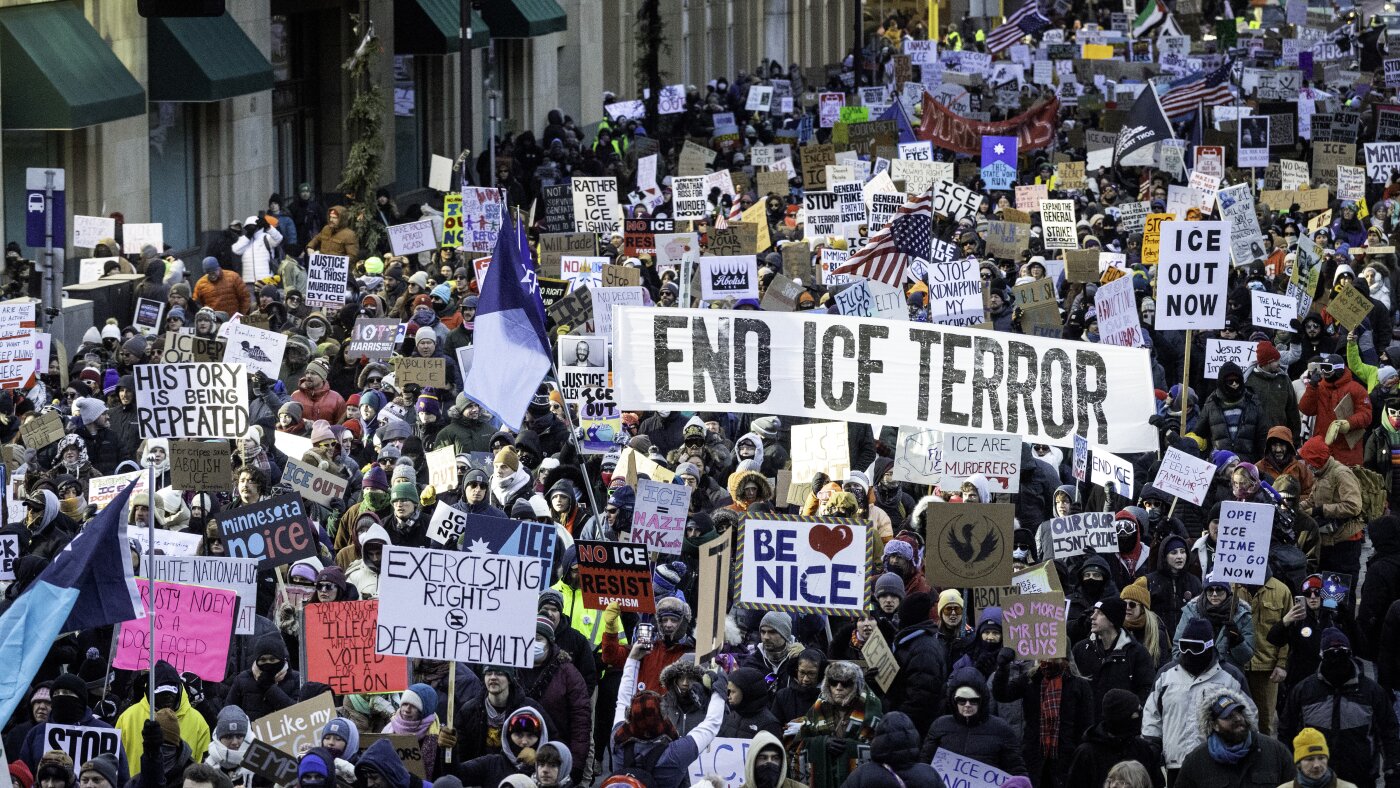
In recent months, many Americans have begun boycotting tech giants like Netflix, Uber, and Amazon. This movement, called “Resist and Unsubscribe,” is driven by concerns over the companies’ ties to the government’s immigration policies under Trump’s administration.
People like Brittany Trahan from Portland have opted for DVDs instead of streaming, while Lisa Shannon prefers public transit over Uber. They believe that financial pressure can make a difference when protests seem to go unheard. “Money is a problem for this administration,” Shannon said. She and others hope that their choices will impact these companies.
The campaign was launched by Scott Galloway, a podcaster and marketing professor at New York University. Frustrated by a perceived lack of response to protests, he created a website listing companies linked to U.S. Immigration and Customs Enforcement (ICE). Galloway believes that when consumers stop spending, it sends a strong message. As he stated, “The most radical act you can perform in a capitalist society is non-participation.”
A few weeks into the boycott, Galloway’s website saw around 250,000 unique visitors, indicating growing interest in the movement. The effort is a response to tragic incidents, like the shooting of U.S. citizens by federal immigration officers in Minneapolis, which have heightened scrutiny of these businesses.
Experts like Lucy Atkinson from the University of Texas suggest that successful boycotts usually happen when viable alternatives exist. This might be tougher with companies like Amazon, which dominate the market. Yet, taking a break from these services could encourage people to seek out local businesses, as seen with Brian Seymour II from Georgia. He noticed new shops in his area after canceling his subscriptions.
Consumers have various reasons for participating. For instance, Shannon, who also canceled her HBO Max account, felt compelled to act against a platform funding a documentary about Melania Trump. Meanwhile, others have discovered that they can enjoy life without some of their subscriptions. Jake Ward from Colorado said he felt no loss from canceling services like Netflix and Hulu.
While it’s still early to gauge the impact of this boycott, it raises important questions about consumer power. Galloway acknowledges that one month may not be enough to create significant change but believes in empowering individuals to make their own choices.
In a time when many feel their voices aren’t being heard, participating in these boycotts allows people to express their beliefs through their wallets. Whether or not this movement will lead to long-term change remains to be seen, but for many, it has already sparked new conversations about the power of consumerism in shaping policy.
For more on the topic, check out this report on recent boycotts.
