
Addressing the Water Workforce Shortage
California’s water agencies are facing two tough challenges: the impact of climate change and an aging workforce. Many workers, mainly baby boomers, are nearing retirement, creating a gap that could affect water supply and safety.
About one-third of the nation’s water workforce is set to retire in the next decade. This includes key positions in water treatment and distribution, as noted by a recent report from the Environmental Protection Agency.
Climate Change and Infrastructure Needs
The increasing severity of droughts and unpredictable rainfall demands robust infrastructure. California’s water agencies are investing heavily in upgrading systems and diversifying water supplies. For example, Los Angeles is pouring billions into water recycling and stormwater capture. However, they’re struggling to find enough skilled workers for wastewater treatment plants.
At the Hyperion plant in L.A., operations director Hi-Sang Kim has emphasized the need for a workforce boost of at least 30% to handle future demands.
Rural areas face an even steeper challenge. The Eastern Municipal Water District, which serves nearly 1 million people, estimates that up to half of its workforce could retire within five years.
The Skills Gap
Joe Mouawad, the general manager of Eastern Municipal Water District, has raised concerns over the lack of technical skills needed to maintain essential operations. Despite decent pay and job security, filling these roles remains tough. Many young people are unaware of the opportunities available in the water sector.
The water industry requires a range of positions—water treatment operators, engineers, and maintenance staff. According to Mouawad, the problem isn’t a lack of interest, but rather a lack of awareness about these careers.
Building a Sustainable Workforce
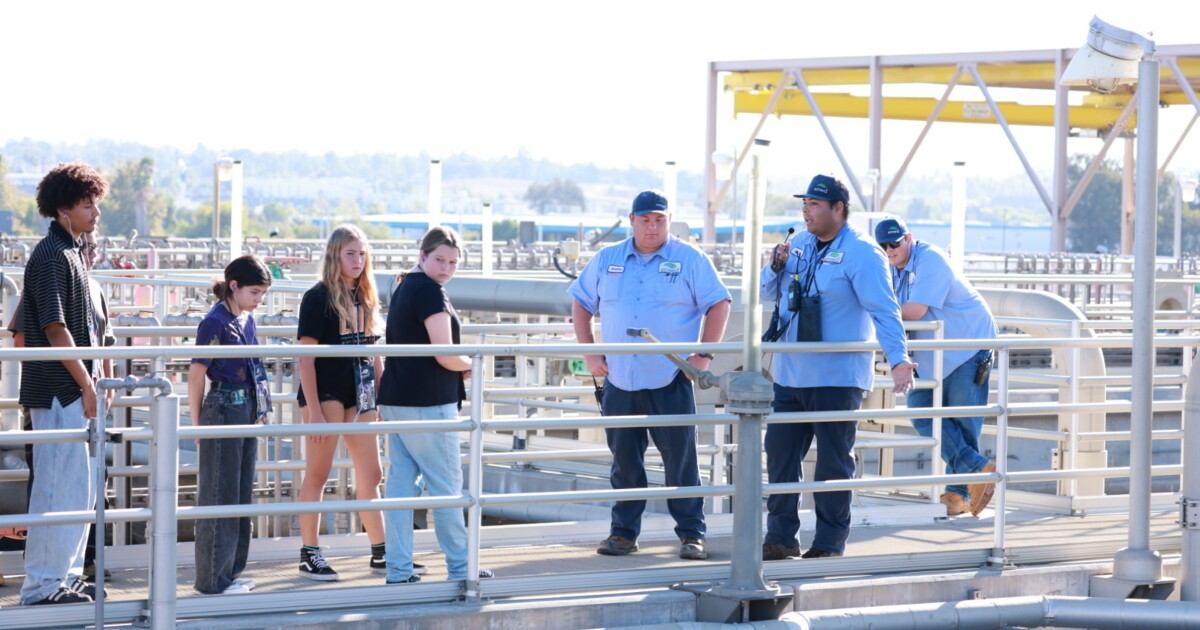
To tackle this issue, the Eastern Municipal Water District has initiated various educational programs aimed at creating a pipeline for future employees. They started the Youth Ecology Corps in 2013, offering internships and training for young adults aged 18 to 24. Many participants have now secured full-time positions.
Recent partnerships with local high schools also focus on Career and Technical Education programs, covering fields such as engineering and environmental science. Michelle Serrano, a teacher at West Valley High School, highlighted that students are leaving her two-year Environmental Water Resources program ready to take state certification exams.
More than 200 students have already benefited from the program since its launch. This initiative is the first to specifically target high schoolers in the region, with plans to expand further.
A Look Ahead
As these educational pathways take shape, they provide crucial opportunities for students who may not envision a traditional college route. Programs like these equip young people with skills for stable, meaningful jobs in an essential sector.
“This is a gamechanger for students,” Serrano said, referring to the promising careers that emerge from these programs. Mouawad believes that this model can inspire similar initiatives across the country, reinforcing the importance of a skilled workforce in the water industry.
In conclusion, as California navigates its dual crisis of climate change and workforce shortages, building a robust pipeline of talent will be critical for the future of its water supply.
Source link
climate change,job,los angeles,riverside county,wastewater,water,water recycling,workforce
