
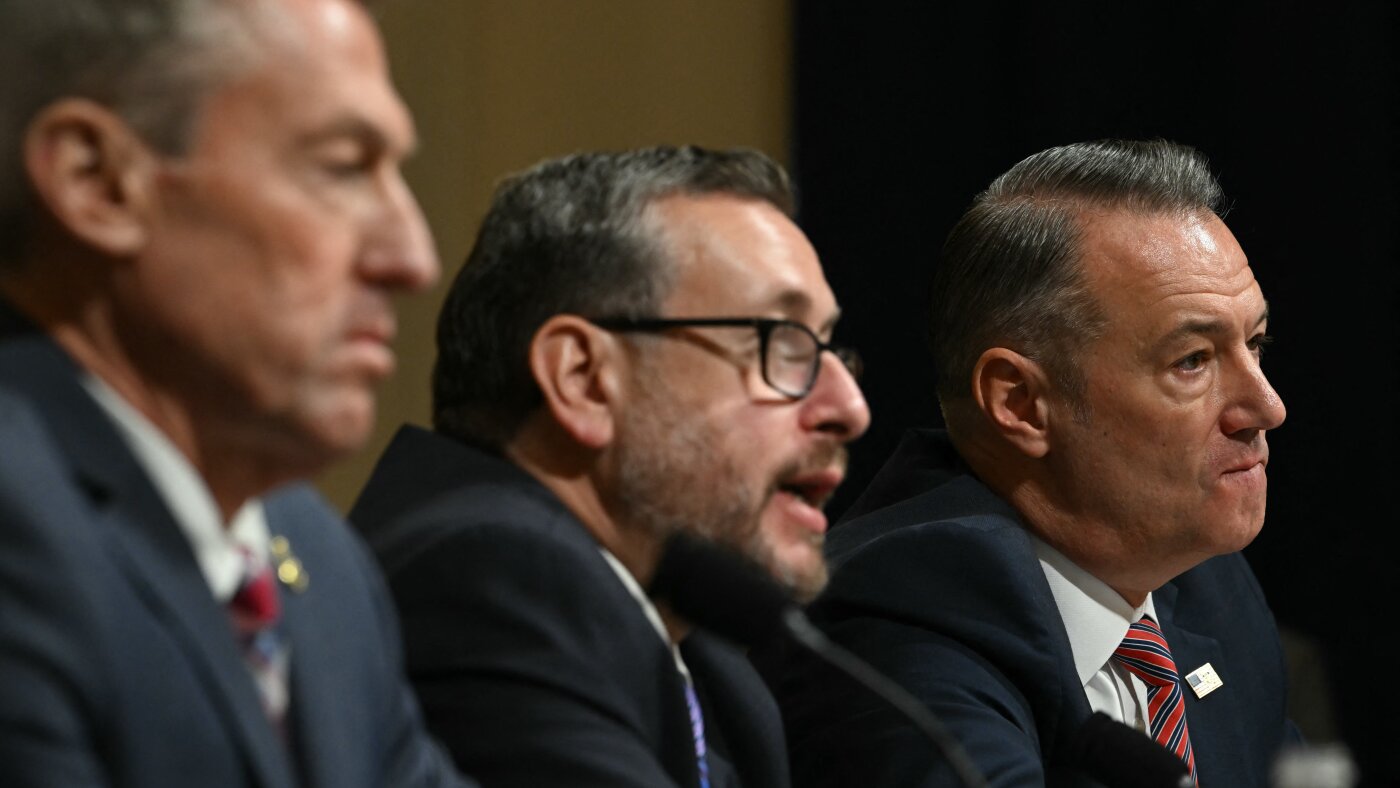
Immigration enforcement continues to stir debates in Congress, especially after two U.S. citizens were killed by federal officers in Minneapolis. These tragic events brought leaders from key immigration agencies to testify in front of the House Homeland Security Committee. Their testimonies raised tough questions about current enforcement strategies and the overall safety of communities.
Both Democratic and Republican lawmakers expressed concerns about the tactics used by immigration officers. “The safety of law enforcement and the communities they serve must always come first,” said Rep. Andrew Garbarino, a Republican. He emphasized the need for thorough investigations into the incidents while calling the deaths of Renee Macklin Good and Alex Pretti “unacceptable and preventable.”
Acting ICE Director Todd Lyons faced pointed questions regarding the agency’s conduct. Despite the pressure, he refrained from commenting on ongoing investigations about the shootings. Instead, he stated that U.S. citizens shouldn’t have to worry about being caught up in immigration enforcement, assuring Congress that officers are trained to respect the law. However, attorney generals in several states, including Minnesota, reported that U.S. citizens have been wrongfully detained in the past, reflecting ongoing concerns about enforcement practices.
Training and oversight for immigration officers also drew scrutiny. Lyons revealed that ICE agents undergo three months of training, including a significant portion at the Federal Law Enforcement Training Academy. But some lawmakers criticized the adequacy of this training as well as the oversight mechanisms in place.
Interestingly, both sides of the aisle raised questions about the use of roving patrols—an issue that has sparked bipartisan concern. Critics from both parties argued that immigration enforcement should be primarily focused along the border, rather than deep within major cities.
Alongside all the discussions about enforcement and training, the issue of body cameras for immigration officers emerged. Currently, ICE has about 3,000 cameras for 13,000 agents, and there’s a push for expanding this program. Transparency in enforcement actions is vital, especially following high-profile incidents that undermine public trust in federal agencies.
Statistics also shed light on public sentiment. A recent NPR/PBS News/Marist Poll indicated that around 65% of respondents feel ICE has gone too far in enforcing immigration laws. This includes an overwhelming 93% of Democrats who share that sentiment, compared to only 27% of Republicans.
As discussions continue, it’s evident that the division over immigration policy remains significant. Some lawmakers are advocating for comprehensive immigration reforms, which could include redefining the role of agencies like ICE and Customs and Border Protection (CBP).
In summary, the recent congressional hearing highlighted pressing issues concerning immigration enforcement in the U.S. From the deaths of two citizens to concerns over the training and conduct of federal officers, the need for a thoughtful and balanced approach is clear. Policymakers are grappling with how to best ensure safety while respecting the rights of all individuals. The journey to reform immigration policy is complex and fraught with challenges, but public awareness and dialogue are essential steps in shaping a fairer system.
Source link
