
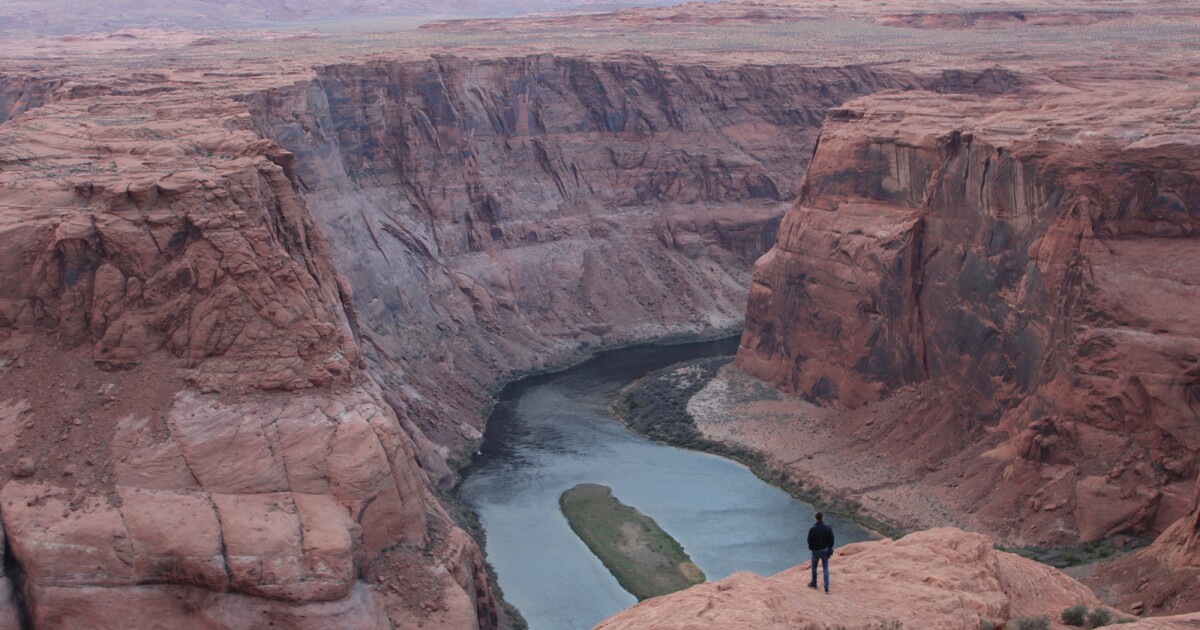
States relying on the Colorado River missed a key deadline for new water-sharing rules. This comes as the river faces a serious decline due to climate change, affecting nearly 40 million people across seven states. Negotiations have stalled for almost two years, causing frustration among officials.
Federal authorities set a mid-February deadline for these discussions, but states couldn’t reach an agreement. “The negotiations are extremely frustrating,” said John Entsminger, Nevada’s water negotiator. The ongoing talks have divided states into two camps. The Lower Basin states—Arizona, California, and Nevada—are ready to make cuts. In contrast, the Upper Basin states—Colorado, Utah, Wyoming, and New Mexico—remain resistant.
Arizona’s water negotiator voiced dissatisfaction with the process, stating, “Arizona and its Lower Basin partners have offered numerous good-faith compromises, which have mostly been rejected.” If an agreement isn’t reached by October, the federal government is likely to step in with its own rules, which could lead to lawsuits. State leaders are eager to find a resolution before it reaches that point.
The debate centers on which states should bear the burden of water cutbacks. Upper Basin states argue they face natural fluctuations and should use less water when their reservoirs drop. They feel the Lower Basin benefits from consistent water deliveries and doesn’t share the same risks. Becky Mitchell, Colorado’s lead negotiator, stated, “We’re being asked to solve a problem we didn’t create with water we don’t have.”
Recent statistics highlight the urgency of the situation. According to forecasts from the Bureau of Reclamation, low snowfall this winter may drive water levels at Lake Powell dangerously low. If conditions don’t improve, the lake could be unable to generate hydropower as soon as this July. Projections warn of a potential shutdown of hydropower turbines by December 2026 if current trends continue.
To avoid worsening the crisis, Arizona’s Buschatzke believes that outside pressure could motivate negotiators to compromise. He suggests that governors from the river states could play a crucial role in moving things forward. Farmers, city officials, and environmental groups all have a stake in this issue and could push for a fair resolution.
As this situation develops, the stakes remain high for everyone who depends on the Colorado River, making it essential to find a balanced solution that preserves this vital resource.
