
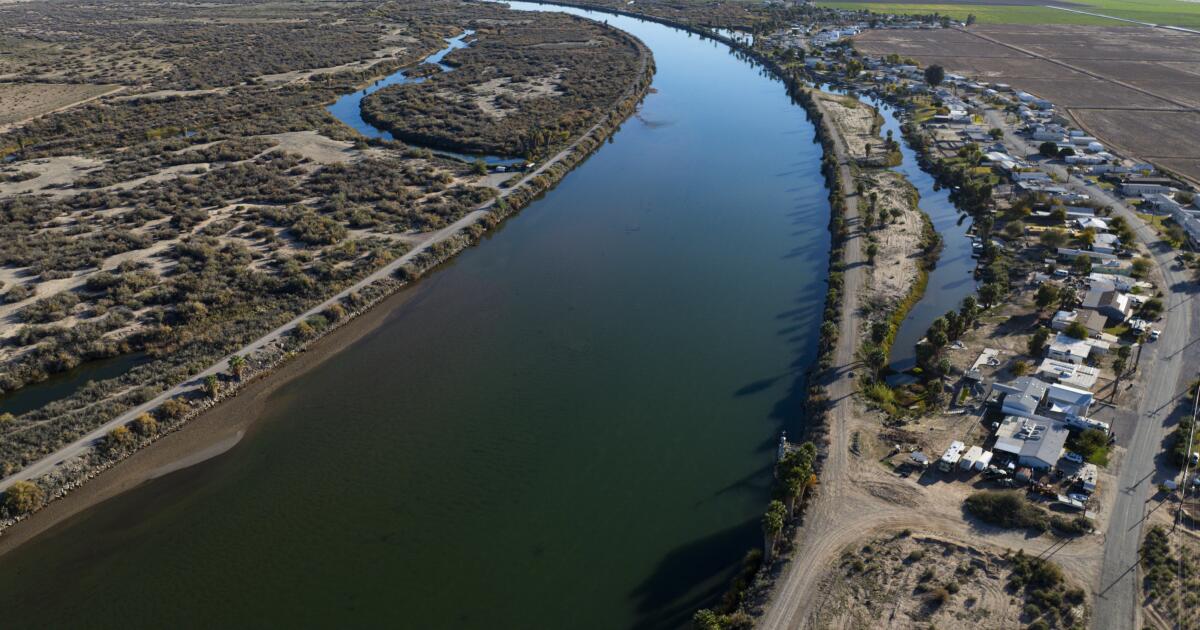
The leaders of seven states have not been able to reach an agreement on how to share the dwindling waters of the Colorado River. This is a major problem for the Southwest, as the region faces ongoing water shortages, and the reservoirs continue to decline in capacity.
Former U.S. Interior Secretary Bruce Babbitt, who served under President Clinton, suggests it might be time for a fresh start. He believes the current effort isn’t working and that Interior Secretary Doug Burgum should reconsider his approach. Instead of forcing harsh water cuts, Babbitt recommends extending existing agreements for another five years while developing new, collaborative agreements.
For over two years, these states have tried to find a way to raise reservoir levels through voluntary cutbacks and federal payments to farmers who agree to keep some fields dry. Unfortunately, these negotiations have stalled, and the current rules will expire soon. The states missed a previous federal deadline last November, hinting at the growing difficulty of reaching consensus.
Babbitt argues that the Trump administration’s options are too limited. He thinks the proposed cuts would unfairly affect Arizona, California, and Nevada without addressing the water needs of four other states: Colorado, Utah, Wyoming, and New Mexico. He urges for a more inclusive approach that involves all states.
The Colorado River is critical. It serves about 35 million people and irrigates 5 million acres of farmland, stretching from the Rocky Mountains to northern Mexico. California is the largest water consumer, but it has made significant cuts in recent years.
Drought, worsened by climate change, has severely reduced the river’s water flow. Recent warm winters have led to low snowpack in the Rockies, further threatening the water supply. Currently, Lake Mead is only 34% full, while Lake Powell sits at 26%.
California Governor Gavin Newsom, in a joint statement with Arizona and Nevada’s leaders, emphasized the need for all states to bear the responsibility of conservation. JB Hamby, California’s chief negotiator, noted that without firm commitments from all states, progress will be slow.
While Upper Basin states argue they’ve already made substantial compromises, they point out that downstream states are expecting more water than is available.
The U.S. Bureau of Reclamation warns that this year’s runoff into Lake Powell could be so low that it may affect the electricity generation at Glen Canyon Dam. As the Interior Department works on new rules, they plan to finalize these by October and are eager for public feedback.
In summary, unresolved conflicts over the Colorado River highlight a complex balancing act among states, climate change, and the need for sustainable water management. Expert voices like Babbitt advocate for new solutions, while states continue to navigate the tough terrain of shared resources. Ultimately, cooperation and fresh ideas will be essential for the future of the river and those who depend on it.
Source link
