
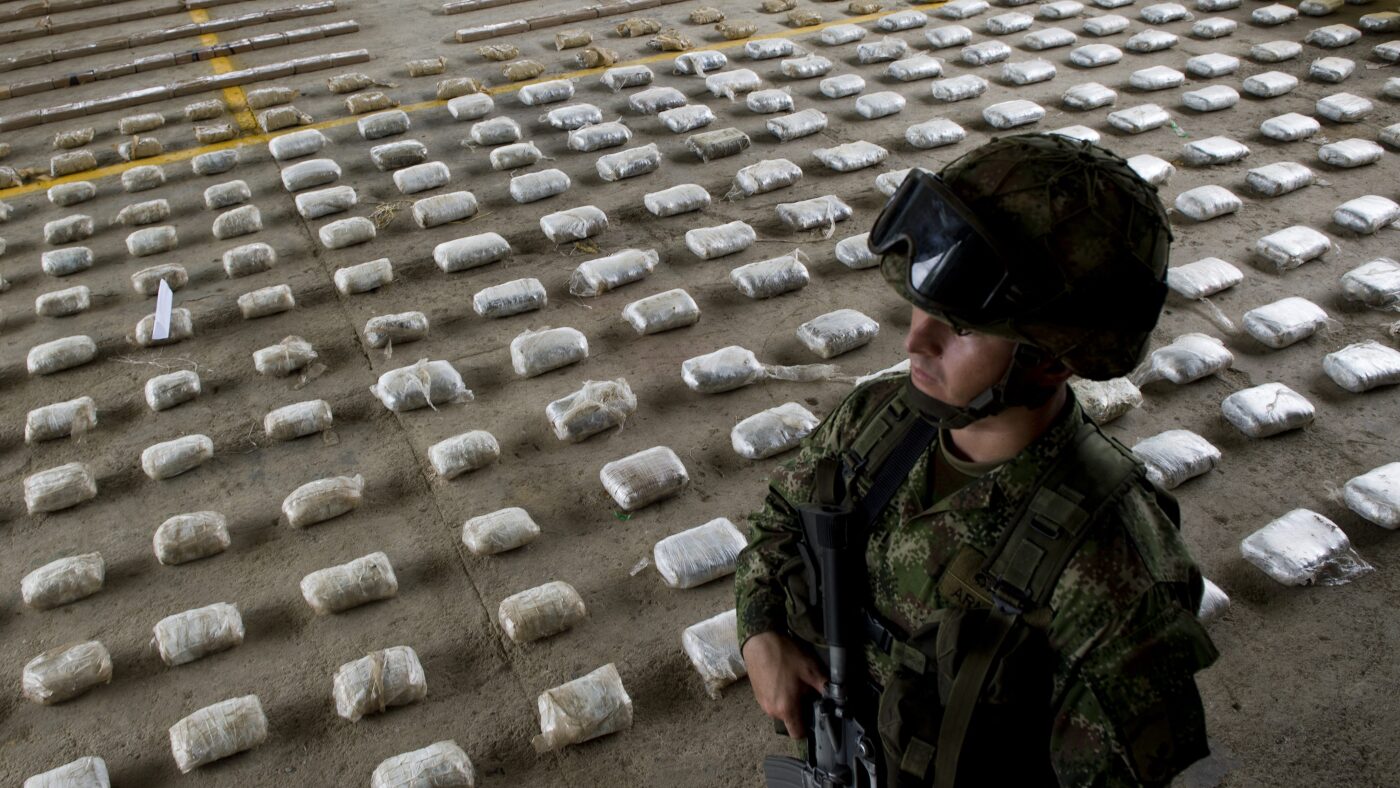
A recent traffic stop in Upland, California, resulted in a major drug bust. A police officer and his canine partner named Petey discovered 66 pounds of cocaine hidden in a car during a routine check. The Upland Police Department triumphantly shared this news on social media, highlighting both the successful seizure and a reward for the good boy, Petey.
But this incident is just the tip of the iceberg. Across the U.S., drug busts are on the rise, coinciding with a record surge in cocaine production. According to the United Nations Office on Drugs and Crime, global cocaine production has hit an all-time high, leading to increased seizures, users, and, sadly, overdose deaths.
What caused this spike? A recent study by economists Xinming Du, Benjamin Hansen, Shan Zhang, and Eric Zou sheds light on the situation. They suggest that the decline in cocaine popularity over the years was mainly due to strong anti-drug efforts in Colombia. From 2000 to 2013, the country saw a significant drop in coca cultivation, reducing available cocaine in the U.S.
However, policy changes around 2015 created a “perfect storm” for coca’s resurgence. The Colombian government halted a U.S.-backed aerial fumigation program due to health concerns about glyphosate, a chemical used for eradication. In addition, a peace deal with FARC, a guerrilla group involved in drug trafficking, led to a power vacuum. Various armed groups took advantage, encouraging local farmers to grow more coca.
The absence of effective crop substitution programs further exacerbated the problem. Instead of reducing coca farming, farmers recognized they needed coca plants to qualify for government aid. This resulted in expanded coca plots and skyrocketing production.
By 2022, coca cultivation and potential cocaine output in Colombia tripled from 2015 levels. Much of this cocaine made its way to the U.S. Following 2015, enforcement data indicated a sharp increase in the average size of cocaine seizures, while seizures of other drugs remained stable.
Ben Hansen points out a crucial aspect: cocaine is an “experience good.” This means that once users try it, they often want more. The current supply surge has made cocaine more available and affordable, resulting in increased demand. Sadly, this has led to a spike in overdose deaths. Estimates suggest that if cocaine production had not exploded post-2015, around 1,500 fewer overdose deaths would have occurred annually in the U.S.
In 2023, approximately 30,000 overdose deaths involved cocaine, comprising 28% of total overdose fatalities. Although this is significantly lower than deaths resulting from synthetic opioids like fentanyl, it still highlights a growing concern.
The surge in cocaine production doesn’t just impact the U.S. It has also had dire consequences in Colombia and neighboring countries. A study connected the cocaine boom with rising homicide rates—about one-third higher in Colombia, particularly in coastal areas used for drug transport. Ecuador, as a transit hub, experienced a nearly five-fold increase in homicides due to escalating violence tied to the cocaine trade.
Policymakers are taking notice. The surge in Colombian cocaine has affected U.S.-Colombia relations significantly. When Presidents Trump and Petro met recently, the fight against cocaine trafficking was a major topic on the agenda.
Experts like Hansen stress that effective supply-side interventions are crucial for tackling cocaine use, suggesting that measures restricting production can significantly reduce trafficking. By addressing the root causes, similar to regulating corporate practices, it’s possible to make it harder for drug traffickers to operate successfully.
Source link
