
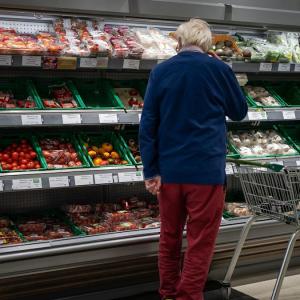
UK inflation has dropped to its lowest level since March last year, thanks to falling petrol prices and slower food price hikes. The latest report shows the Consumer Prices Index (CPI) inflation rate declined to 3% in January, down from 3.4% in December, according to the Office for National Statistics (ONS). This aligns with economists’ expectations and marks a welcome return to a downward trend after a recent uptick.
A significant factor in this drop was the decrease in petrol prices. Between December 2025 and January 2026, the average price fell by 3.1 pence per liter, now averaging at 133.2 pence. This reduction was echoed in diesel prices, which also dropped by 3.2 pence per liter.
ONS Chief Economist Grant Fitzner noted that lower airfares and food prices contributed to the easing inflation. For instance, the cost of bread, cereals, and meat decreased, helping push overall food inflation down from 4.5% in December to 3.6% in January. Despite these declines, there was a slight rise in the costs of hotel stays, which climbed to 1.1%.
This overall easing of inflation is a relief for Chancellor Rachel Reeves, especially with efforts by the Bank of England targeting a return to a 2% inflation rate. Economists are optimistic that inflation could reach this target by April, and there’s growing speculation that interest rates may be lowered soon. Thomas Pugh, Chief Economist at RSM UK, suggests that this inflation drop boosts chances for a rate cut next month, making summer cuts more likely.
While these numbers bring some hope, they come amidst ongoing debates around economic management. Chancellor Reeves emphasized that reducing living costs is a priority, citing measures like £150 off energy bills and a freeze on rail fares for the first time in 30 years. In contrast, critics argue that inflation remains above target due to governmental choices, impacting families.
Social media trends show a mix of hope and skepticism among the public regarding these economic changes. Many are optimistic about the potential for lower interest rates but remain cautious, given the ongoing cost-of-living crisis.
In summary, while the recent decline in inflation is promising, public sentiment remains wary. The economic landscape is continually evolving, making it essential for both policymakers and citizens to stay informed. To read more about ongoing economic developments, you can visit the ONS website.
Source link
Office for National Statistics, petrol prices, Consumer Prices Index, UK inflation, ONS, previous month
