
Some top defense lawyers are noticing strange trends in how the U.S. Department of Justice (DOJ) has been operating lately. They’re concerned and have created a new tool called the Case Tracker to monitor unusual criminal cases. This initiative aims to highlight cases that may involve irregular charging practices, including potential political motivations against President Trump’s opponents.
Steven Salky, a lawyer from Washington, D.C., is managing this project. He emphasized, “We created the Case Tracker because you cannot defend against an enemy you cannot see.” The goal is to bring attention to unusual prosecutions over the next few years.
The Case Tracker includes notable cases like that of Sean Charles Dunn, who faced charges for throwing a sub sandwich at an immigration officer, and Jacob Samuel Winkler, a homeless man who allegedly aimed a laser pointer at the Marine One helicopter. Both men were acquitted by juries in Washington, D.C.
This tracking system, backed by the National Association of Criminal Defense Lawyers (NACDL), goes beyond individual cases. It scrutinizes charges connected to resisting federal law enforcement, especially when videos contradict those charges.
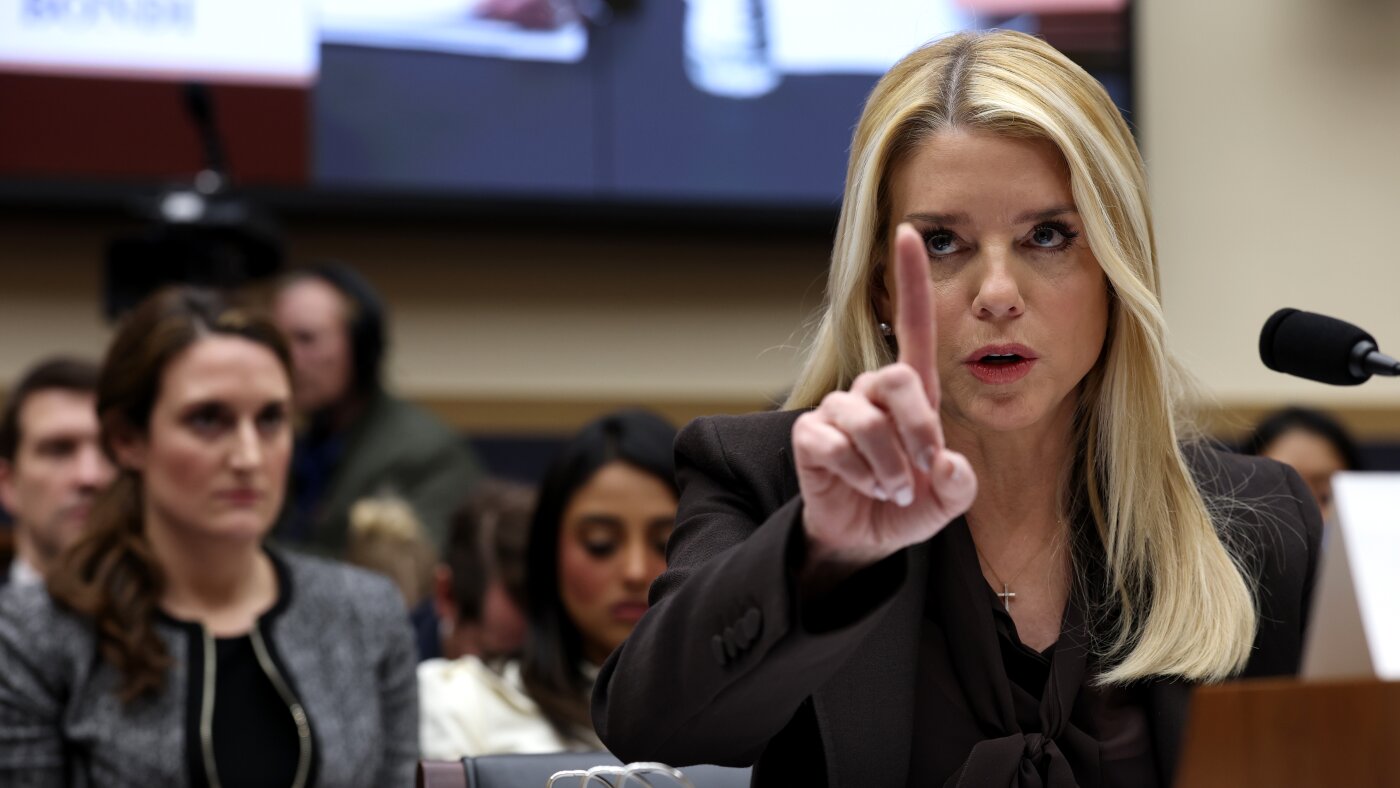
Attorney General Pam Bondi recently defended the DOJ’s actions during a House Judiciary Committee testimony. She stated, “I came into office aiming to refocus the Department on its core mission after years of political weaponization.” She insisted that the department is committed to fighting violent crime and upholding the law.
Despite Bondi’s reassurances, there’s increasing skepticism from judges and juries about the DOJ’s practices. Many courts have raised concerns about whether the executive branch is following through on court orders, especially regarding immigration issues. This trend may mean that federal prosecutors could have a harder time securing convictions than before.
Recent trends show that grand juries nationwide are less willing to issue indictments, which were usually seen as routine. This shift could signal a growing caution among jurors regarding the DOJ’s credibility.
The Case Tracker offers tools such as an interactive map to explore these issues across states. Users can search for specific laws and access important legal documents. According to NACDL Executive Director Lisa Wayne, “This tracker is essential for a time when federal overreach has become standard practice.”
In a time of heightened scrutiny, it will be interesting to see how public opinion shifts regarding these cases and whether the tracker influences future prosecutions. For deeper insights into the evolving legal landscape, you can follow resources such as the NACDL and their initiatives.
