
Climate change can feel overwhelming, but small actions from individuals can actually make a big difference. If enough people change a few daily habits, the impact on the environment could be significant.
The Associated Press recently explored how simple changes in four areas—food, transportation, home energy, and clothing—could reduce carbon emissions. They gathered data to see what would happen if just 10% of Americans altered their choices.
Food: Choosing Chicken Over Beef
Beef has one of the heaviest carbon footprints among food items. Cattle produce methane, a potent greenhouse gas, and require extensive land and resources. In contrast, chicken has a lighter impact. The American Heart Association suggests limiting meat serving sizes to 3 ounces (about 85 grams). Swapping one beef meal for chicken weekly could cut around 10 pounds of CO₂ per person per year.
In 2023, about 74% of Americans reported eating beef weekly. If 1 in 10 made that simple switch, emissions could drop by 13 billion pounds annually—equivalent to taking nearly 1.3 million gasoline cars off the road.
Dave Gustafson from the Agriculture & Food Systems Institute emphasizes that choosing beef less often is one of the biggest ways individuals can reduce their carbon footprints.
Transportation: Moving From Gas Cars to Electric Vehicles
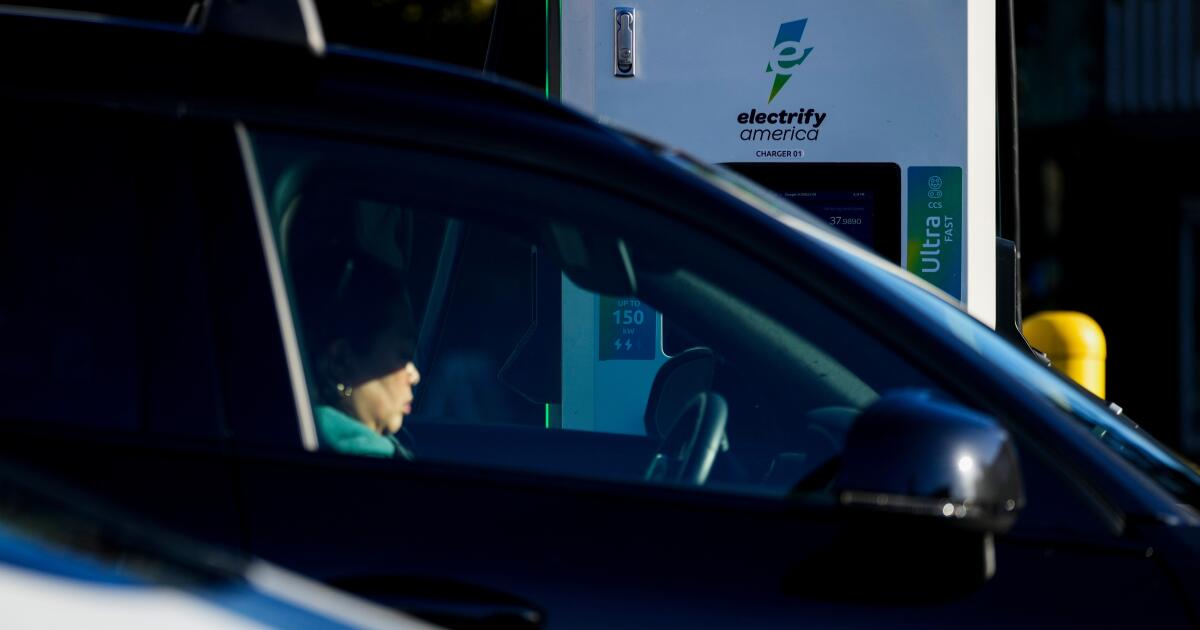
Transportation is a major source of greenhouse gas emissions in the U.S., making up about 28% of the total. The average American drives around 11,500 miles a year, with gas cars emitting 400 grams of CO₂ per mile. Switching to an electric vehicle could reduce that to just 110 grams per mile, saving approximately 7,400 pounds of CO₂ annually per driver.
If 10% of licensed drivers—around 23.77 million people—made the switch, we could see a cut of 175 billion pounds of CO₂ each year. Dillon Fitch-Polse from UC Davis highlights how collective small changes can lead to massive benefits.
Energy: Heating Homes Differently
Approximately 60 million U.S. homes rely on natural gas for heating. By switching to electric heat pumps, households can significantly lower their carbon emissions—by about 1,830 pounds of CO₂ per year.
If just 10% of these homes converted, it would prevent around 11 billion pounds of CO₂ from entering the atmosphere. Leah Stokes from UC Santa Barbara notes that many people don’t realize how much fossil fuel use occurs in their own homes.
Fashion: Choosing Secondhand Over New
The fashion industry significantly impacts the environment as well. For example, making a single pair of jeans can generate over 44 pounds of CO₂. If 34.2 million individuals opted for secondhand jeans instead of new ones this year, we could avoid 1.5 billion pounds of CO₂ emissions, similar to what 150,000 cars produce.
Constance Ulasewicz from San Francisco State University suggests that repairing clothes and shopping secondhand can make a real difference.
These actions, while small individually, illustrate how collective efforts can lead to substantial emissions reductions. It may not solve climate change overnight, but if millions align their habits, the positive outcomes could be remarkable.
For more detailed insights, you can refer to the full report by the Associated Press-NORC Center for Public Affairs Research.
