
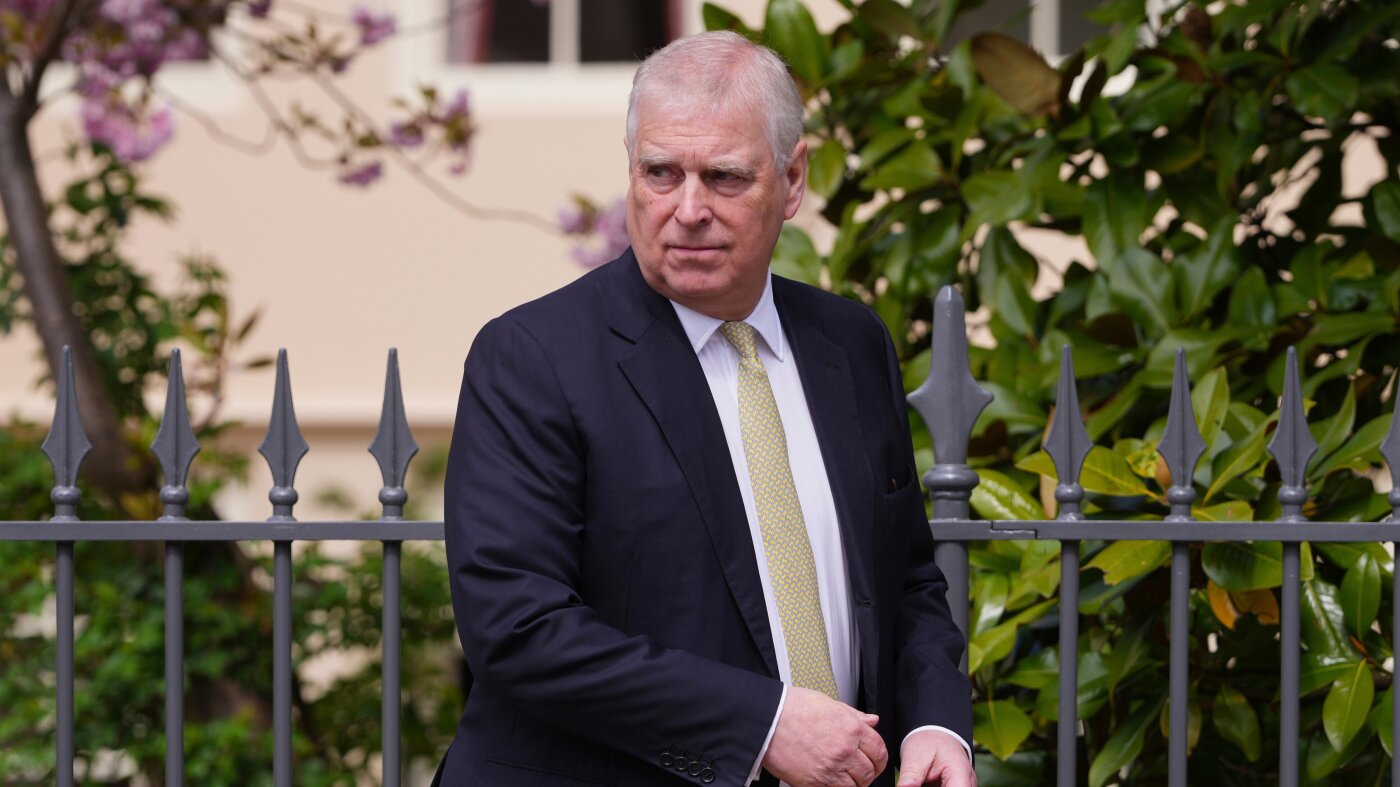
U.K. police recently arrested a man in his 60s suspected of “misconduct in public office.” Reports suggest that this individual is Andrew Mountbatten-Windsor, formerly known as Prince Andrew.
The arrest occurred on the morning of his 66th birthday at the royal Sandringham Estate in Norfolk. This development comes as police are looking into claims that Mountbatten-Windsor sent sensitive trade reports to Jeffrey Epstein during his tenure as the U.K.’s envoy for international trade. Epstein, a convicted sex offender, had a well-documented history of legal issues, which has cast a shadow over many associated with him.
In a statement, Thames Valley Police confirmed that they are conducting searches at locations in Berkshire and Norfolk related to this investigation. Assistant Chief Constable Oliver Wright emphasized the importance of maintaining the integrity of the inquiry, acknowledging the high public interest it has generated.
Historically, this isn’t the first time Mountbatten-Windsor has faced scrutiny. He stepped back from royal duties amid widespread criticism over his connections with Epstein. Last year, he settled a lawsuit with one of Epstein’s underage victims without admitting any wrongdoing, which has kept public attention on his past actions.
Since the news of his arrest, social media reactions have been mixed. Many users express outrage, while others are curious about what this means for the current British monarchy. A recent poll indicates that over 60% of U.K. citizens believe the royal family should address issues of accountability more transparently (source: YouGov).
In examining these events, it’s clear that the impact of the Epstein scandal continues to ripple through society. Experts suggest that this reflects a broader demand for accountability amongst public figures, especially those in positions of power.
As the investigation unfolds, many are left wondering about its implications for the future of the British monarchy and how it handles its past associations.
Source link
