
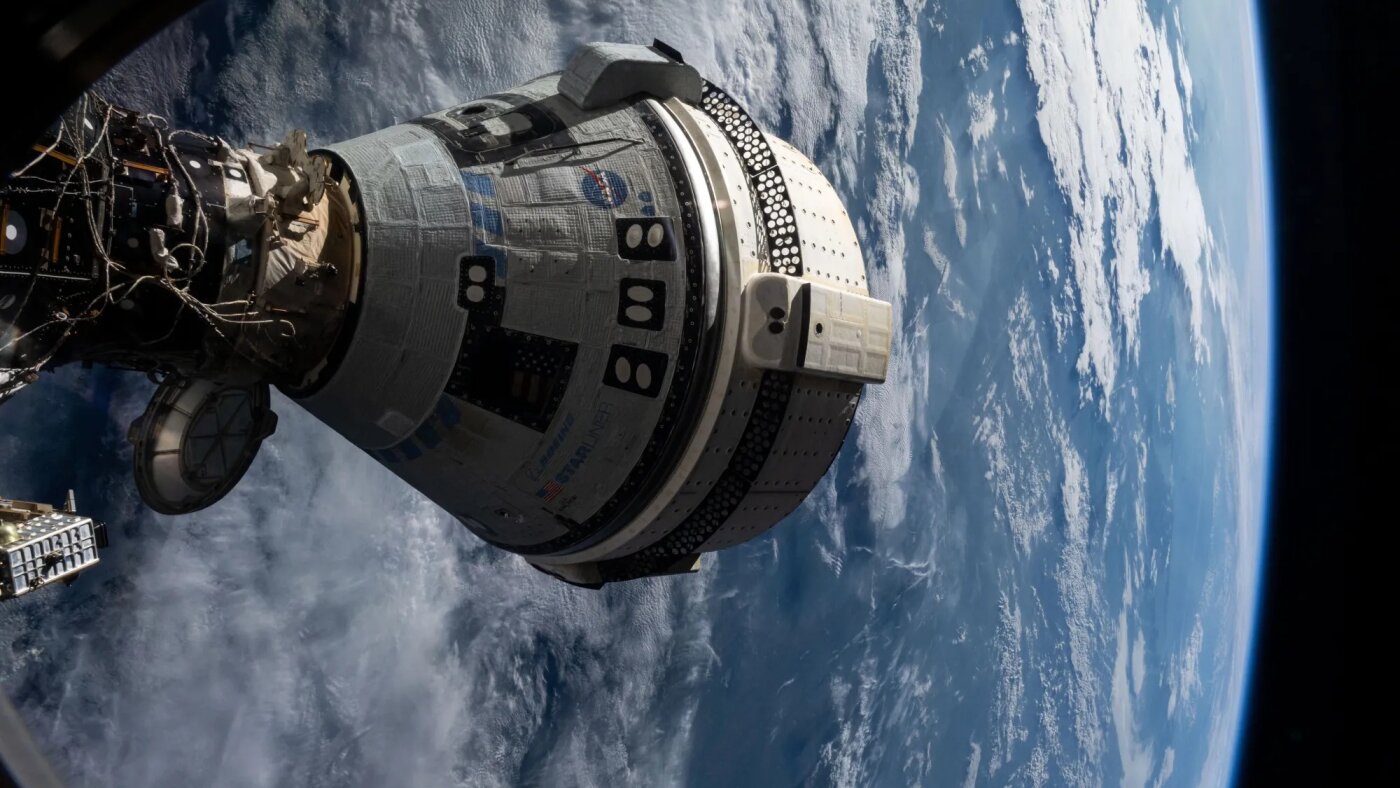
NASA’s Starliner spacecraft aimed to transport astronauts to the International Space Station, but its recent test flight hit major snags. NASA Administrator Jared Isaacman pointed fingers at both Boeing and his agency for mishandling the mission.
A detailed 311-page report outlines the mishaps of Starliner’s first crewed flight, which took off in June 2024 with astronauts Butch Wilmore and Suni Williams. While the launch from Cape Canaveral seemed successful, they faced serious thruster failures that compromised their ability to dock with the station.
Ultimately, NASA and Boeing made the tough call to return Starliner to Earth without the astronauts. Instead, Wilmore and Williams remained on the ISS and returned home about nine months later via SpaceX’s Crew Dragon.
Isaacman classified the failure as a “Type A Mishap,” a grave category that also includes the tragic Space Shuttle Challenger and Columbia disasters. Fortunately, despite the issues, the safety of the astronauts was maintained throughout the mission.
The report identified thruster failures as a primary concern. However, the investigation revealed deeper organizational problems within both Boeing and NASA. Isaacman stressed that the bigger issue wasn’t just hardware; it was ineffective decision-making and leadership. “If left unchecked, this could create a culture incompatible with human spaceflight,” he warned.
The report reflects an erosion of trust between the two organizations and highlights leadership that has been “overly risk-tolerant.” Isaacman cited over 30 launch attempts leading to “decision fatigue” and emphasized the need for accountability among leaders.
Don Platt, from the Florida Institute of Technology, noted that organizational issues can often take precedence over technical ones in complex programs like this. “Such transparency might signal a new approach for NASA’s administration,” he added.
Despite the setbacks, NASA remains committed to flying the Starliner. With plans to decommission the ISS by the end of the decade, NASA’s reliance on both Boeing and SpaceX for astronaut transport could shape future missions. The report includes 61 recommendations aimed at rectifying the issues before the next crewed flight.
Boeing expressed gratitude for the chance to be part of the investigation and highlighted a commitment to preparing for future missions.
In summary, while the Starliner mission faced significant obstacles, the focus now shifts to improving organizational dynamics and technical reliability in hopes of ensuring safe future endeavors in space exploration.
