
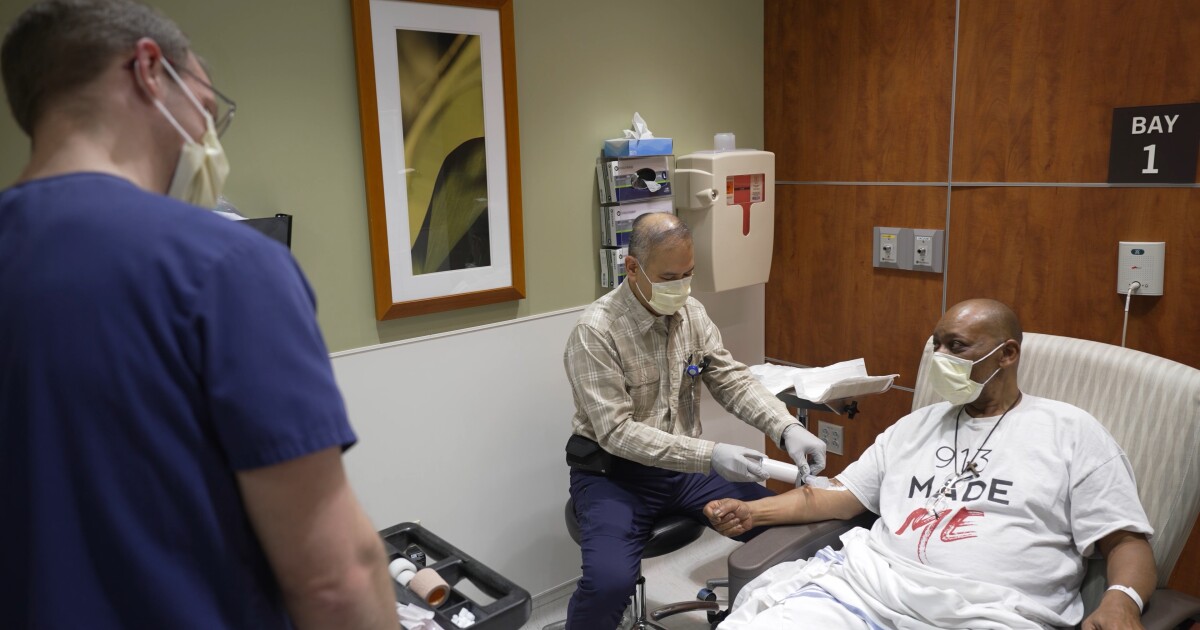
When John Corbin learned he had Stage 4 prostate cancer, doctors gave him only five years to live. Fast forward a decade, and John is thriving, living what he calls his “extra credit” life. He enjoys gardening, cooking, and, most importantly, he has his cancer under control thanks to a treatment called Pluvicto, a specialized medicine from the University of Kansas Health System.
John playfully refers to it as “super juice” because it has made such a difference for him. Pluvicto is a type of theranostic, which means it combines therapy and diagnostics. It directs radiation to cancer cells while sparing healthy tissue, similar to a precision-guided missile.
Now, there’s exciting news for Kansas City. The University of Kansas Health System, along with BAMF Health, will team up to expand access to theranostics. This partnership aims to enhance research, speed up diagnoses, and introduce new treatments for various conditions, including cancer and neurological issues.
Children’s Mercy President Alejandro Quiroga said this approach will catch diseases earlier and treat them more effectively. “Patients who might not have had these options will gain access to emerging therapies,” he said, highlighting the importance of this collaboration.
Theranostics primarily targets cancer currently but is also being explored for thyroid conditions and neurological diseases. BAMF Health CEO Anthony Chang emphasized its potential. “We can pinpoint cancer earlier and treat it efficiently, reducing harsh side effects,” he noted.
This new center will focus on producing radiopharmaceuticals, molecular imaging, and clinical trials in one location. Importantly, it will mean increased access for both children and adults seeking treatment.
Brenda Gregg from the Alzheimer’s Association expressed hope for future advancements. “Early diagnosis is essential; it allows access to treatments that can slow down the disease’s progression,” she explained, underscoring how vital this collaboration can be for patients with Alzheimer’s.
As healthcare evolves, the move toward theranostics could redefine how we approach treatment, opening doors to earlier detection and targeted therapies for a range of diseases. This exciting development not only brings hope to patients like John Corbin but also represents a significant leap forward in medical science.
For more information on theranostics and its applications, visit Cancer.gov.
