
CARACAS, Venezuela — Venezuela’s acting president recently signed a new amnesty law. This law may lead to the release of many political prisoners, including politicians, activists, and journalists. For years, the government denied holding any political prisoners. This law marks a significant change in their stance.
Acting President Delcy Rodríguez, who proposed the bill, stated it reflects a move towards more tolerance in Venezuelan politics. This decision follows last month’s surprising U.S. military event aimed at capturing then-President Nicolás Maduro.
The amnesty law is expected to benefit a range of individuals targeted by the government. Activists and human rights defenders have long demanded such measures. The bill aims to provide a general amnesty for crimes committed during politically related events since 1999. Notably, the aftermath of the 2024 election saw widespread protests and the detention of over 2,000 individuals.
With this law, people who left the country to avoid detention may now apply for amnesty through a lawyer. This change aims to accommodate those unable to return to Venezuela safely.
Critics, including the organization Foro Penal, which tracks political prisoners, express cautious optimism about the law. Though it’s a positive step, many are concerned about how the law will be implemented. Foro Penal estimates over 600 individuals remain imprisoned for political reasons. Just recently, the government announced plans to release more prisoners, but the pace has been slow. As of now, only 448 have been released.
The demand for general amnesty is a long-standing one from opposition groups. Opposition lawmaker Nora Bracho described the law as “not perfect, but a great step forward,” emphasizing its potential to ease the suffering of many families in Venezuela.
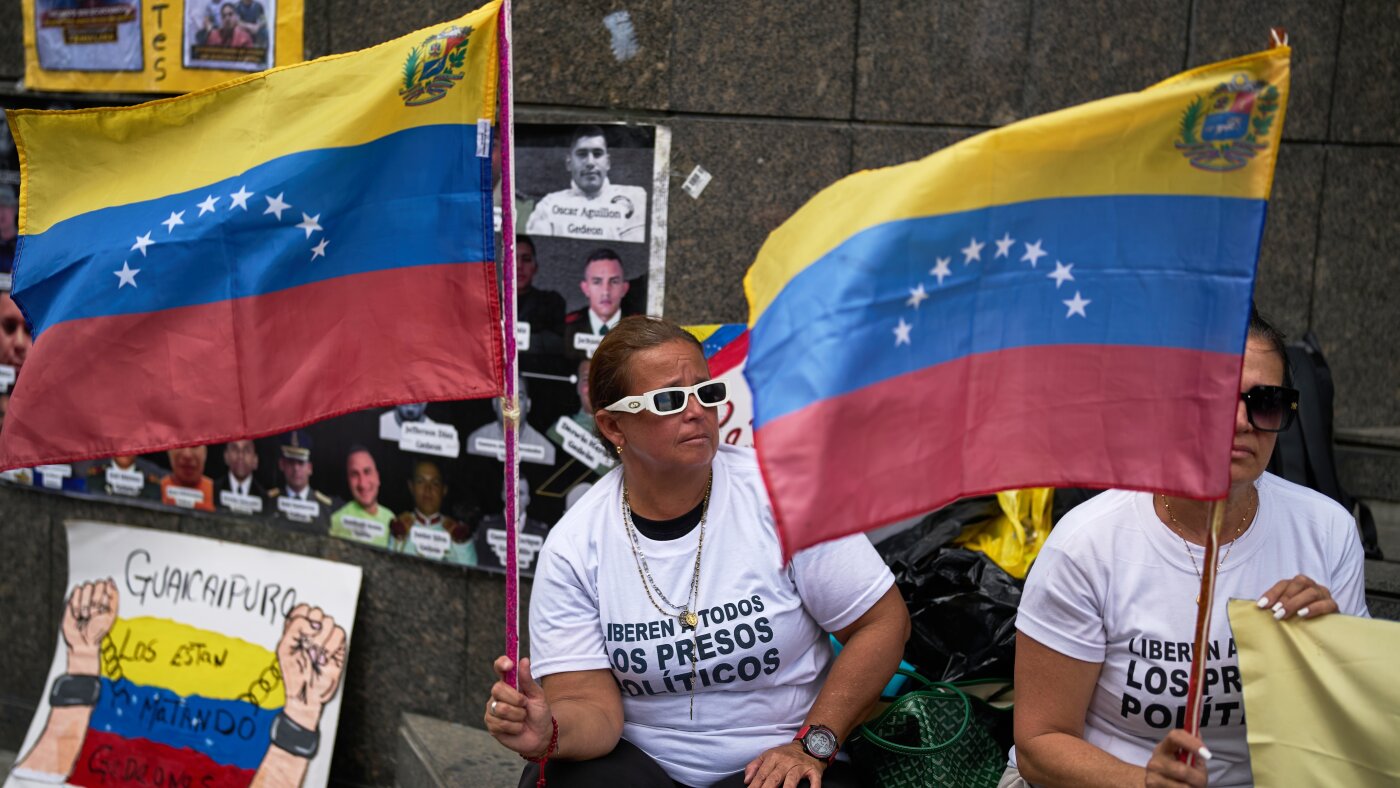
As news of the amnesty spread, families gathered outside detention centers, some even starting hunger strikes, waiting anxiously for updates about their loved ones. Public sentiment on social media reflects a mix of hope and skepticism, with many calling for quicker action on prisoner releases.
This recent decision indicates a potential shift in Venezuela’s political landscape. It remains to be seen how the government will follow through with these promises, but for many, even small steps toward justice and resolution are welcomed. For more on the implications of this policy, read insights from the Human Rights Watch at their official site.
